


Ther’s a quiet chemistry at work inside every fresh cannabis flower – a compound that wears the plant’s potential like an unread letter. That compound is THCA, the non-intoxicating precursor to the better-known THC, and for many newcomers it raises a lot of questions: what is it, how does it differ from THC, is it legal, and what should a first-timer actually no before exploring products that list it on the label?
This guide is a step-by-step orientation designed for readers who want clear, practical explanations without hype. We’ll unpack the science in plain language,map the legal and safety considerations that matter most,decode common product terms,and outline the kinds of questions to ask manufacturers,retailers,or healthcare professionals. the aim is to leave you informed – not persuaded – so you can make safe, legal, and thoughtful choices based on facts rather than marketing.If you’re new to cannabinoids, consider this your primer: a calm, curiosity-amiable introduction that prepares you to read labels, understand effects at a high level, and navigate the next steps responsibly.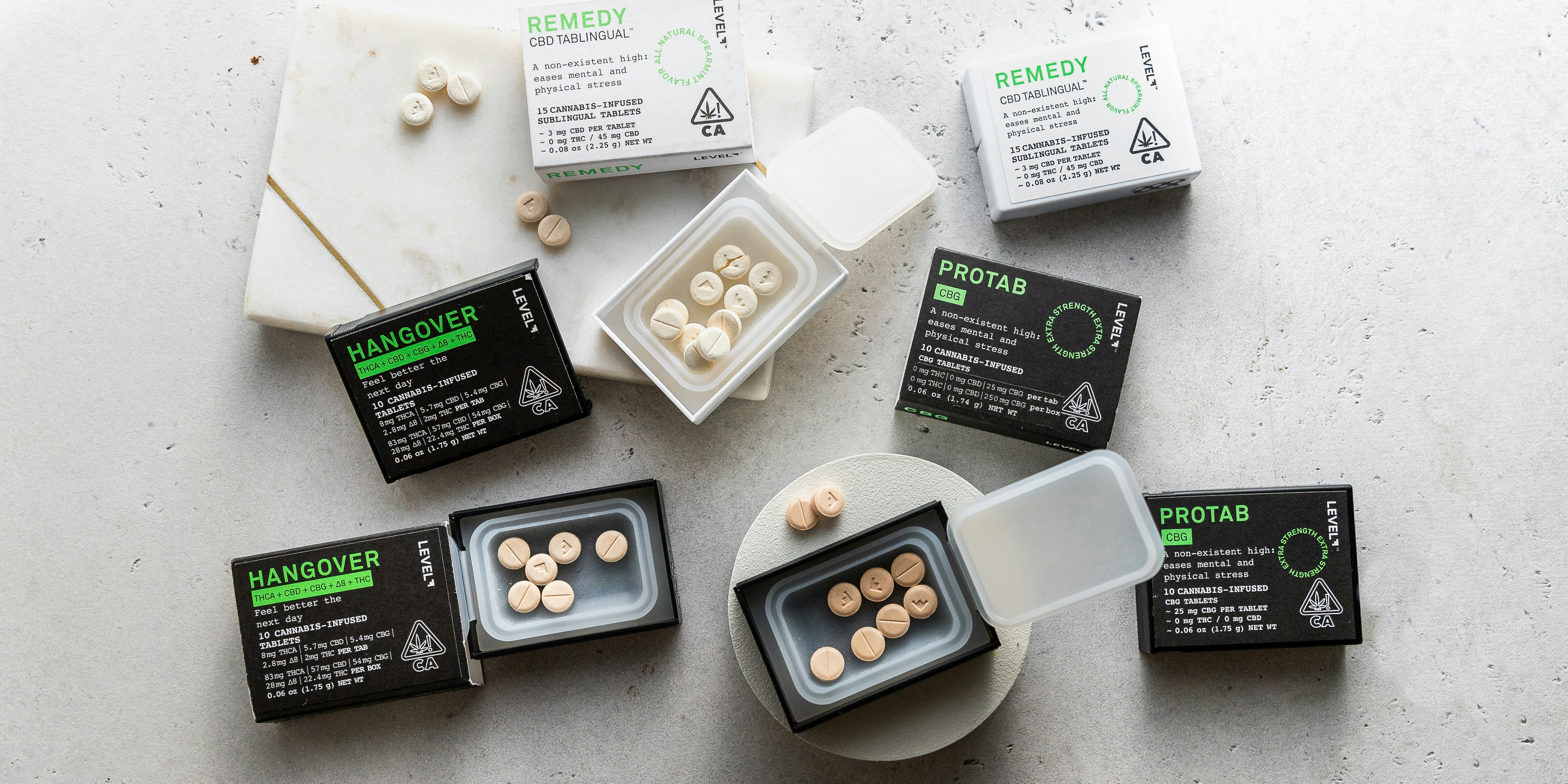
Understanding THCA: What it is, how it differs from THC and why it matters
In raw cannabis, the dominant cannabinoid ofen shows up as an acidic precursor-an unactivated molecule that sits quietly in trichomes until heat or time nudges it awake. THCA is that precursor: chemically related to THC but carrying an extra carboxyl group that changes how it behaves. Left cold and intact,it does not produce the classic psychoactive effects associated with heated cannabis; apply heat,and the process called decarboxylation converts THCA into THC,unlocking a very different experience.
Think of the two as molecular cousins with distinct personalities. Key differences include:
- Psychoactivity: THCA is non-intoxicating in its raw form; THC is the compound associated with a psychoactive “high.”
- Activation: THCA becomes THC through heat, light, or time; THC is the activated form consumers usually seek when smoking or vaporizing.
- Use cases: THCA appears in fresh plant material and some cold extracts; THC dominates in products that have been decarboxylated or cured.
| Compound | Psychoactive? | Typical source | How to change it |
|---|---|---|---|
| THCA | No (raw) | Fresh flowers, raw extracts | Heat/light/time → converts to THC |
| THC | Yes | Decarboxylated cannabis, smoked/vaped products | Already activated |
Why does this matter for a first-time explorer? Because knowing the difference helps you choose how you consume and what to expect. If you want to preserve the raw form,methods like cold-press juices or low-temperature tinctures keep THCA intact; if you’re aiming for the classic effects,decarboxylation through heat is required. practical considerations-storage, lab testing, and legality-also hinge on which molecule is present, so a little chemistry goes a long way when planning your first experience.

Sourcing and quality checks: Choosing safe THCA products and interpreting lab reports
Start with the source, not the packaging. Look for sellers who openly share where their hemp or cannabis was grown,how it was harvested,and which extraction method was used. Licensed dispensaries and well-known brands are easier to verify,but small craft producers can also be excellent if they publish clear batch IDs and Certificates of Analysis (COAs). Prioritize products labeled with harvest dates, extraction type (CO2, ethanol, solventless), and storage recommendations – these clues tell you whether the maker respects product integrity.
Quality checks are your best defense against surprises. Before buying, inspect for visible tampering, clear batch numbers, and child-resistant seals. Than confirm the presence of a recent third-party COA that lists potency and contaminant testing. Key contaminants to watch for include heavy metals,pesticides,residual solvents,and microbial growth. If a seller resists sharing lab data or provides only partial reports, treat that product with caution.
Reading a COA is easier than it looks. Scan the top for the testing lab’s name and accreditation, check that the sample date matches the product batch, and then read the potency section.Look for separate lines showing THCA and delta-9 THC (or “total THC” with the conversion formula explained). A terpene profile can hint at flavor and subtle effects, while contaminant panels show pass/fail results. Quick checklist:
- Lab accreditation: ISO or state-certified?
- Sample date and batch ID: Do they match the label?
- Cannabinoid breakdown: THCA, THC, CBD percentages
- Contaminant screens: Metals, pesticides, solvents, microbes
| COA Field | What to Expect | Red Flag |
|---|---|---|
| THCA % | Clear percentage, close to label claim | Missing or wildly different values |
| Residual Solvents | Non-detect or below limits | Detected levels above regulatory limits |
| Pesticide Panel | All tests passed | Any fail or “not tested” |
Trust your instincts: transparency, recent COAs, and consistent batch information are the hallmarks of safe products. When in doubt, ask for clarification or choose another option – safety beats curiosity.
In Retrospect
You’ve walked through the what, why, and how of trying THCA for the first time – from understanding its effects and forms to choosing a dose and creating a safe setting. Like any new experience, curiosity paired with caution will serve you best: start low, go slow, and take notes so you can learn what works for you.
Before you proceed, double-check the laws in your area and, if you have health concerns or take medications, consult a healthcare professional.Keep products clearly labeled and stored safely, and never drive or operate heavy machinery while under the influence.
If you feel ready, approach your first experience as an experiment rather than an event: set a modest expectation, bring a trusted friend if that makes you cozy, and give yourself time to observe and reflect. Armed with knowledge and care, you’ll be better positioned to make informed choices about whether and how THCA fits into your life.
Curiosity guided by caution will always be the most responsible path forward.

