


Stepping into the world of THCA for the first time can feel a bit like opening a map to a landscape that’s partly familiar and partly new. At a glance the signs resemble those of THC and other cannabis compounds,but THCA travels by different rules: in its raw form it doesn’t produce the familiar “high,” and it converts to THC only when heated. That nuance makes choosing a product less about chasing effects and more about understanding form, testing, and context.
This article will walk you through the essentials you need to choose with confidence. We’ll demystify labels and potency, compare consumption methods, highlight safety and legal considerations, and suggest practical steps for starting low and evaluating quality. The aim is practical clarity-so you can ask the right questions, weigh trade-offs, and make a decision that fits yoru goals and local rules without hype or guesswork.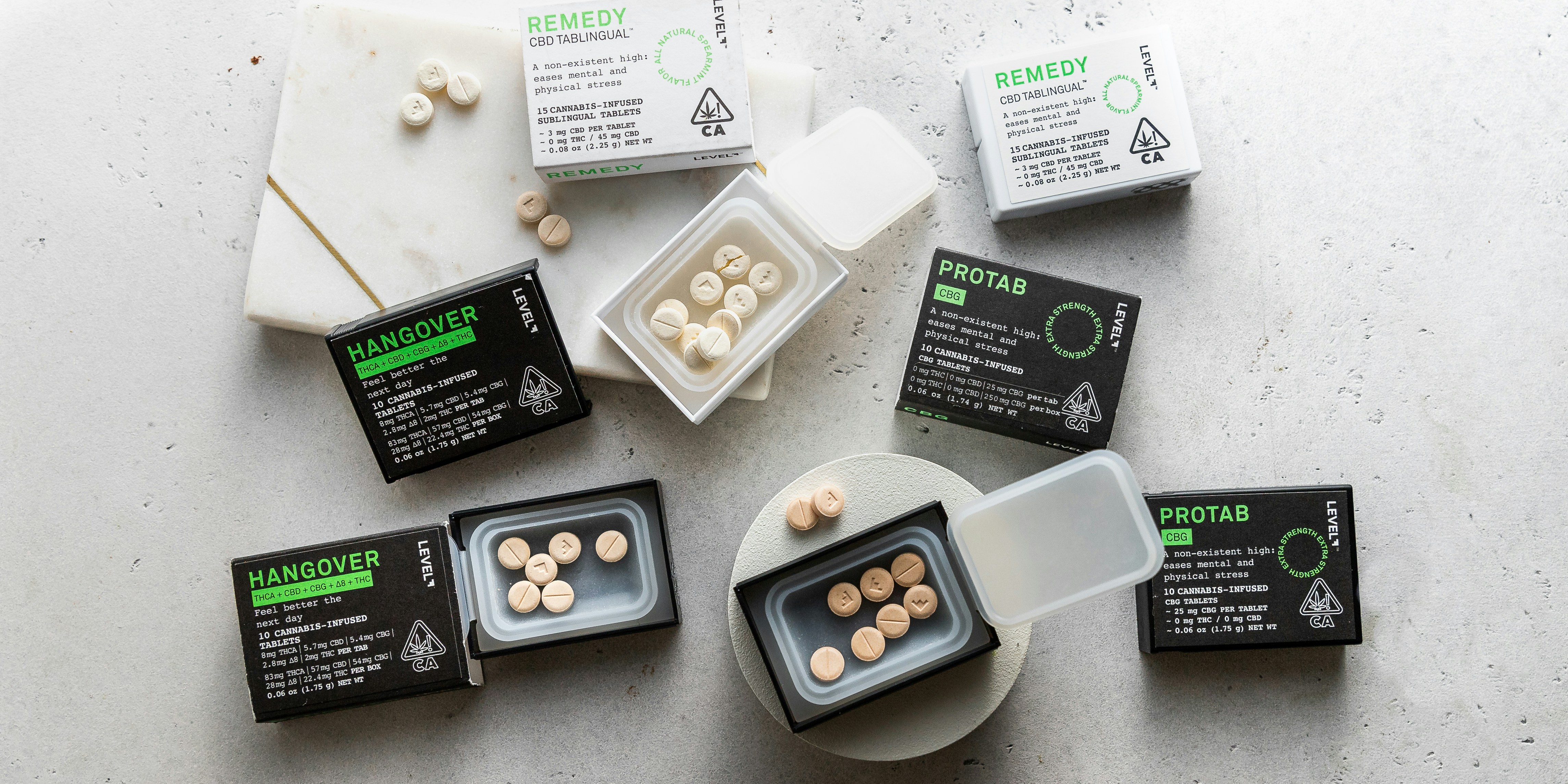
What Is THCA and How It Differs from THC
Found in the fresh flower and live resin of the cannabis plant,THCA is the acidic,non-intoxicating precursor to the familiar compound THC. At a molecular level it carries an extra carboxyl group (that “A” for acid matters), which changes how it interacts with the body’s receptors. In its raw state THCA won’t get you high, but it’s part of the same chemical family-so the experience and uses of each can feel closely related while remaining fundamentally different.
Heat or time remove that carboxyl group in a process called decarboxylation, transforming THCA into psychoactive THC. That means how you prepare and consume cannabis decides whether you’re using a mostly THCA product or a mostly THC product. Common approaches include:
- Preserve THCA: juicing raw flower, tinctures from fresh material, low-temp cold extractions.
- Create THC: smoking, vaping, baking (decarbed edibles) or any method applying sustained heat.
Users often seek THCA for its non-intoxicating profile and reported therapeutic potential-early studies and anecdotal reports mention anti‑inflammatory and neuroprotective properties, among others-while THC is chosen when psychoactive effects are desired. Safety and dosing differ: because THCA won’t produce a high, beginners focusing on symptom relief may prefer THCA-first approaches, but accurate labeling and lab testing remain essential for both compounds.
| Feature | THCA | THC |
|---|---|---|
| Psychoactivity | Non-intoxicating | Intoxicating |
| Common form | raw flower / live resin | Decarbed oil / smoke |
| Typical use | Wellness-focused, topical/juiced | Recreational & medicinal |

Choosing a Consumption Method Based on Desired Effects and Lifestyle
Think about the effect you want first – then match the method. When you want something immediate and easy to titrate, inhalation (vape, joint, dab) gives almost instant feedback and lets you stop when you hit the sweet spot. If you’re aiming for long‑lasting, full‑body relief or a slow, steady experience, edibles are the go‑to, but they demand patience and smaller starting doses. For discreet, controlled dosing that fits into a busy day, tinctures or sublinguals bridge the gap between speed and subtlety. Topicals are great when your goal is targeted relief without a systemic high.
Practical lifestyle choices matter as much as pharmacology. Consider your daily routine, social setting, and health priorities – lungs, work deadlines, or the need to remain discreet will steer your decision. Below are speedy matchups to help you align method with moment:
- Commuting or public days: low‑dose tinctures or discreet vape pens.
- Evening relaxation or sleep aid: slowly dosed edibles or a measured tincture.
- Social gatherings: shareable inhalation methods (vape or joint) if allowed and comfortable.
- Localized pain or inflammation: topical formulations paired with a light oral dose if systemic relief is needed.
Start low,go slow. Build tolerance into your plan: give inhalants 10-20 minutes to register, tinctures 15-45 minutes, and edibles up to 2 hours before adjusting. Keep a mental checklist-legal status, consent in social settings, not mixing with alcohol or sedatives, and having water and snacks handy-and consider combining methods deliberately (small inhalation plus a light topical) rather than stacking unknown doses. These small planning steps will help you choose a method that fits both the effect you want and the life you lead.
To Wrap It Up
You’ve navigated the basics, weighed the practical checks, and learned the questions that turn uncertainty into informed choice. Choosing THCA for the first time doesn’t require perfect knowledge-just a careful map: verify lab results, start low and slow, mind the legal landscape, and pay attention to how your body responds.
Think of your first experience as a short,well-planned walk rather than a long leap. Prepare your environment, bring trusted company if that helps, and keep records of dose and effects so future decisions are clearer. If you’re taking other medications or have health concerns,a quick conversation with a healthcare professional is a prudent part of that readiness.
Confidence comes from curiosity tempered by caution. With the right facts and small, deliberate steps, you can explore THCA in a way that respects both the substance and your own wellbeing. Proceed thoughtfully-and let careful choices guide your experience.

