


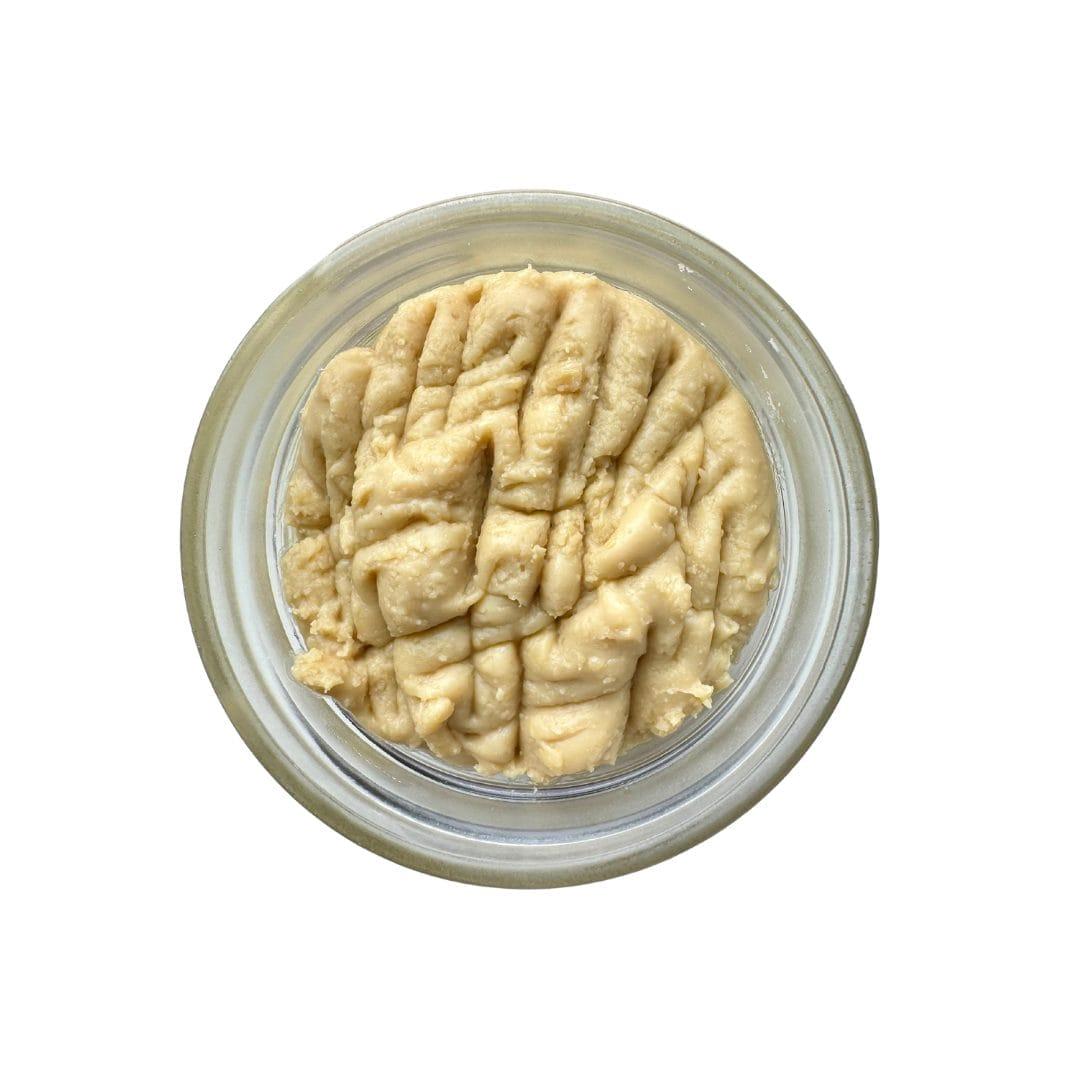
A cool breath of change is moving through the cannabis marketplace. THCa – the acidic precursor to THC that dominates manny fresh flower and concentrate profiles – has quietly become a unit of value for cultivators, processors, retailers and consumers alike.Tracking its price per gram offers a direct line into the sector’s supply dynamics, testing and processing costs, and shifting consumer demand.
This article uses a data-driven lens to examine why indicators now point toward a modest market dip ahead. Drawing on recent wholesale and retail price trends, inventory flows, regulatory signals and seasonal cycles, we map the forces that could weigh on thca pricing in the near term and outline the different scenarios that might unfold.
Whether you’re a grower hedging input costs, a processor planning production runs, or an investor watching margins, the coming fluctuations matter. Ahead we’ll unpack the key drivers, summarize the forecast methodology, and explore practical implications so readers can assess risk and prospect without getting lost in the noise.
Supply Dynamics and Cultivation Trends Pressuring Per Gram Prices
The market’s immediate reaction to swelling supply has been pragmatic rather than panicked: as more canopy comes online and extraction facilities ramp up throughput, THCa is shifting from a boutique commodity to a high-volume feedstock. Wholesale buyers are capitalizing on larger lot sizes and tighter testing turnarounds, and that scale-driven efficiency is translating into downward pressure on per gram prices. Regional imbalances – pockets of oversupply in established markets versus constrained newer markets – create short-lived arbitrage opportunities that further compress realized prices for many producers.
- Surplus from new licensed acreage: Rapid licensing and expanded grows are increasing available grams faster than demand growth.
- Extraction-led inventory: Converters producing bulk THCa isolates and distillates add to sellable volume.
- Wholesale channel compression: Big retailers and distributors push for volume discounts, resetting price benchmarks.
- Regulatory and testing bottlenecks: Faster lab pass rates and regulatory clarity can temporarily accelerate market supply.
Below is a quick snapshot of supply-side factors and the expected near-term tone for per gram pricing.
| Factor | near-term Price effect |
|---|---|
| Harvest surges | Downward pressure |
| Extraction capacity expansion | Price compression |
| Retail consolidation | Bargaining leverage |
| Regulatory easing | Temporary supply spike |
On the cultivation front, trends toward larger-scale operations, greenhouse adoption, and vertical integration meen more predictable, cost-efficient output - which is great for margins at scale but not for price floors. Consolidation among producers and tighter contract terms from major buyers are shifting negotiating power downstream, and creative product differentiation is becoming the main defense against commoditization. Watch for rising inventory-to-sales ratios and expanded lot offerings from wholesalers as the clearest indicators that per gram prices are likely to continue drifting downward in the near horizon.
Quantitative Scenarios and Price Path Projections for THCa per Gram
Model outputs converge around a clear short-term softening: probabilistic runs indicate a mean decline of roughly 10-15% within the first month, followed by a partial recovery toward the middle of the year under our baseline assumptions. We built a multi-path model combining historic volatility, production cycle timing, and policy shock probabilities; the result is not a single line but a cloud of plausible price paths, with the densest cluster centered on modest downward pressure before stabilization.
- Bear (25%): oversupply + regulatory delays produce deeper cuts; rapid downward momentum and price finding push levels toward the lower tail.
- Baseline (50%): seasonal inventory correction and steady demand lead to a temporary dip, then gradual normalization as processors adjust.
- Bull (25%): tighter supply and premium product rotation support a rebound and modest gains over 12 months.
| Scenario | 1‑Month (USD/g) | 3‑Month (USD/g) | 12‑Month (USD/g) | Model Weight |
|---|---|---|---|---|
| Bear | $5.50 | $4.75 | $3.90 | 25% |
| Baseline | $7.20 | $6.60 | $6.80 | 50% |
| Bull | $8.10 | $8.75 | $9.25 | 25% |
The ensemble highlights two practical takeaways: first, expect a transient dip rather than a structural collapse; second, volatility remains elevated so watch triggers – especially $5.00 and $9.00 per gram – as breakpoints that would shift probabilities materially. Keep monitoring supply indicators, licensing updates, and premium-extraction demand to update the path in real time.
Risk Controls and Pricing Tactics for Producers and Retailers
As margins tighten with the projected slide in per‑gram THCa values, stakeholders must shift from reactive discounting to disciplined protection. Smart operators treat price volatility like weather: you don’t stop the storm, you build shelters. That means establishing clear buffers-both financial and physical-so unexpected dips don’t force fire sales that erode brand equity. Margin corridors and rolling forecasts become the spine of any sensible strategy.
Practical defenses are simple to adopt but powerful in effect. Consider a toolkit that includes:
- Forward contracts to lock in costs or secure minimum sale prices.
- Inventory velocity rules that trigger tiered discounts only after holding-period thresholds.
- Promotional caps preventing compounding markdowns across channels.
- Price elasticity testing to identify segments that tolerate premium positioning even in a soft market.
These measures keep price moves purposeful rather than panicked, protecting both bottom lines and customer trust.
Retailers and producers should codify pricing playbooks that define when to protect margin and when to sacrifice it for market share. Use split testing for short-term offers, but enforce long‑term controls like minimum advertised price (MAP) and channel-specific bundles. Integrate real-time POS signals and wholesale fill rates into pricing engines so dynamic adjustments remain rule-based rather than emotional. Above all, prioritize clarity: teams should know which levers are approved and which require executive sign-off.
| Action | Risk Mitigated | Expected Impact |
|---|---|---|
| 3‑month forward purchase | Input cost surge | stabilizes COGS |
| Timed micro‑promos | Brand dilution | Drives trial, protects MSRP |
| Inventory velocity triggers | Stagnant stock | Improves cash flow |
Track outcomes with a concise KPI set - gross margin band, days inventory outstanding, and promotion ROI – so each tactic can be evaluated quickly and revised as the market evolves.
The Conclusion
As the charts settle and the short-term forecast points toward a dip, remember that numbers tell a story – not a verdict.Models, supply shifts, regulatory winds and shifting consumer demand have all conspired to nudge THCa price-per-gram lower in the near term; yet each of those same factors can change direction quickly. Treat the projection as a weather report rather than a mandate: useful for planning, imperfect by nature, and always subject to new data.
If you’re watching this market, keep an eye on the barometer of indicators – inventory levels, harvest cycles, policy updates and broader macro trends – and be prepared to adjust as conditions evolve. Forecasts illuminate risk, they do not eliminate it. With a clear-eyed view, steady information-gathering and a readiness to adapt, stakeholders can navigate the dip and be positioned for whatever clearing the market may bring.
