



A hush can fall over a crowded mind the way twilight softens a noisy city – sudden, subtle, and welcome. In the evolving landscape of botanical wellness, hemp-derived thca has begun to draw attention as one of those low-key agents: a little-known cannabinoid that hasn’t been warmed into the familiar psychoactive THC and is being explored for it’s potential to soothe anxious thoughts.Unlike delta-9 THC,thca is the raw,acidic precursor present in living hemp plants; it doesn’t produce a high unless it’s decarboxylated by heat.that chemical distinction has made THCa an intriguing subject for people seeking calming effects without intoxication, and for researchers trying to understand how different cannabinoids interact with the nervous system. Early laboratory findings,regulated-product reports,and user anecdotes hint at anxiety-relieving properties,but the picture remains incomplete and sometimes contradictory.
This article will look beyond the headlines to separate promise from hype: we’ll explain what THCa is, summarize existing evidence about its calming effects, outline safety and legal considerations, and suggest questions consumers and clinicians should ask before trying it. The aim is to provide a clear, measured overview so readers can weigh whether hemp-derived THCa might be a gentle companion on their search for anxiety relief – not a cure-all, but a subject worth investigating.
From Plant to Calm Understanding Hemp Derived THCa and its Place Among Cannabinoids
Inside the hemp plant, a quiet chemistry unfolds: enzymes sculpt acidic cannabinoids that carry the raw plant’s potential. One of these is THCa, the acidic precursor that remains abundant in fresh, unheated hemp.Unlike its converted cousin that can alter consciousness, this molecule is largely non-intoxicating in its natural form. Harvesting and gentle, cold extraction preserve these delicate molecules, keeping the product true to the plant’s original profile – a leafy, botanical calm rather than a psychoactive shift.
Where does THCa sit in the cannabinoid chorus? It’s a subtle player – not the loud CB1 agonist some expect, but a modulatory presence that appears to work through multiple pathways, including ion channels and enzyme interactions. Early research and anecdotal reports suggest it may contribute to a sense of balance, especially when paired with other hemp compounds. This is the essence of the entourage effect: small,synergistic interactions that can tilt the experience toward relaxation without creating a high.
For those curious about practical use,product form and preparation matter. To maintain THCa’s original character, look for cold-processed tinctures, raw flower options, or topical formulations that avoid heat. be mindful of legal limits and lab certificates that show delta-9 levels under the legal threshold. Simple guidelines to consider:
- Check COAs – confirm cannabinoid profiles and contaminants.
- Avoid heat if you want THCa specifically (no smoking or vaping raw flower).
- Start low and observe – subtle effects can build over time.
| Feature | THCa | THC | CBD |
|---|---|---|---|
| Intoxication | Minimal/none | Yes | None |
| Typical use | Cold extracts, raw | Heated consumption | Oils, edibles, topicals |
| role | Modulator | Primary psychoactive | Widely relaxing |
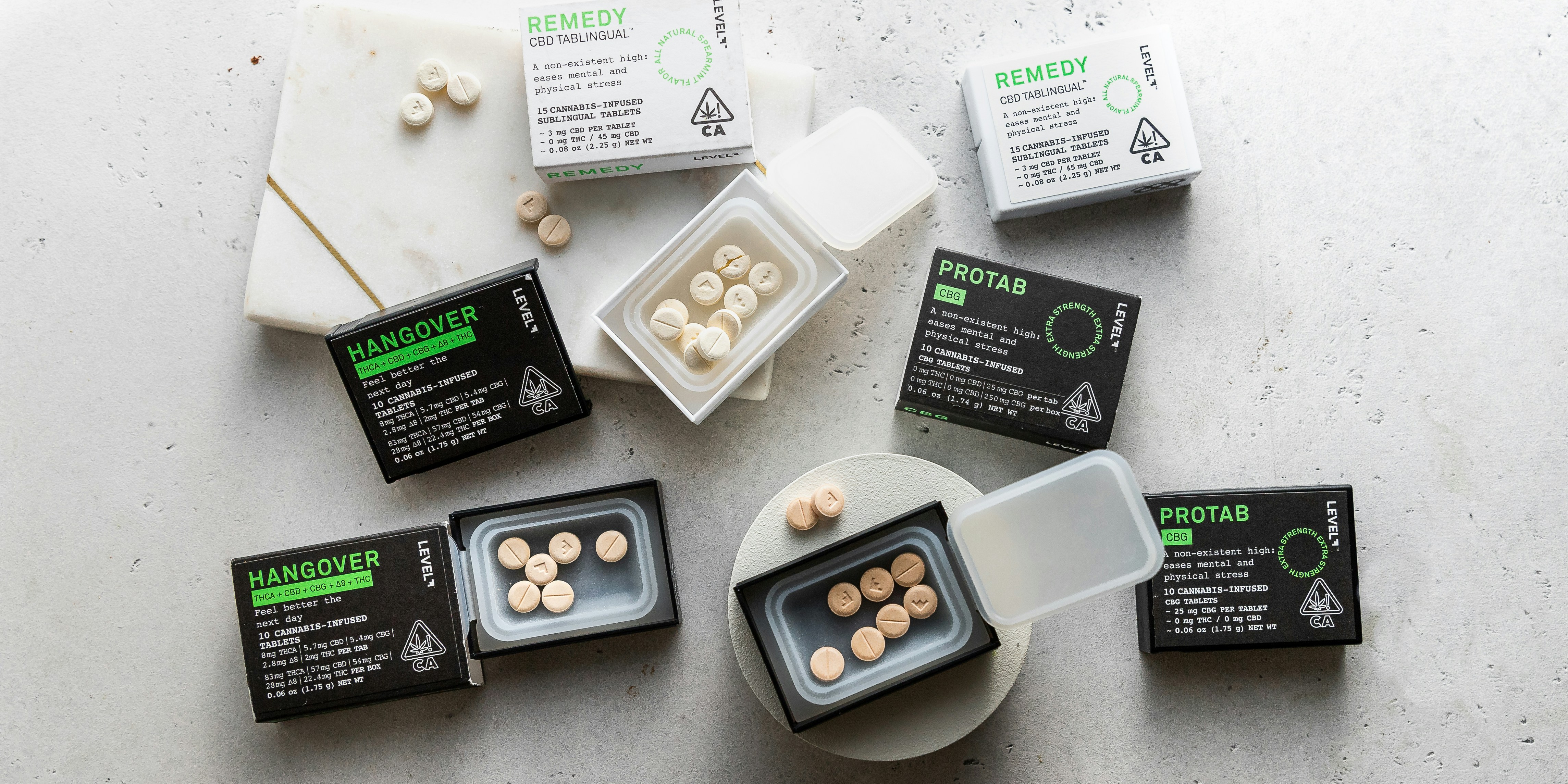
How THCa May Work in the Brain Proposed Mechanisms Behind Anxiety Relief
THCa arrives at the conversation about anxiety as the non-psychotropic precursor to THC,and its actions in the brain are thought to be subtle and multifaceted. Rather than acting like THC’s strong CB1 agonism, THCa appears to engage a variety of molecular targets-some directly, some indirectly-that could dampen hyperarousal and promote neural balance.Preclinical work points to biochemical effects (enzyme inhibition,ion channel modulation) and neuromodulatory shifts (altered endocannabinoid tone,interactions with serotonergic and transient receptor potential systems) that together could explain calming signals at the circuit level.
Key proposed pathways include:
- Endocannabinoid tone – THCa may influence enzymes such as FAAH or interact allosterically with cannabinoid receptors, indirectly raising anandamide levels and promoting homeostatic signaling.
- Serotonergic modulation – Some cannabinoid acids show affinity for serotonin receptors (e.g., 5-HT1A), a known target for anxiolysis; THCa could subtly bias serotonin pathways toward reduced anxiety.
- TRP channel engagement – Interaction with TRPV1/2 channels can alter calcium flux and neuronal excitability, possibly reducing stress-related hyperactivity in limbic circuits.
- Anti-inflammatory and neuroprotective effects – By inhibiting COX enzymes and inflammatory mediators, THCa may protect neural tissue from stress-induced inflammation that worsens anxiety.
| Mechanism | How it might relieve anxiety | Evidence level |
|---|---|---|
| Endocannabinoid modulation | Boosts calming lipid signals (e.g., anandamide) | Preclinical / in vitro |
| 5-HT1A interactions | May reduce anxiety-related signaling | Limited / theoretical |
| TRP channel effects | Modulates neuronal excitability | Preclinical |
| Anti-inflammatory action | Reduces neuroinflammation linked to anxiety | Animal / biochemical |
These mechanisms are not mutually exclusive; the most likely scenario is an interplay of modest receptor modulation, enzyme inhibition, and anti-inflammatory signaling that together tilt brain networks away from hypervigilance. Bioavailability, delivery method (raw vs. heated), and individual endocannabinoid baseline all shape whether THCa reaches neural targets effectively. Importantly, the current body of work is exploratory-promising mechanistic threads exist, but clinical confirmation is still needed to clarify how, when, and for whom these calming pathways translate into meaningful anxiety relief.

Practical Dosing and Administration Recommendations for safe and Effective Use
Think of dosing as a conversation between your body and the plant: listen closely, speak slowly. A conservative approach-start low and go slow-helps you find the smallest effective amount that calms without unwanted effects. remember that THCa is non-intoxicating in its raw form; heat converts it to THC (decarboxylation), so methods involving combustion or vaping can produce psychoactive results. Choose your administration method based on desired onset and control rather than convenience alone.
| Form | Typical onset | Typical starting dose (approx. thca) |
|---|---|---|
| Sublingual tincture | 15-45 minutes | 1-5 mg |
| Oral (capsules/edibles) | 45-120 minutes | 2-10 mg |
| Raw juice or lozenges | 10-60 minutes | 5-20 mg |
| Topical (localized) | 15-60 minutes | N/A – dose by area |
Practical habits make safe use simple. Keep a small notebook or phone log to record dose, time, and effects for several days before adjusting. Wait at least one to two hours after a sublingual dose and 3-4 hours after an edible before increasing; this prevents stacking effects. Always choose products with a clear Certificate of Analysis (COA) showing THCa potency and residual solvent/heavy metal testing. If you want non-psychoactive experiences, avoid heating raw THCa-decarboxylation transforms it into THC, which may affect cognition and drug testing status.
- Drug interactions: consult a clinician if you take prescription meds (especially sedatives, blood thinners, or antidepressants).
- Special populations: avoid if pregnant,breastfeeding,or if you have significant liver disease unless supervised by a healthcare provider.
- Storage: keep in a cool, dark place and out of reach of children and pets.
- When to seek help: stop use and seek medical advice if you experience unexpected anxiety, rapid heartbeat, or persistent dizziness.
Choosing High Quality Hemp Derived THCa Products lab Testing Potency and delivery Formats
Always demand obvious lab data. A credible product arrives with a clear Certificate of Analysis (COA) from an independent third‑party lab – ideally accessible via a QR code or batch number on the label.Look for detailed cannabinoid profiles (THCa, delta‑9 THC, CBD), and safety panels showing pesticide, heavy metal, solvent and microbial screens. If a COA is missing, incomplete, or undated, that’s a red flag. Reliable brands also list extraction methods (CO2, ethanol) and provide clear storage and expiry facts so you know the product you buy today will remain consistent tomorrow.
Understanding reported potency helps you shop with confidence. COAs will show THCa as a distinct value – remember that THCa is the acidic precursor to THC and laboratories often report both thca and delta‑9 THC separately. Check the totals and the units (mg/g or %), and note whether potency is given per gram, per serving, or per package. Clarity in labeling prevents surprises when comparing tinctures, isolates and pre‑rolls from different makers.
Delivery format shapes experience: from rapid onset to slow, steady relief. Common options include:
- Vape/flower – fast onset, shorter duration.
- Tinctures/sublinguals – moderate onset, more controllable dosing.
- Edibles/capsules – slow onset, long duration.
- Isolates/crystals – highly concentrated, versatile for precise formulation.
- Topicals – localized request, minimal systemic effects.
| Format | Typical Onset | Typical Duration |
|---|---|---|
| Vape / Inhalation | Minutes | 2-4 hours |
| Tincture / Sublingual | 15-45 minutes | 4-6 hours |
| Edible / Capsule | 30-120 minutes | 6-12+ hours |
When choosing a product, prioritize brands that offer batch‑traceability, clear COAs and enduring sourcing. Inspect packaging for child‑resistant seals and accurate ingredient lists. For personal use, opt for low initial servings and follow the “start low, go slow” principle – track effects over several sessions rather than chasing immediate results. And if you have health conditions or take medications, consult a healthcare professional before trying new cannabinoid products to ensure safety and compatibility.
Concluding Remarks
As conversations around plant-based approaches to wellbeing continue to grow, hemp-derived THCA has emerged as an intriguing thread – one that hints at a gentler, non-intoxicating way to ease the edges of anxiety for some people. Early findings and anecdotal reports suggest calming effects, but thay arrive wrapped in complexity: chemistry that changes with heat, individual variability in response, and a still-developing evidence base.
If you’re curious, approach THCA with both openness and caution. Look for third-party lab-tested products, be mindful of local laws, and talk with a healthcare professional about interactions and appropriate use. Above all, remember that no single compound is a cure-all; managing anxiety usually requires a broad toolkit of strategies, from therapy and lifestyle shifts to, when appropriate, medications.
as research catches up with interest, the story of THCA may clarify further who it helps, how it works, and where it fits into a responsible approach to anxiety relief. For now, it remains a promising chapter in the ongoing exploration of hemp’s potential – worth watching, questioning, and considering thoughtfully.

