


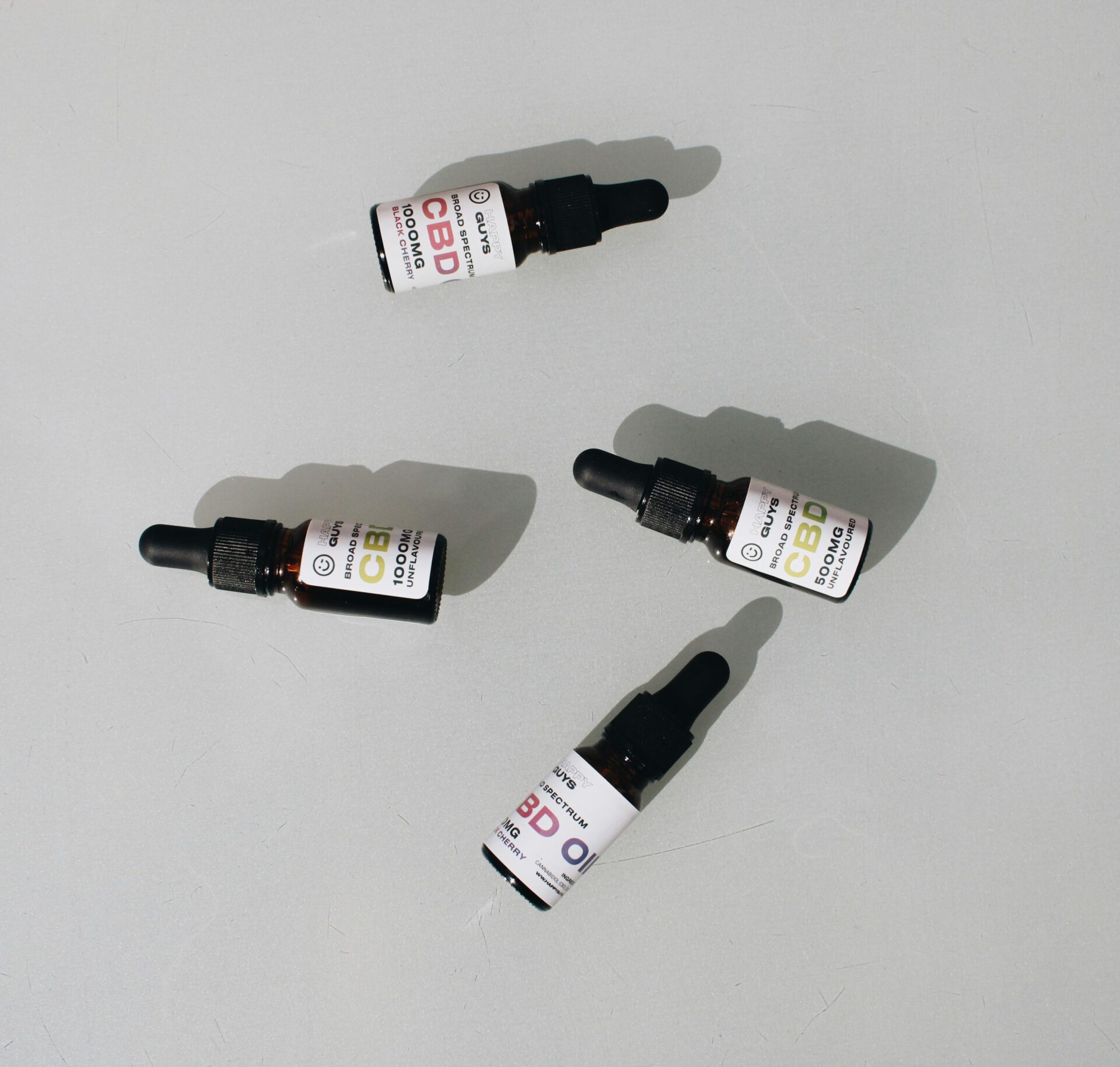
Think of the growing hemp market as a crowded,ever-changing bazaar – stalls brimming with familiar strains,curious extracts,and a new shelf of products that promise something slightly different: hemp-derived THCA. As interest rises, shoppers increasingly turn too online stores to compare offerings, decode labels, and weigh quality without ever stepping into a physical shop. This guide opens that digital marketplace, helping readers navigate what THCA is, how hemp-derived THCA products differ from othre cannabinoids, and what to watch for when buying online.
In the pages ahead you’ll find a clear map: concise explanations of common product types, pointers for verifying lab results and vendor reputation, practical tips on packaging, shipping, and returns, and a rundown of legal and safety considerations that vary by location.Whether you’re simply curious or preparing to make a purchase, this introduction aims to orient you to the essentials so you can shop informed and thoughtfully in the expanding world of hemp-derived THCA.
From Plant to Package: Understanding Hemp Derived THCA and How it Differs from THC
In the living hemp flower, cannabinoids mostly exist in their acidic forms – a botanical fingerprint that tells you where the molecule came from. THCA appears in resinous trichomes as the plant’s raw, non-intoxicating compound; it’s a fragile molecule that prefers cool, dark places. Harvest timing, gentle handling and minimal processing keep THCA intact, while exposure to heat, light or prolonged storage nudges it toward its famous neutral partner.
Conversion is simple chemistry with meaningful implications. Through decarboxylation – triggered by heat or time – THCA sheds a carboxyl group and becomes delta‑9 THC, wich brings psychoactive effects. Brands that sell THCA-forward products intentionally avoid high temperatures and use methods like cold CO2 extraction or solvent-free mechanical separation to preserve the acid form. Typical practices to retain THCA include:
- Cold extraction: preserves volatile and acidic cannabinoids.
- Minimal curing: reduces natural decarboxylation during post-harvest.
- Dark, airtight packaging: limits light and oxygen exposure.
A quick side-by-side can clarify practical differences for shoppers and regulators:
| Feature | THCA | Delta‑9 THC |
|---|---|---|
| Chemical form | Acidic precursor | Neutral,decarboxylated |
| Psychoactivity | Non-intoxicating raw | Intoxicating |
| Common processing | Cold extraction,low-heat handling | Heating,smoking,baking |
| Label/testing notes | COA should show THCA and post-conversion potential | Reported as delta‑9 THC |
When buying online,become a detail-oriented consumer: request a current Certificate of Analysis,note the extraction method,and check how the product is packaged and stored. Look for clear labeling that lists THCA content and any estimated conversion factor (commonly ~0.877 when calculating potential THC after decarb). Quick checklist:
- COA available: lab results from an ISO-accredited lab.
- Processing details: cold-processed or low-heat claims.
- Packaging: opaque, sealed containers to slow conversion.

Navigating Legal and Regulatory Realities for Online THCA Purchases
The marketplace for hemp-derived THCA is a mosaic of shifting laws, enforcement priorities and interpretive gray zones. At the federal level in the United States, hemp with less than 0.3% delta‑9 THC remains the benchmark, but manny regulators judge products by how they behave when heated or metabolized-not merely by raw lab numbers. Across states and international borders, definitions, packaging rules and shipping permissions can diverge dramatically, so what looks legal in one inbox can be problematic in the next.
Online sellers and buyers should treat compliance as a checklist, not an afterthought. Essential safeguards include:
- Certificate of Analysis (COA) from an accredited lab showing cannabinoid breakdown and contaminant testing.
- Clear labeling that discloses cannabinoid content, serving size and any safety warnings.
- Robust age verification and secure checkout processes to meet marketplace and payment-provider requirements.
- Clear shipping policies that flag jurisdictions where shipment is restricted or prohibited.
For consumers, practical diligence beats assumptions: save COAs, read terms of sale, and check local statutes before ordering. When in doubt, a brief consultation with a regulatory attorney or a conversation with reputable vendors can prevent surprises. The table below offers a compact snapshot of how rules can differ in key regions-use it as a quick heuristic, not a definitive map.
| Region | Typical Status | Quick Note |
|---|---|---|
| Many U.S. states | Conditional | Allowed if delta‑9 < 0.3%, but state rules vary |
| European Union | Restrictive | Novel food and member-state controls often apply |
| Canada | Regulated | Most cannabinoids fall under cannabis laws and licensed channels |

Comparing Product Types, Extraction Methods, and Terpene Profiles for Desired effects
When shopping for hemp-derived THCA, the product format you choose shapes the experience as much as the cannabinoid content.Flower and pre-rolls deliver a ritualistic,fast-onset inhalation; vapes offer convenience and efficiency; tinctures and sublinguals provide measured dosing and moderate onset; edibles produce long-lasting,body-centered effects; topicals act locally for targeted relief. Consider bioavailability and timing-if you want quick relief, inhalables or fast-acting tinctures are better; for steady overnight support, edibles or capsules win out.
Extraction method affects both the chemical integrity and the sensory profile of the final product. Below is a quick reference table comparing common extraction techniques:
| Method | Purity | Flavor/Terpenes | Best For |
|---|---|---|---|
| Supercritical CO2 | High | Preserves many terpenes | Full-spectrum oils |
| Ethanol | Medium-High | Good extraction, slightly polar | Tinctures & broad-spectrum |
| Hydrocarbon (Butane/Propane) | Very High | Excellent terpene retention | Live resin and concentrates |
| Rosin (Heat & Pressure) | Purist | Excellent true-to-plant flavor | Solventless craft products |
Terpene profiles are the seasoning of the hemp world-tiny molecules that nudge the effect in subtle but noticeable ways. Look for labels that list dominant terpenes and consider these common players: Myrcene tends toward sedation and muscle relaxation; Pinene supports alertness and memory; Limonene lifts mood and can be uplifting; Caryophyllene offers spicy notes with anti-inflammatory signaling.Match the terpene bouquet to your goal rather than chasing a single compound: for example, a CO2-extracted full-spectrum oil rich in limonene and pinene suits daytime clarity, while a rosin-derived concentrate with myrcene favors evening unwinding.
Practical pairing makes shopping easier: if you want rapid, controllable relief choose an inhalable produced via hydrocarbon or CO2 with a terpene-forward profile; for sustained systemic effects pick edibles or tinctures made with ethanol or CO2 and a balancing terpene blend; for topical, prioritize solventless extractions and ingredients that enhance skin absorption.Always check lab results for terpene content and residual solvents-those small details tell you whether a product will deliver the effect you expect.
Closing Remarks
As you close this guide, think of it as a practical compass for navigating the growing landscape of hemp-derived THCA products online. Armed with an understanding of product types, labeling, third‑party lab reports, and the patchwork of legal considerations, you can more confidently compare stores, verify sourcing and testing, and weigh return and shipping policies. Move deliberately-start with reputable retailers, inspect COAs and batch details, read customer feedback, and consult a healthcare professional if you have medical questions.With careful research and a measured approach, finding a safe, transparent THCA product that fits your needs becomes less guesswork and more informed choice.

