


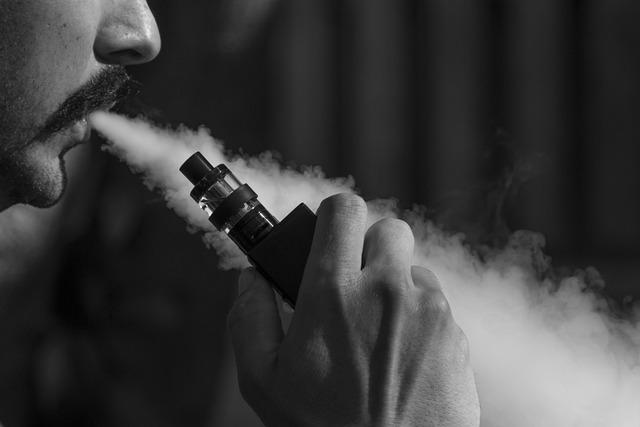
Picture a shelf of gleaming cartridges: names promising sunrise energy, tropical uplift, or “pure sativa bliss.” For shoppers hunting that invigorating, cerebral lift without draining the wallet, the THCA vape aisle can feel like both a treasure trove and a minefield. Lab-Tested THCA Vapes: Budget Sativa Blend Guide peels back the packaging to show what really matters when your balancing cost,quality,and the luminous,lively character sativa blends aim to deliver.
This guide centers on one simple idea: lab testing transforms guesswork into clarity. We’ll walk through how third-party Certificates of Analysis (COAs) reveal potency and terpene fingerprints, flag contaminants like solvents or heavy metals, and help you distinguish honest labels from hype. Along the way you’ll learn how to read test results, what to expect from budget-kind sativa profiles, and which red flags to watch for when price seems too good to be true. No preaching-just practical, research-grounded insight to help you choose a cleaner, more consistent THCA vape that fits both your preferences and your pocket.
Decoding Lab Reports to Find Trustworthy THCA Vape brands
Think of a Certificate of Analysis as the product’s passport. Start by scanning the top line items: a third-party, ISO/IEC 17025-accredited lab, a matching batch/lot number on the cart and the PDF, and a recent test date (fresh batches tend to taste brighter). For THCA vapes, verify both THCA (mg/g) and Δ9-THC (mg/g). Many reports also list Total THC using the familiar conversion (Δ9-THC + 0.877 × THCA); if it’s missing, brands should still disclose how they calculate potency. Budget shoppers: watch out for rounded-up percentages or “total cannabinoids” touted without a breakdown-clarity beats hype every time.
- Fast checks: QR code that opens the lab’s page (not a marketing site); product photo or SKU match; PDF not watermarked “preliminary.”
- Math that makes sense: mg/g aligns with the labeled percentage (e.g., ~800 mg/g ≈ 80%).
- Clear ingredients: oil + terpenes only; no PG, PEG, MCT, or Vitamin E acetate.
Flavor and feel live in the terpene panel. Sativa-leaning blends commonly feature terpinolene, limonene, and β-pinene, with supporting notes like ocimene or α-pinene. A realistic range for vape carts is 3-8% total terpenes (higher can be harsh; lower may taste flat).Prefer reports that list individual terpene percentages over vague “flavor” lines, and note the source: hemp/cannabis-derived terpenes ofen produce more nuanced profiles than generic botanicals, even in budget tiers.
safety panels separate real value from risky bargains. Look for ND (non-detect) on heavy metals (Pb, As, Cd, Hg), residual solvents (especially butane, heptane, toluene), pesticides (below action limits), microbials, and mycotoxins. Legit brands don’t hide this data-if the COA omits a category, ask why. Consistency matters too: a homogenized lot and multiple batch uploads signal the brand tests regularly, not just once for show.
| Checkpoint | What to See | Red Flag |
|---|---|---|
| Accreditation | ISO/IEC 17025 lab | In-house only |
| Potency Math | THCA/Δ9 in mg/g + total | % only, no units |
| Terpenes | Named + % each | “Flavor” label |
| contaminants | ND/PASS across panels | Missing sections |
| Batch & Date | Match + recent | Old or mismatched |
| Transparency | QR to lab portal | JPEG screenshot |
pair the COA with price reality. A simple metric: cost per mg THCA (cart price ÷ labeled mg THCA). Two carts can share a sticker price, yet one delivers far more verified potency and cleaner chemistry.The winners in the budget sativa lane make it easy to verify everything: stable potency math, terpene detail that matches the flavor name, complete safety panels, and a one-scan path from box to lab page.

Essential Safety Markers: Potency, Residual Solvents and Heavy Metals Explained
Potency is more than a big number on the box.For budget sativa blends, a reliable COA should show the THCA percentage, the calculated Total THC (post‑decarb), and a clear breakdown of minor cannabinoids (CBG, CBC) that shape the lift.Match the batch ID on the package to the COA, and compare the label claim to the lab figure-tight products land within a small variance. Terpenes (often 2-8%) help explain the feel: brighter sativas often lean on limonene, terpinolene, and pinene. If the COA omits terpenes, potency may look fine but the experience can feel flat.
Residual solvents tell the story of the extraction. Clean, budget-friendly carts still pass stringent headspace GC testing for butane, propane, ethanol, and more. you wont non-detect (ND) or “below method LOQ” for inhalables, with the method and instrument listed. A good lab document also confirms no mystery diluents-no vitamin E acetate, MCT, or squalane. If a report bundles solvents under “pass/fail” without values, consider it incomplete for daily drivers.
| Marker | What to check | Green light | Red flag |
|---|---|---|---|
| THCA / Total THC | Batch ID match; variance vs label | Within a tight range; clear calc | Missing calc; big % mismatch |
| Minor cannabinoids | CBG/CBC listed | Obvious profile | “ND” across the board |
| Residual Solvents | Method + LOQ stated | ND or below LOQ | Detected without values |
| Terpenes | Top 3-5 terps named | Coherent sativa lean | Omitted or “proprietary” |
| Diluents/Cutting Agents | Explicit screen | None detected | Any non-cannabinoid diluent |
Heavy metals frequently enough sneak in through hardware, not the oil. Lead, cadmium, arsenic, and mercury can leach from low‑grade alloys, solder, or wicks-especially under heat. Look for an inhalable category metals panel on the exact finished product (same cart, same batch), not just the raw distillate.The COA should list each metal with a result of ND or “below state limit,” plus the lab’s action level reference. If only the empty hardware was tested-or the date lags months behind the fill date-treat it as incomplete safety data.
- Batch fidelity: Package lot equals COA lot; QR code resolves to a lab site, not a marketing page.
- Method transparency: GC/HS for solvents, ICP‑MS for metals, HPLC for potency; LOQs shown.
- Inhalable standards: Results referenced to vape-specific limits,not edible or flower limits.
- Data clarity: Values + units provided; “Pass” without numbers is not enough for daily sativa carts.

Best Value Sativa THCA Vapes Backed by Transparent testing and Consumer Results
Finding real savings in sativa-forward THCA vapes means balancing price with proof. Look for brands that pair budget-friendly tags with full-panel, batch-stamped COAs and verifiable terpene profiles. When consumer reviews echo what the lab sheet promises-clean flavor, smooth hardware, steady lift-you’re not just paying less; you’re paying smart.
- Fresh COA: Issued within the last 9-12 months, with batch/lot matching the device.
- Full-panel testing: Potency plus heavy metals, pesticides, and residual solvents (all “Pass”).
- Terpene clarity: 3-7% total, sativa-leaning leaders like terpinolene, limonene, or pinene listed.
- minor cannabinoids: Transparent totals for THCV/CBG that support an uplifting profile.
- Hardware notes: Ceramic core, clog-resistant design, and stable wicking at low temps.
- Direct access: QR code that opens the laboratory PDF (no marketing gates).
- Compliance: Clear age gating and region-appropriate labeling-always check local rules.
Below is a snapshot of wallet-friendly sativa options that consistently publish easy-to-verify labwork and receive steady, positive feedback from everyday users. Pricing is illustrative-compare current promos and multipacks for the best deal.
| Blend | COA access | THCA (mg/g) | Top Terps | User Notes | Value ($/mg) |
|---|---|---|---|---|---|
| Daybreak Citrus | QR on box + site | 870 | Limonene, Terpinolene | Zesty lift, smooth inhale | 0.035 |
| Neon pine | Direct lab link | 820 | Pinene, Ocimene | Clean pine, clear head | 0.032 |
| Sunwire Jack | QR to PDF | 900 | Terpinolene, Myrcene | Energetic, not buzzy | 0.038 |
| Café Electric | Batch portal | 840 | Limonene, Valencene | Citrus pop, steady focus | 0.033 |
before you add to cart, open the COA and confirm: lab accreditation (ISO/IEC 17025), matrix listed as vape oil/distillate, cannabinoid totals shown on an “as received” basis, and unambiguous Pass results for contaminants. Cross-check the device’s lot/serial with the report, and make sure the terpene leaderboard mirrors the flavor you expect-citrus-pine brightness for daytime momentum is a common match.
Patterns in consumer reports highlight the same themes: bright aroma, crisp onset without jitter, and hardware that preserves terpenes. To stretch your budget while staying selective, try the following:
- Chase recency: Newer batches often carry fresher terpene expression.
- Bundle smart: Multipacks are worth it only if each cart has its own QR-linked COA.
- Prioritize build: Ceramic cores and low-temp tuning reduce harshness and waste.
- Do the math: Track price per mg-2 g carts aren’t always the better value.
- Recheck after updates: When a brand refreshes terps or hardware, revisit reviews and labwork.
Choosing the Right Cartridge and Battery for smooth, Cost Effective Sessions
Start by matching your oil’s viscosity to a dependable 510-thread cart designed for lab-tested THCA blends. Look for clean hardware: medical-grade stainless steel, a lead-free center post, and a fully ceramic or ceramic-core atomizer that spreads heat evenly for bright, daytime terpenes. Sativa-forward profiles tend to shine at lower temps, so prioritize carts with tight tolerances and wicks that won’t flood or scorch when you dial voltage down. When in doubt, verify the brand’s hardware specs inside the COA or via QR-reliable carts protect flavor, lungs, and wallet.
- Ceramic core: Smooth, even heat; preserves citrusy, energizing top notes.
- Intake apertures: 1.5-2.0 mm for thicker oils; smaller for thinner blends to prevent leaks.
- resistance: ~1.2-1.6 Ω balances flavor and battery life.
- Materials: Lead-free, heavy-metal-tested components; food-grade seals.
- Seal & fill: Factory-filled, tamper-evident caps reduce oxidation and waste.
| Spec | Why it matters | Budget tip |
|---|---|---|
| Ceramic atomizer | Prevents hot spots; better terp retention | Choose reputable OEMs (e.g., CCELL-style) |
| 1.5-2.0 mm intakes | Feeds thicker THCA blends evenly | Avoid oversized ports that guzzle oil |
| 1.2-1.6 Ω coil | Stable draws at low voltage | Pairs with smaller, cheaper batteries |
| Lead-free post | Cleaner vapor, safer long-term use | Verify via COA/QR before buying |
Your battery is the throttle for smooth, cost-savvy sessions. Variable voltage beats fixed output: start low (about 2.2-2.6 V) to keep sativa terps lively and reduce burning through oil. A gentle preheat (2-5 seconds) can mobilize thicker distillate without cooking it; draw-activated devices are convenient, but a buttoned battery with clear voltage steps offers repeatability.For daily carry, 350-500 mAh is discreet and sufficient; for marathon days, 650-900 mAh cuts charge anxiety without overspending.
- voltage range: 2.2-3.0 V sweet spot; climb only if wicking lags.
- Preheat/pulse: Short, low-temp pulses prevent spitback and terp loss.
- USB‑C + passthrough: Faster top-ups extend device lifespan and convenience.
- Protections: Short-circuit, overdraw, and overheat safeguards add value.
Stretch every gram with mindful maintenance. Keep carts upright and out of heat to slow oxidation; wipe contacts with a dry swab to maintain solid conductivity.Take shorter, steady pulls (2-3 seconds) and let the wick re-saturate between draws-this curbs burnt hits and overconsumption. compare total cost of ownership: a modest, reliable 510 battery plus lab-tested carts usually beats disposables for flavor, consistency, and price-per-session where legal.
Smart Dosing, Storage and Use Practices to Preserve Potency and Consistency
Start low, pace slow is the mantra for budget sativa THCA blends-especially when they’re lab-tested and terpene-forward. Begin with one or two short mouth‑to‑lung pulls, then wait 5-10 minutes before deciding on a follow‑up. Keep your battery in the lower range to preserve volatile terpenes and delay harsh decarbing: 2.2-3.0 V (or a “low” setting) typically delivers cleaner flavor and steadier onset. Avoid chain hits; micro‑pulses (tap the fire button, release, then sip) reduce coil shock, minimize waste, and help maintain batch consistency across sessions.
| Mode | voltage | draw | Flavor | Best for |
|---|---|---|---|---|
| Terp‑Saver | 2.2-2.6 V | 2-3 s | bright | First puffs |
| Balanced | 2.7-3.0 V | 3-4 s | Full | Focused tasks |
| Punchy | 3.1-3.3 V | 1-2 s | Warm | Swift reset |
Potency lives or dies by how you store and handle the cart.Heat, light, and oxygen speed terpene fade and push premature conversion. Aim for a cool, dark drawer at 60-70°F (15-21°C), keep carts upright, and lock the battery in pockets or bags to prevent accidental firing.Wipe contacts with an alcohol swab when flavor dulls, and if you notice crystallization, gently warm the cartridge between your palms for 30-60 seconds-no lighters, no microwaves.Preserve traceability (and your budget) by keeping the batch label/COA QR with the device so you can repurchase the same profile that works for you.
- Store upright with the silicone plug when not in use; cap the mouthpiece to reduce dust and oxidation.
- Avoid cars and sunny windows; extreme temps thin or burn the oil and skew dosing.
- Preheat briefly (1 second) before a pull; if clogged, use low‑temp pulses rather than poking the coil.
- clean weekly: cotton swab + isopropyl on the 510 and the battery threads for consistent conduction.
- Rotate FIFO (first‑in, first‑out) so older carts don’t sit and stale-your terp profile stays truer.
For steadier results across days, standardize your ritual: a deep nasal inhale to prime, 2-4 second mouth‑to‑lung draw, then a normal exhale-no breath‑holding needed. hydrate, wait a few minutes, and log what worked: draw length, battery setting, time of day, and the batch ID. If your goal is to stretch value, use terp‑saver sips in the morning and reserve the balanced setting for peak tasks. This small dose discipline keeps the sativa brightness intact, avoids burnt notes, and delivers the same clean lift from the first puff to the last.
To wrap It Up
As you close this guide, remember that choosing a budget sativa THCA vape needn’t mean choosing blind. think of lab-tested options as a map – they show the terrain of potency, terpene notes and potential contaminants so you can pick a route that fits the mood you want: bright and focused, or gently energizing.
let the lab results steer your choice more than price alone. Look for clear cannabinoid profiles, autonomous third-party screening, and transparent labeling; favor brands that publish COA details and manufacturing practices. Treat potency with respect – start low, observe, and adjust – and always factor in local laws and regulations before buying or consuming.
the right budget sativa blend is the one that reliably delivers the uplift you seek without guessing games. With solid lab data,a cautious approach and a sense of curiosity,you can explore responsibly and find a reliable,wallet-friendly way to enjoy the sativa vibe.

