


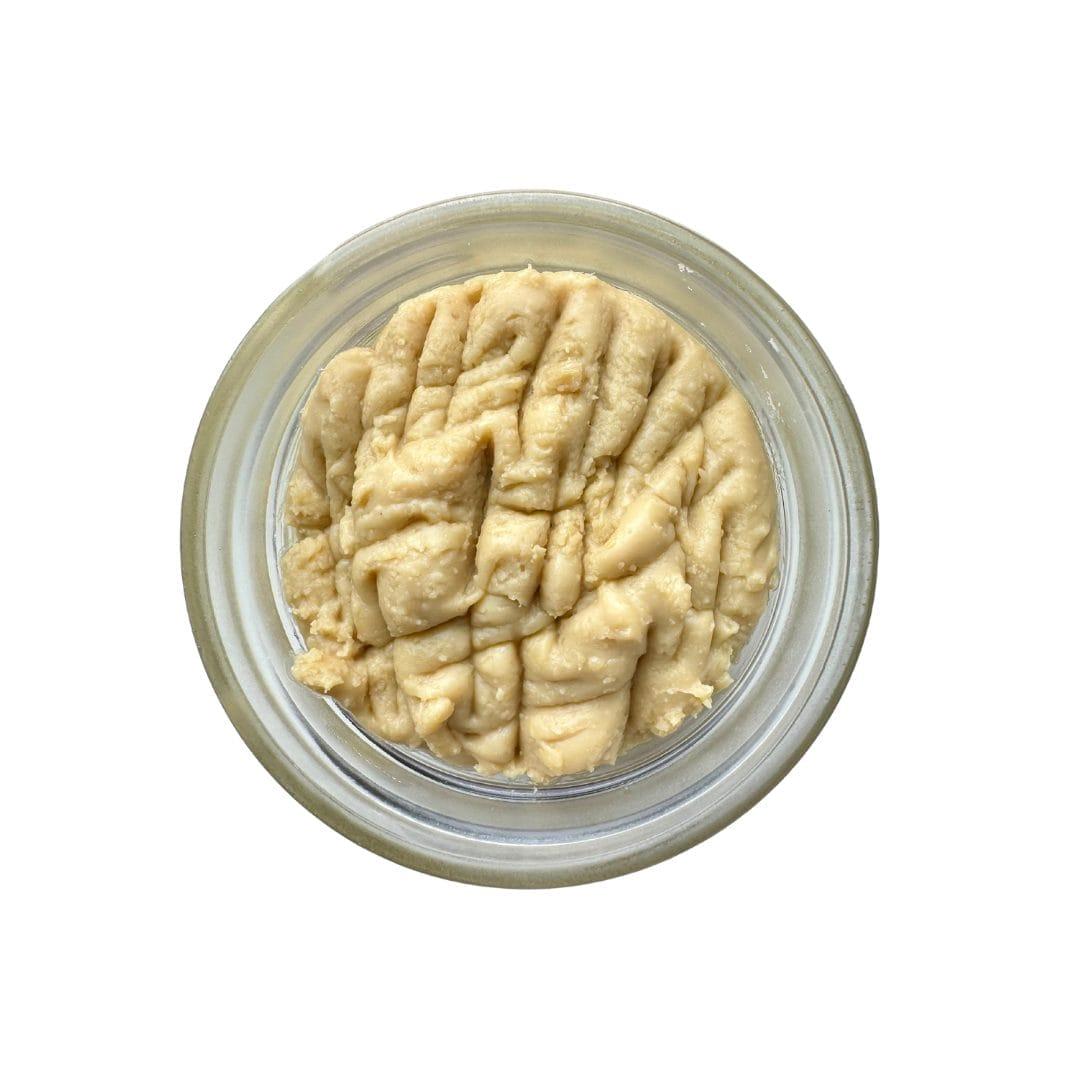
Like any emerging market, the world of THCA feels less like a flat map and more like shifting topography-new peaks of innovation rising beside long-established foothills of compliance and caution. In 2024,brands are navigating this terrain with strategies that fuse chemistry,design,and marketing,while regulators and retailers redraw boundaries in real time. This overview sets out to chart those movements: who is gaining ground, which product categories are expanding, and how consumer preferences and policy changes are reshaping competitive lines.
Ahead you’ll find a neutral,evidence-led tour of the year’s defining trends,from product formulation and packaging strategies to channel growth,pricing dynamics,and regional variations. Drawing on sales data, brand launches, retailer behavior, and consumer signals, the article aims to translate fragmented signals into a clear map-showing where the market is concentrating, where it’s fragmenting, and what that implies for brand positioning in the months to come.Whether you’re a market watcher, industry professional, or curious reader, this piece will orient you to the 2024 THCA landscape without hype-just coordinates, context, and clarity.
quality Assurance, Testing Transparency and Compliance Best Practices
Robust testing should be treated as a brand instrument, not a cost center. Leading THCA companies center their product pipelines on self-reliant Certificates of Analysis (COAs), validated methods and batch-level traceability so every SKU can be traced from cultivation to consumer.Prioritize labs with ISO/IEC 17025 accreditation,stability protocols that reflect shelf conditions,and digital recordkeeping that ties COAs to lot codes-this is how quality becomes verifiable at scale.
transparency translates directly into market differentiation. Make laboratory data accessible in plain language and machine-readable formats: QR codes on packaging, a searchable COA archive on the site, and consumer-facing summaries that explain potency, terpene profiles and safety screens. Practical steps to implement immediately include:
- Publish COAs for each lot on yoru product page.
- Use QR codes that link to batch-specific test results.
- Work only with accredited labs and rotate proficiency testing partners.
- Document SOPs for sampling, storage and transport to prevent invalid results.
- Label clearly with active THCA content, serving size and any regulatory warnings.
| Test | Typical Limit | Why it matters |
|---|---|---|
| Potency | ±10% of label | Accurate dosing and claims |
| Pesticides | Non‑detect/ppb | Consumer safety and compliance |
| Residual solvents | USP limits | Process purity |
| Heavy metals | Regulatory thresholds | Long‑term health risk |
| Microbial | Absence of pathogens | Product safety |
Compliance is not a checklist-it’s a culture. Maintain rolling internal audits, employee training tied to SOPs, a documented recall and corrective action plan, and retention policies for raw data to meet audits.Brands that publish their testing philosophy, respond transparently to failures and continuously refine methods will win the trust that defines the 2024 THCA marketplace.
Final Thoughts
As 2024 draws its lines across the THCA landscape, the picture that emerges is less a single trajectory than a shifting mosaic - brands carving niches, compliance reshaping playbooks, and consumers nudging the market toward clarity and variety. What started as a scatter of experimental offers is coalescing into recognizable patterns: clearer identities, sharper value propositions, and a growing demand for transparency from seed to shelf.
For industry players, the implication is straightforward and ongoing: data and adaptability matter more than ever. Those who balance regulatory diligence with thoughtful storytelling and product integrity will be best positioned to translate ephemeral trends into durable growth. For observers and newcomers,the lesson is patience – this market is maturing,but it will continue to iterate as laws,science,and consumer tastes evolve.
Ultimately,mapping THCA brand trends is less about predicting a single outcome than about staying attuned to the currents that will carry the next wave of innovation. Keep watching the signals – compliance updates, product launches, retail strategies, and consumer feedback - and let them inform smarter, more resilient decisions as the market continues to take shape. The map may change, but a careful, curious approach will keep you moving in the right direction.
