


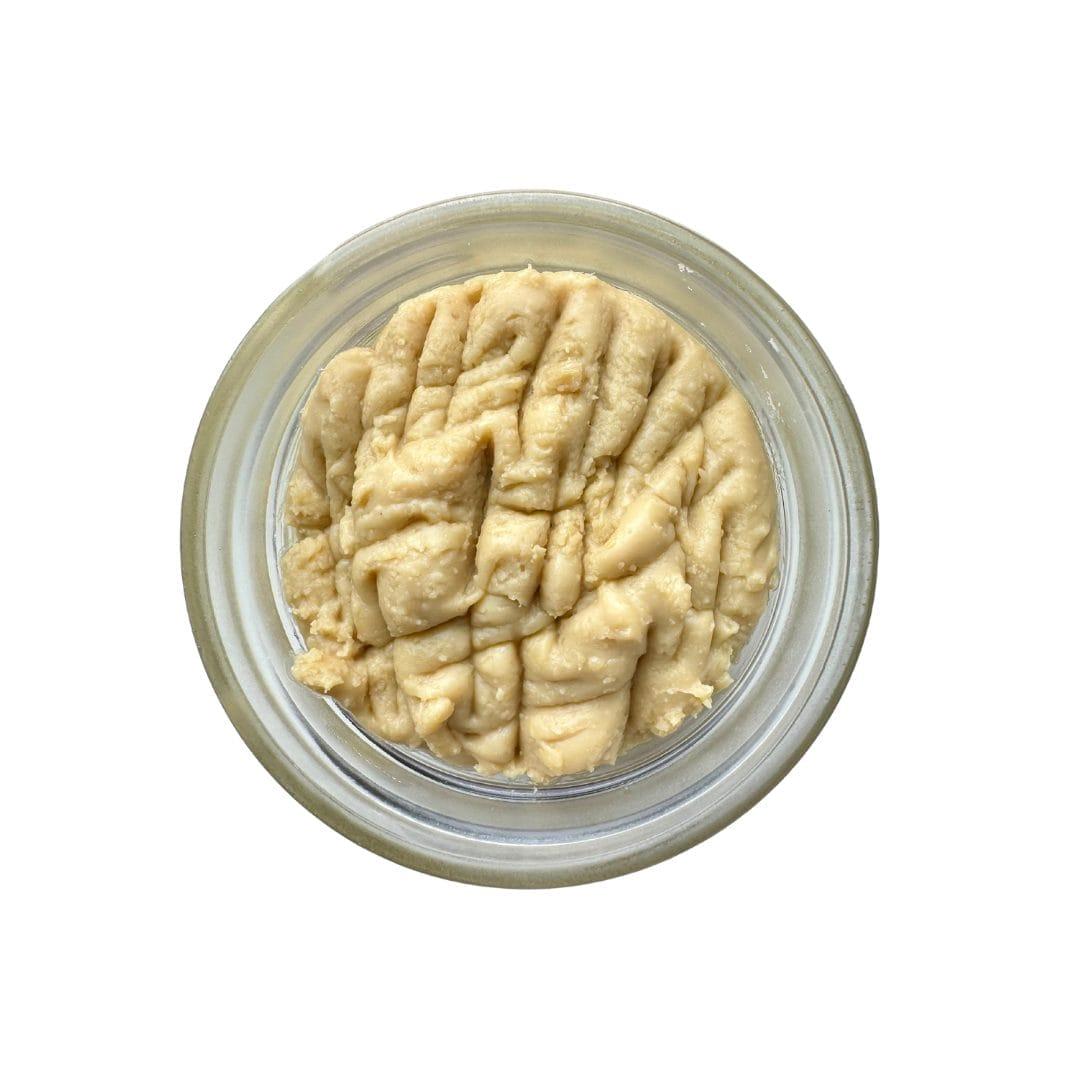
Like constellations slowly rearranging in the night sky, the THCA market is forming new patterns across the United States-different clusters of product types rising in some regions, fading in others, and connecting to broader regulatory and consumer shifts. This article maps those patterns, tracing how tetrahydrocannabinolic acid (THCA), the non-intoxicating precursor to THC, has moved from a niche curiosity to a commercially notable ingredient across a range of product categories.
We’ll look beyond headlines to the granular signals that reveal growth: which product types (flower and concentrates, vapes, edibles, gummies, topicals, isolates and blends) are gaining traction, where demand is concentrated, and how state-level policy and retail channels shape availability and adoption. By combining sales trends, SKU diversity, price movements and regional regulatory context, the piece aims to show not only where THCA is expanding, but why certain product formats are thriving in particular markets.
Readers will come away with a mapped view of the current landscape-regional hotspots,fast-growing categories,and the market forces at play-plus considerations for manufacturers,retailers and regulators seeking to understand or participate in this evolving segment. Neutral and data-focused, the article intends to clarify the market’s shape rather than prescribe its future.
Supply Chain dynamics and Retail Channel Performance: Inventory Pricing and Shelf Penetration Insights for THCA Products
Behind every THCA SKU on the shelf is a chain of delicate handoffs - from cultivar selection and extraction runs to third-party bottling and regional distribution hubs. These handoffs create measurable friction: longer lead times inflate safety-stock requirements, while variable batch yields increase unit costs and make price consistency across stores difficult.retailers that compress these touchpoints through regional micro-fulfillment or stronger vendor-managed inventory (VMI) agreements typically see faster inventory turns and fewer out-of-stocks, which in turn supports steadier consumer trust and repeat purchases.
Channel performance diverges sharply depending on format and placement. Brick-and-mortar dispensaries often rely on curated assortments and educational staff to drive premium conversion,whereas delivery and e-commerce channels win on convenience and promotional flexibility. Key drivers of shelf penetration include planogram prominence, SKU clarity, and barcode-level traceability – small changes here can produce outsized lift. Typical levers retailers use to optimize penetration include:
- Assortment rationalization to reduce cannibalization and clarify choice
- Dynamic pricing tied to local demand signals and competitive sets
- Localized promotions that align with store-level inventory velocity
Speedy channel snapshot
| channel | Avg. Shelf Penetration | Inventory Turn (monthly) | Typical Price Range |
|---|---|---|---|
| Dispensary | High (35-50%) | 1.8 | $25-$60 |
| Delivery / Online | Medium (20-35%) | 2.3 | $18-$45 |
| Specialty Retail | Low-Medium (10-25%) | 1.2 | $20-$50 |
Pricing and shelf strategies are most effective when they are data-led: SKU-level elasticity tests,time-to-shelf analytics,and cross-store replenishment algorithms reveal where markdowns,premium placements,or SKU delists will pay off. By treating supply chain constraints as variables rather than fixed costs, brands and retailers can sculpt a more resilient, high-penetration presence for THCA products without sacrificing margins – the result is smarter inventory, clearer pricing signals, and a shelf that actually sells.
Regulatory Hotspots and Compliance Considerations: Navigating State Rules Testing and Labelling for THCA Market Access
Across the patchwork of U.S. jurisdictions, businesses encounter wildly different interpretations of THCA – from states that treat it as a benign hemp derivative to those that view it as a controlled THC analogue once decarboxylation is possible. This regulatory unevenness creates practical hotspots at borders, in wholesale distribution, and on retail shelves. Operators must pay attention not only to numeric thresholds (e.g.,0.3% delta‑9 THC by dry weight in many hemp laws) but also to statutory language about precursors, metabolites, and “intent to consume” that can tip a product from legal to noncompliant overnight.
Laboratory testing is the gatekeeper to market access and one of the most frequently shifting pillars of compliance. States differ on required assays (COA parameters), accepted methods (GC vs HPLC), and even sample handling rules that influence measured potency. Key testing and documentation practices include:
- Validated potency profiles that show both THCA and converted THC concentrations
- Stability studies to demonstrate conversion rates under realistic storage and transport conditions
- Residual solvent and contaminant screens aligned with state-specific action levels
- Chain-of-custody records and lab accreditation (ISO/IEC 17025 or state-equivalent)
Proactive compliance blends legal mapping with product design: clear, conservative labeling, child-resistant packaging where required, and conservative potency claims that account for worst-case decarboxylation. Consider simple operational controls – restricted shipping routes, dual COAs for interstate transactions, and routinely updated state-compliance checklists – to avoid costly recalls or enforcement actions. The table below summarizes a practical triage of state postures and immediate actions to take:
| State Posture | Primary Concern | Quick Compliance Move |
|---|---|---|
| Permissive/Hemp-focused | Label accuracy; delta‑9 thresholds | Standard COA + conservative labeling |
| Restrictive/Cannabis-aligned | THCA treated as controlled THC | Limit distribution; require cannabis-licensed vendors |
| Ambiguous/Transitional | Rule change risk; enforcement variability | Enhanced testing & legal monitoring |
Insights and Conclusions
As the map of THCA’s U.S. marketplace fills in,familiar contours give way to new terrain - pockets of rapid innovation in concentrates and vapes,steady demand for traditional smokables,and cautious experimentation with edible and topical formats. What began as a fragmented patchwork of regional tastes and regulatory quirks is resolving into a more legible mosaic: product types are carving out distinct footholds, and consumer behaviors are shading the market’s future directions.For industry players, regulators, and observers alike, the lesson is one of attentive navigation rather than bold speculation. Data-driven cartography reveals where investment may find fertile ground, which segments require clearer standards, and how supply chains must adapt to shifting preferences. At the same time, the market’s path will depend on evolving policy, laboratory practices, and the small-but-meaningful choices of everyday buyers.mapping THCA market growth is less about a single destination than about tracking many simultaneous journeys. The charts and heat maps capture today’s contours; tomorrow’s shifts will be written by innovation, regulation, and consumer taste. Keeping the map updated – with rigorous data, transparent testing, and open dialog – is the surest way to understand where this market is headed.
