


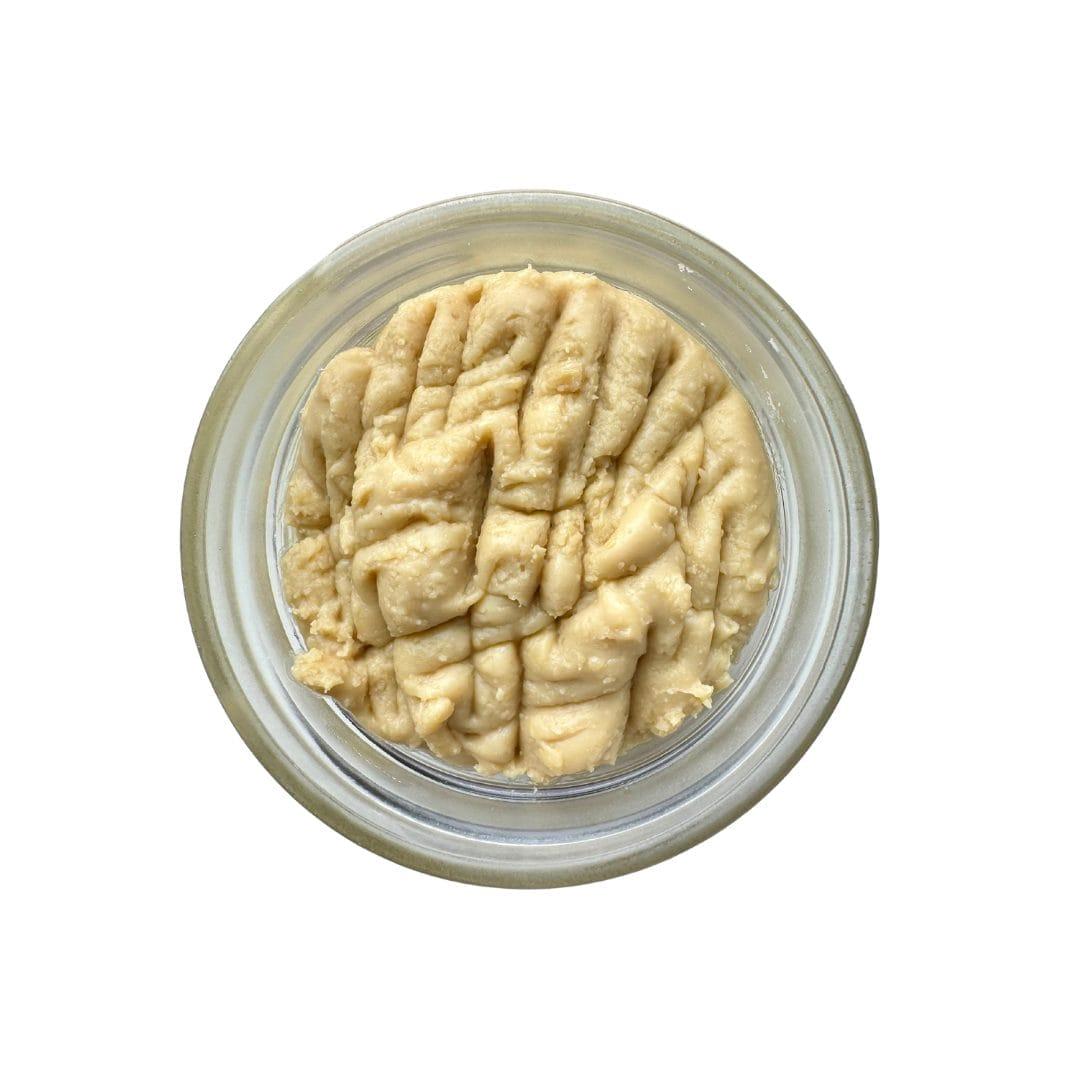
A map can make invisible patterns visible: contours of price that trace supply and demand, legal patchworks and shifting consumer tastes.This article, “Mapping THCA Prices: National averages & Historic Trends,” sketches that topography for one of cannabis’s prominent compounds – THCA – translating numbers from disparate markets into a clearer national picture and a timeline of change.
We begin by laying out current national averages: how much THCA is selling for today across regions and product types, and were prices cluster or diverge. Then we step back through time too show the trends that underlie those figures – seasonal cycles, regulatory inflection points, and market maturation – using ancient data to separate one-off volatility from persistent movement. Throughout, the focus is empirical: charts, averages, and trend lines that invite interpretation without prescribing it.
Readers will find utility whether they are producers gauging competitiveness, retailers setting price strategy, policymakers tracking market outcomes, or researchers seeking context for further study. By mapping prices geographically and historically, this piece aims to illuminate the economic geography of THCA – not to promote use, but to make the market intelligible. The following sections unpack the data, explain methodology, and highlight the key takeaways that emerge from the map.
Mapping the Terrain of THCA Prices: National Averages and regional Pockets
Think of the market as a topographic map: broad plateaus where prices stabilize and sharp valleys or peaks that mark local anomalies. Across the contry, a countrywide average provides a useful baseline, but it glosses over the microclimates created by regulation, grower specialization, and consumer taste. Where one metro area treats THCA as a commodity, another treats it as a boutique expression-those differences shape both short-term spikes and long-term gradients.
Several consistent drivers carve the most visible contours in price charts. Key influences include:
- Policy and taxation – higher levies tend to lift consumer prices everywhere downstream.
- Local supply chains – proximity to extraction hubs or flower producers compresses costs.
- Product form – raw THCA flower, isolates, and crystalline products follow different pricing logics.
- Consumer sophistication - markets that prize genetics and craft processes sustain premium pockets.
| Region | typical Price (per gram) | Yearly Drift |
|---|---|---|
| West Coast | $14.00 | −3% (softening) |
| Northeast | $13.25 | +5% (tight supply) |
| Midwest | $10.75 | +1% (stable) |
| mountain States | $12.50 | +8% (premium pockets) |
Beneath these averages live the micro-markets: urban neighborhoods with boutique dispensaries, agricultural counties where oversupply can depress prices, and festival-driven spikes that disappear overnight. For anyone tracking value, the most reliable insight is local movement-watch local price signals and seasonal harvests to spot where plateaus will shift into peaks or troughs next.
In Conclusion
Like any good map, this survey of THCA prices offers a snapshot – lines and colors that make patterns legible but never tell the whole story. National averages and historic trends reveal broad currents: where markets have tightened or softened, how seasons and regulation shift the coastline of supply, and which regions consistently diverge from the mean. Yet beneath the averages lie local eddies – harvest timing, processing capacity, and policy changes – that can turn a steady tempo into sudden spikes or dips.
Use these maps and charts as a compass, not a decree.Growers, buyers, analysts, and policymakers can all draw practical insight from the trends shown here, while remembering that prices remain subject to rapidly changing demand, technology, and law. Continued, careful monitoring – combined with on-the-ground knowledge – will be essential to navigate future turns in the market.
As the industry evolves, so will the map. Returning to the data regularly, questioning assumptions, and pairing high-level patterns with local intelligence will keep you oriented. Meanwhile, let this piece serve as a guide: a way to see the lay of the land, sense the tides, and prepare for whatever comes next.
