


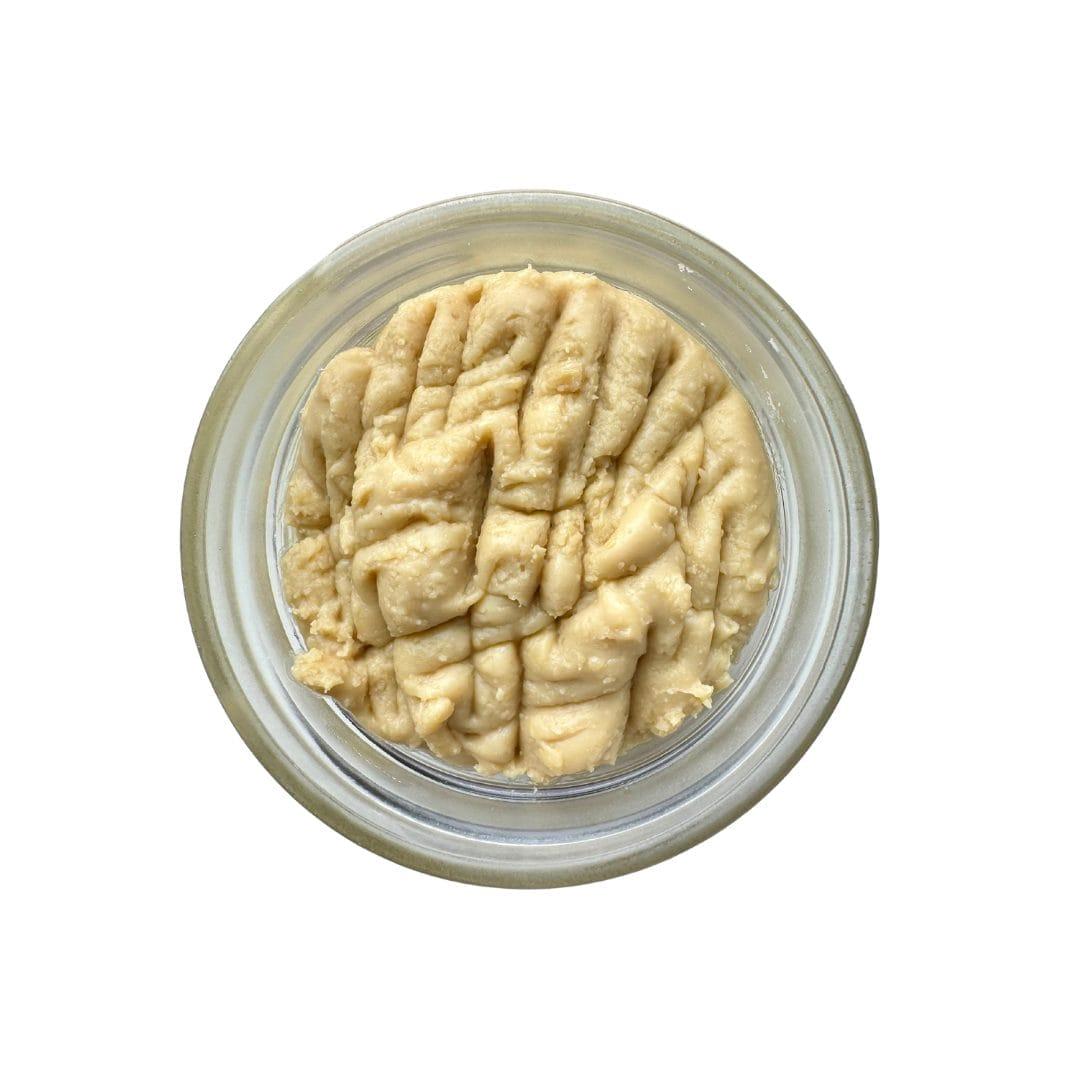
Across the country, a quiet topography is emerging - not of mountains or rivers, but of lab reports, dispensary shelves and shopper preferences. “Mapping THCA: Product-Type Trends state-by-State” sets out to translate that landscape into a readable atlas, tracing how a single cannabinoid in its acidic form has become a marker for divergent markets, regulations and consumer choices from coast to coast.
This article takes a data-forward view without losing sight of context. We’ll walk through which product types - raw flower, high-THCA concentrates, infused edibles, tinctures and other formats – dominate in particular states, and explore the legal frameworks, retail practices and cultural currents that help explain those patterns.Along the way you’ll encounter maps, category breakdowns and statewide snapshots that reveal where homogeneity or contrast is most pronounced.
Neutral in tone but vivid in detail,the piece aims to give policymakers,industry observers and curious readers a clear sense of how THCA-related products are distributed and consumed across the U.S. It won’t prescribe preferences or predict futures; instead, it will equip you with the comparative picture needed to understand how local rules, supply chains and consumer tastes shape what appears on dispensary shelves and in lab reports from state to state.
How Policy and regulation Shape THCA Availability and Practical Compliance Recommendations
Regulatory landscapes act like invisible cartographers for THCA markets: thay redraw boundaries, decide which product formats prosper, and determine how easily consumers can find raw or converted compounds.Rules about potency reporting and whether THCA is treated as a distinct analyte or as a precursor to THC change shelf assortments – from raw flower and stabilized extracts to heat-activated vape cartridges. Testing mandates, chain-of-custody requirements and municipal overlay ordinances introduce patchwork availability that can make a single SKU legal in one county and unsellable across the highway.
Close-to-the-ground compliance means translating those frameworks into day-to-day practice. Practical steps that successful brands use include:
- Rigorous COAs: Maintain Certificates of Analysis that explicitly list THCA and its conversion potential.
- Supply-trace SOPs: Track batches from cultivation through extraction and packaging to prove provenance during audits.
- Label literacy: Use clear consumer-facing language about decarboxylation risks and safe use.
- Local licensing alignment: Match product formulations to the strictest rules within your distribution footprint, not just the state minimum.
States tend to fall into a few pragmatic archetypes, each with distinct compliance priorities – knowing which one you operate in saves time and capital. Below is a compact reference to map product strategy to regulatory reality.
| State Archetype | Typical Availability | Compliance Focus |
|---|---|---|
| Permissive | Wide product mix, adult-use retail | Batch testing cadence, clear labeling |
| Medical-only | Limited formulations, patient registries | Medical-grade COAs, documentation |
| restrictive | Few legal avenues, tight municipal bans | Legal counsel, conservative product design |
Remain nimble: monitor rulemaking calendars, cultivate accredited lab partnerships and build a compliance-first culture. Those investments turn regulatory friction into predictable processes, letting product teams innovate within legal channels rather than chasing retroactive fixes. Documentation, training and transparent COAs are the trinity that keep THCA offerings both available and defensible.
Ensuring Quality Through Lab Testing and Potency Transparency Retailers Should Require
Independent laboratory validation has become the backbone of consumer confidence in cannabinoid products. Retailers who insist on third-party testing reduce risk for their customers and their brand by confirming not only the nominal THCA content but also what those numbers mean after decarboxylation, how consistent batches are, and whether any contaminants slipped through during production. Look for labs with ISO/IEC 17025 accreditation or state-recognized credentials and clear batch traceability so a single COA (Certificate of Analysis) ties directly to the SKU on the shelf.
- Cannabinoid profile: Complete percentages for THCA, THC, CBD and minor cannabinoids, with limits of detection reported.
- Terpene panel: Names and concentrations to help match flavor to effect and to flag adulteration.
- Safety screens: Pesticides, heavy metals, microbial contaminants and residual solvents, each with pass/fail thresholds.
- Lab transparency: Lab name, accreditation, analyst initials and date of testing.
| State | Typical THCA Range | Standard COA Elements |
|---|---|---|
| California | 15-28% | Full cannabinoids, pesticides, solvents |
| Colorado | 10-25% | Terpenes, heavy metals, microbial |
| Florida | 8-20% | Potency, pesticides, residual solvents |
Clear potency reporting is more than a decimal point on a label; it’s context.Retailers should push for COAs that translate THCA into expected post-decarboxylation THC where relevant, provide QR codes for instant consumer access, and require consistent testing panels across suppliers so regional THCA trends are comparable. When stores hold suppliers to the same testing standards and make results visible,shoppers get safer products and researchers gain better data for mapping how THCA levels shift by product type and by state.
In Summary
As the last contours of the map settle, what emerges is less a single story than a shifting mosaic – states as tiles colored by regulation, consumer preference, and the ingenuity of producers. Tracking THCA product types state-by-state reveals patterns and outliers alike: some regions favor familiar flower and concentrates, others lean into novelty and processed formats, and a few sit at regulatory crossroads where future market shape is still being negotiated.
This cartography of commerce and culture is a reminder that data is both a mirror and a compass. it reflects where the market has been and points toward paths it might take as laws change, technologies evolve, and tastes adapt. For policymakers, entrepreneurs, researchers, and curious consumers, the value lies in watching these trends over time – not to predict certainty, but to understand direction, spot emerging needs, and weigh trade-offs.
Keep the map close. Revisit it when new rules drop, when consumer surveys shift, or when innovation redraws the borders. The story of THCA products is ongoing,and the next chapter will be written state by state.
