


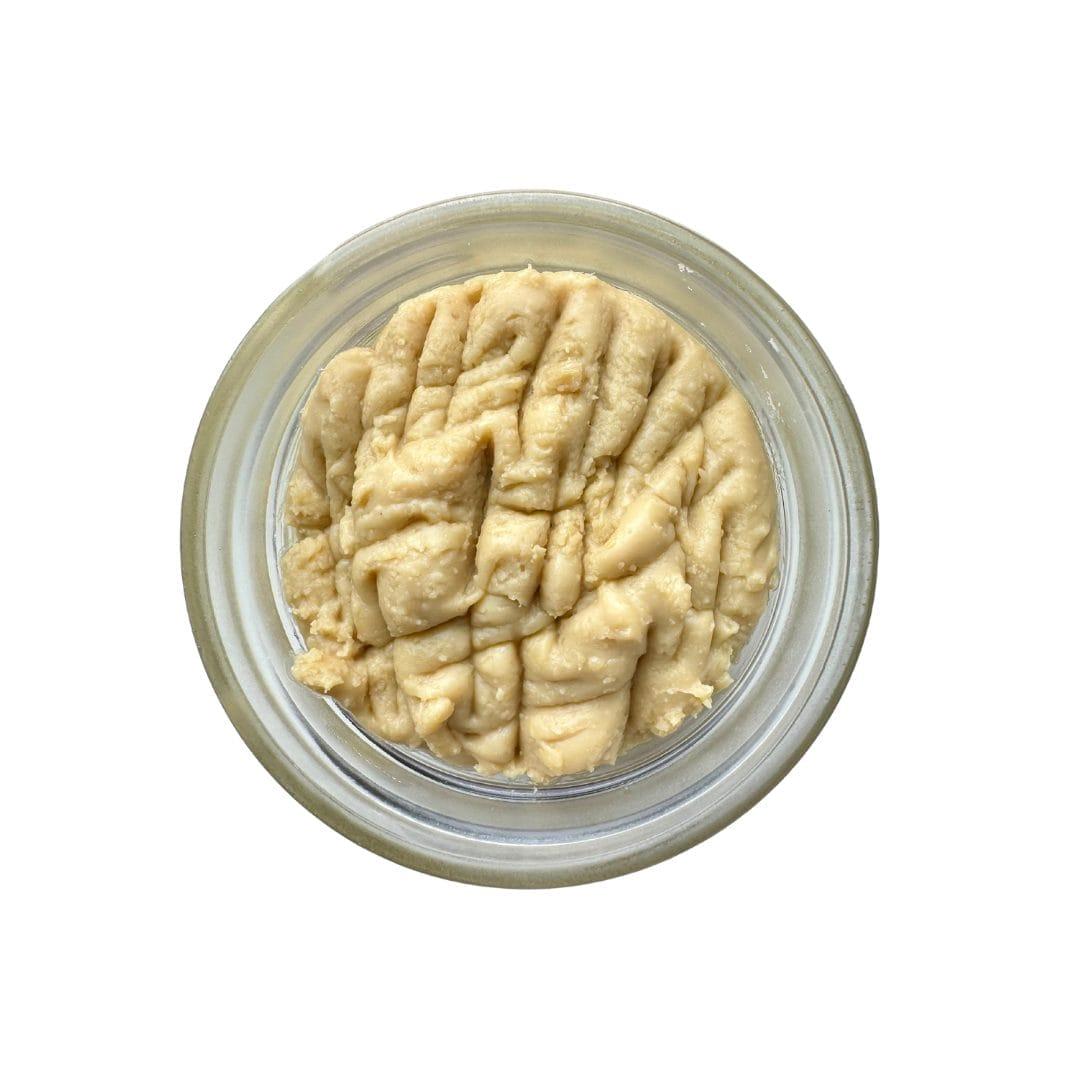
Like any frontier worth exploring, teh THCA market arrives with its own terrain – jagged regulatory peaks, shifting consumer currents, and a patchwork of producers staking claim. This article sets out to be a map: not a travel brochure, but a practical chart that illuminates where the market stands today, how it got here, and which routes look most navigable going forward.
First, we’ll anchor the conversation by defining THCA – the acidic precursor to THC found in raw cannabis – and clarify why it has attracted attention from cultivators, product developers, and investors. From there, we’ll measure the market’s size and growth drivers, surface the recent headlines shaping sentiment, and analyse supply-chain, legal, and consumer trends that influence pricing and product innovation.
Readers can expect data-driven snapshots, balanced commentary on risks and opportunities, and a clear framework for interpreting new developments. Whether you’re a business leader, policymaker, researcher, or curious observer, this guide is meant to help you read the landscape and make sense of where the THCA market might head next.
Estimating Market Size and Growth Drivers with Actionable Forecasts
Sizing the opportunity requires stitching together policy shifts, retail flows and real-world consumption patterns. Using a blended methodology – top-down regulatory adoption curves cross-checked with bottom-up sales samples from dispensaries, e-commerce channels and extractors - the baseline estimate points to a market near $380 million in 2025 under current trajectories. A more optimistic, fast-adoption scenario pushes that toward $520 million, driven primarily by accelerated retail rollouts and improved extraction efficiencies that lower unit costs.
Several clear forces are fueling growth. Key drivers include:
- Legal clarity: incremental legalization and clearer frameworks reduce barrier-to-entry for brands and institutional buyers.
- Consumer wellness trends: demand for non-intoxicating cannabinoids as alternatives to traditional supplements is rising.
- Product innovation: advanced extraction, consistent THCA dosing and novel delivery formats expand use cases.
- Channel expansion: mainstream retail, subscription models and B2B partnerships broaden reach.
| Year | Estimated Market Size (USD millions) | YoY Growth |
|---|---|---|
| 2024 (base) | $310 | – |
| 2025 | $380 | 22.6% |
| 2026 | $470 | 23.7% |
| 2027 | $580 | 23.4% |
| 2028 (upside) | $720 | 24.1% |
Translate these projections into practical plays: prioritize compliance and traceability to avoid regulatory setbacks; invest in standardized formulations and third-party testing to win retail listings; and target B2B supply agreements (edibles, cosmetics, clinical trials) to lock in volume while consumer channels mature. set quarterly triggers tied to licensing milestones and pricing thresholds so forecasts become actionable operational checkpoints rather than static numbers.
Navigating Regulatory Shifts with Compliance Playbooks for Producers and Retailers
Regulatory landscapes around THCA are shifting faster than product portfolios, and businesses that treat compliance as a checkbox will lose shelf space and licensing. Producers need playbooks that translate statutes into daily manufacturing decisions, while retailers need scripts for point-of-sale behaviour, advertising, and recalls. A pragmatic playbook converts ambiguity into repeatable actions – not legalese – so teams can act with confidence when regulators or markets pivot.
Build the guide around clear, auditable components: SOPs for cultivation and extraction, decision trees for borderline testing results, and interaction templates for regulators and consumers. Integrate training modules,a versioned document control system,and routine audit checklists so the playbook is both a how-to and an evidence trail. Automation hooks (lab APIs, inventory flags) help enforce rules without slowing production.
Core modules to include:
- Lab testing and acceptance criteria
- Labeling, potency claims, and THC/THCA disclosure
- Packaging, child-resistant requirements, and warnings
- Age verification, POS restrictions, and marketing limits
- Traceability, reporting cadence, and recall playbook
| Trigger | Immediate Action | owner | Window |
|---|---|---|---|
| New lab limit | Update specs, re-test batch | QA Manager | 48 hours |
| Advertising rule change | Pull creatives, notify stores | Marketing + Legal | 72 hours |
| Positive recall trigger | Initiate recall, inform regulator | Operations Lead | 24 hours |
Supply Chain Resilience and Operational Recommendations to Mitigate risk
The THCA supply chain is a mosaic of agricultural cycles, laboratory workflows and shifting regulatory borders – each node vulnerable to weather, policy, or testing backlogs. Building resilience means turning opacity into visibility: map every touchpoint from seed genetics and harvest windows to extraction capacity and finished-goods warehousing.When you can see where days accumulate, you can prioritize remedies that shorten bottlenecks instead of simply reacting to them.
Operational change should favor simplicity with redundancy. Key actions that yield outsized risk reduction include:
- Diversify sourcing. Maintain a mix of regional growers, extractors and international suppliers to avoid single-point failures.
- Lock in testing partnerships. Pre-qualify multiple compliant labs and stagger sample submissions to avoid bottlenecks during regulatory surges.
- Establish strategic inventory buffers. Hold critical intermediate stocks (crude extract, standardized isolates) sized to cover production during 30-90 day disruptions.
- Automate traceability. Adopt batch-level lot tracking and digital certificates to accelerate recalls and regulatory audits.
- Flex manufacturing capacity. Cross-train operators and modularize production lines so rapid SKU shifts or surge orders are practical.
| Operational KPI | Target | Why it matters |
|---|---|---|
| On-time deliveries | ≥ 95% | Stability for production planning |
| Lead time (supplier) | ≤ 14 days | Limits need for oversized buffers |
| Batch rejection rate | ≤ 2% | protects margins and customer trust |
| Approved suppliers | ≥ 3 per critical input | Reduces single-source risk |
Resilience is institutional, not one-off. Embed scenario planning into quarterly reviews, run supply-stress simulations, and tie contingency triggers to procurement rules. technology – from ERP modules to immutable ledgers for provenance – should support decisions,not replace them. Above all, cultivate trusted partnerships across growers, labs and logistics providers; a nimble network that communicates early and honestly will outlast any single disruption in the evolving THCA market.
Closing Remarks
As the contours of the THCA market come into clearer focus, one thing is certain: this is a landscape defined by rapid change – shifting regulation, evolving consumer preferences, and advancing extraction and testing techniques. Mapping its size and signals today gives us a snapshot that is useful, but not definitive. New data, policy moves, and scientific findings will redraw that map again and again.
For investors, producers, policymakers and researchers alike, the practical takeaway is to pair curiosity with rigor. Monitor reliable market metrics, watch for regulatory updates, and treat emerging headlines as prompts for deeper analysis rather than proof of trend permanence. Where opportunity exists, so do risk and uncertainty; measured strategies and robust due diligence will be the best tools for navigating both.
Ultimately, the THCA market’s next chapters will be written by a mix of science, law and consumer behavior. Staying informed, flexible and evidence-driven will keep stakeholders oriented as landmarks shift. keep the map close, but be ready to redraw the lines.
