
A map folded across a table, a compass needle trembling between state lines – shipping THCA feels a little like plotting a course through shifting territory. Tetrahydrocannabinolic acid (THCA) sits at the intersection of science, law, and logistics: chemically distinct from THC, yet entangled in a web of regulations, carrier policies, and testing standards that change from one jurisdiction to the next.
This guide cuts through the fog. You’ll get a clear overview of the regulatory landscape,the practical steps required to prepare shipments,and the common compliance pitfalls that can turn a routine delivery into a costly headache. We’ll walk through documentation, labeling, testing expectations, carrier relationships, and risk-management strategies so you know what to watch for and how to respond.
Whether you’re a grower, distributor, compliance officer, or carrier, the goal here is pragmatic – not persuasive. Think of this as your navigational chart: a neutral, structured introduction to the rules and realities of moving THCA safely and legally, with signposts toward where to find more detailed legal and regulatory guidance.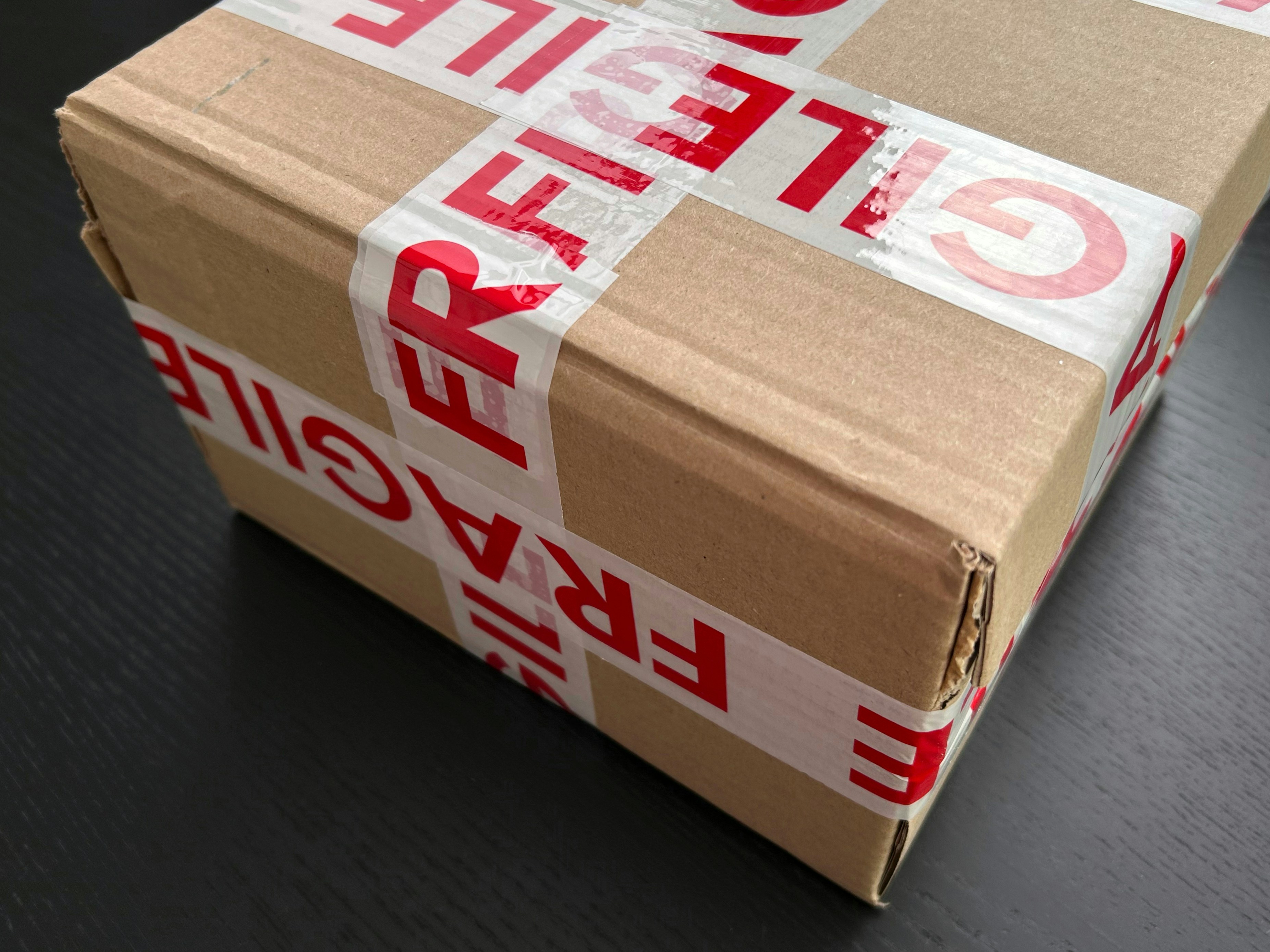
From Lab to Label Testing Thresholds Product Classification and Recordkeeping Requirements
laboratory data is the backbone of compliant THCA commerce. Labs must accurately quantify both Δ9‑THC and THCA as many regulators calculate “total THC” as Δ9‑THC + 0.877 × THCA, and common jurisdictional ceilings (for hemp-derived goods) often cluster around the 0.3% total-THC mark on a dry-weight basis. Proper sampling, validated methods (e.g., HPLC), and third‑party accreditation are the difference between a ship that clears customs and one that gets red‑tagged – so prioritize chain-of-custody protocols and Certificates of Analysis (COAs) that clearly show limits of detection and quantitation.
How a product is classified changes what tests and paperwork follow it. Broad product classes include biomass, processed extracts (oils, distillates), finished consumer goods (vape cartridges, edibles, topicals), and research samples – each has different sample size, stability testing and labeling considerations. Key documents shippers should maintain for every SKU include:
- Certificate of Analysis (COA) with breakdown of Δ9‑THC and THCA
- Chain‑of‑custody and sampling logs
- Product specification sheets and ingredient declarations
- Manufacturer’s batch records and stability notes
recordkeeping isn’t optional – it’s a shipping passport. Most businesses adopt digital document management with immutable timestamps so audits are painless.Keep not only passing COAs but also raw lab data, shipping manifests, purchase invoices, corrective action reports, and customer complaints.regulators commonly expect records to be retained for 2-5 years, but always confirm specific state or country mandates and be prepared to produce records quickly during inspections or seizure events.
| Product Type | Typical Test Focus | Speedy Doc Checklist |
|---|---|---|
| Raw biomass | Δ9, THCA, moisture | COA, harvest log |
| Extracts / distillate | Δ9, THCA, residual solvents | COA, batch record |
| Finished goods | Total THC, potency, contaminants | COA, label spec |
wrapping Up
Closing the map on THCA shipping compliance doesn’t mean the journey ends – it means you’re better equipped for the next mile. With a clear understanding of legal definitions,testing and documentation requirements,carrier expectations,and record‑keeping best practices,you can move product with more confidence and fewer surprises.
Treat compliance as a navigational compass, not a final destination: monitor regulatory updates, confirm agreements with carriers and labs, and seek specialized counsel when a route looks uncertain. Small, consistent steps – accurate labeling, clean paperwork, and timely testing – will keep you on course.
Whether you’re just starting out or refining an established operation, use this guide as a steady reference point.Regulations change, markets shift, and new questions will arise – staying informed and deliberate is the best way to keep shipments moving forward.