


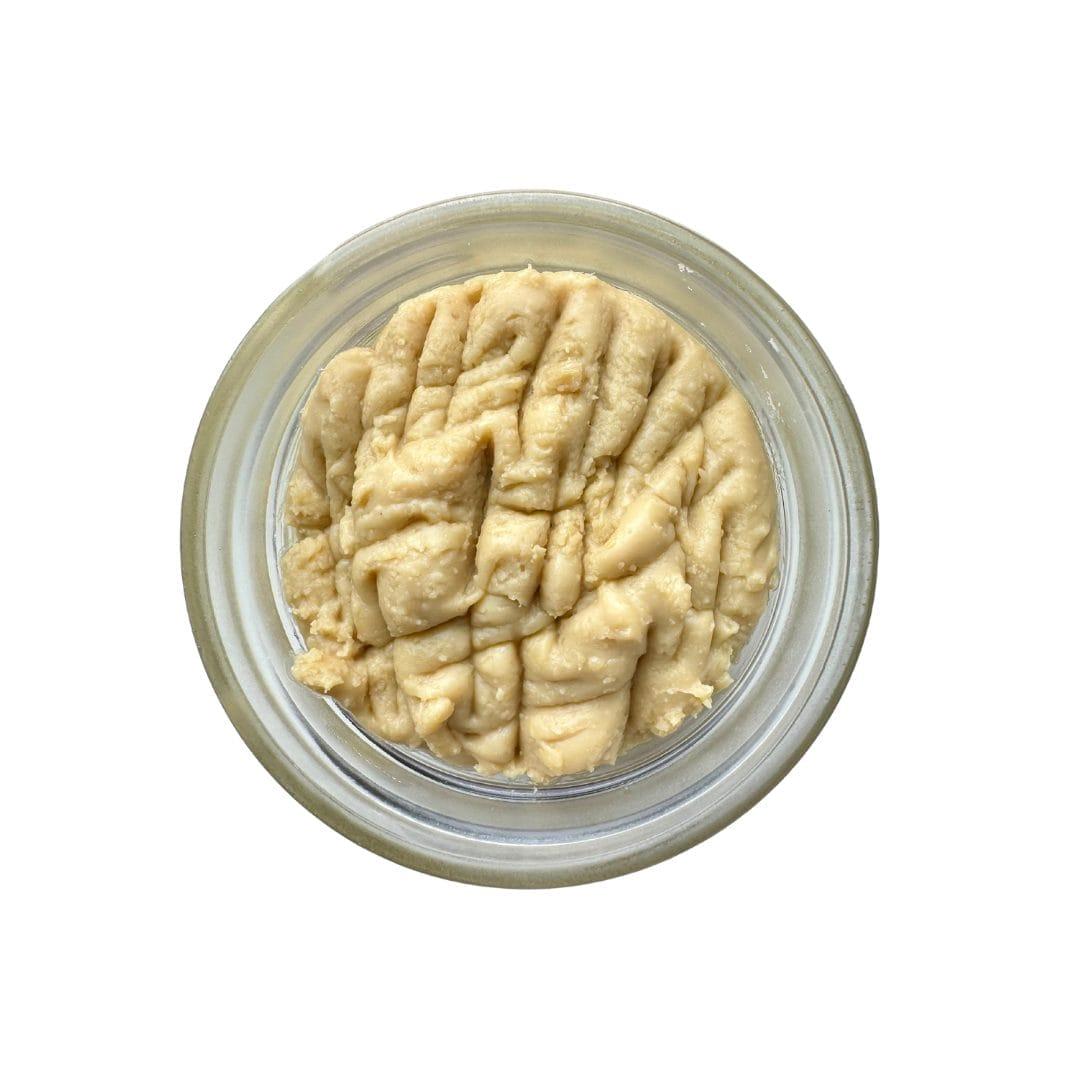
Like a commodity chart drawn in green and amber, the per-pound price of THCA moves with the seasons, the labs and the law. this Market Value Snapshot peels back that shifting surface to reveal the currents beneath: supply gluts and shortages, regional harvests, product form (biomass, concentrate, crystalline), and the testing and purity standards that buyers and sellers use to assign value. Whether you picture industrial pallets of biomass, gleaming jars of concentrate, or the fine powder of isolate, each form carries its own market logic-and its own price per pound.
This introduction will guide readers through the practical anatomy of THCA pricing: what “per-pound” means in different commercial contexts, the primary forces that push prices up or down, and the data signals traders, processors, and manufacturers watch most closely. It doesn’t promise crystal-ball forecasts, onyl a clear, neutral look at how current conditions are reflected in wholesale quotes and what trends to watch next.If you’re involved in sourcing, selling, or using THCA-rich material, the pages that follow aim to provide a concise, market-focused compass-helping you interpret price sheets, compare quality-adjusted offers, and understand the near-term factors likely to reshape per-pound valuations.
Per Pound THCA Market Snapshot and Key price Drivers for Buyers and Sellers
The per‑pound landscape is split by quality tiers and compliance certainty – prices swing fast when labs, regs or harvest cycles shift. typical wholesale bands today fall into clear segments driven by THCA potency and Certificate of Analysis (COA) openness. Below is a compact snapshot to orient negotiations and inventory decisions.
| Quality Tier | THCA Range | Indicative $/lb |
|---|---|---|
| Entry / Biomass | <50% | $400-$800 |
| Mid‑grade Extract | 50-85% | $800-$1,600 |
| High Purity | 85-95% | $1,600-$3,200 |
| Crystalline / Isolate | >95% | $3,500-$8,000+ |
buyers typically shop with a checklist in hand: COA credibility, batch traceability, and lead time are the top levers that reduce risk and justify premium pricing. Other practical drivers include:
- Contract length: spot buys carry premiums; multi‑month commitments unlock discounts.
- Payment terms: faster payment or escrow reduces seller risk and can shave dollars per pound.
- Logistics & storage: cold storage or expedited freight needs are priced into offers.
Sellers compete on consistency and paperwork: a reliable COA, documented chain of custody and compliant packaging often win over slightly higher potency promises. key seller levers include:
- Quality control: single‑lot uniformity commands higher bids than mixed batches.
- Regulatory posture: proactive testing and recall readiness lower buyer discounting.
- Market timing: hitting the market right after harvest floods capacity and can compress prices - timing equals optionality.
Regulatory Compliance and Testing Requirements with Cost Management Strategies
The regulatory terrain for wholesale THCA moves quickly - jurisdictions layer their own limits on top of federal guidance, and buyer specifications often demand more than the bare minimum. Labs will typically run panels for potency, heavy metals, pesticides, mycotoxins and residual solvents before a lot clears for sale. Failing any one metric can mean a costly hold, mandated remediation, or a refused shipment, so compliance is not just paperwork: it is indeed an operational gatekeeper that determines whether a per-pound lot reaches market value at all.
Batch handling, sampling protocols, and chain-of-custody documentation are as notable as the assays themselves. Choose labs with clear turnaround guarantees and ISO accreditations to reduce variability, and require Certificates of Analysis (COAs) that include limits of quantification and methods used. Typical documentation and testing steps include:
- Validated sample collection with traceable IDs
- Third-party potency and contaminant panels
- Retained samples for dispute resolution
- COA version control for each outbound lot
cost management becomes a strategic playbook rather than a line-item exercise. Some effective levers are pooled sampling for homogeneous lots, negotiating volume discounts with accredited labs, and integrating rapid in-house screening to flag obvious failures before paying for full panels. Consider the trade-offs: cheaper,slower labs can erode margins through delays and rejected loads,while premium labs may command a fee that counts for only a small percentage of the per-pound revenue but substantially increases buyer confidence.
| Service | Estimated Cost per lb (approx.) | Turnaround |
|---|---|---|
| Basic COA (potency + key contaminants) | $3-$8 | 2-4 days |
| Expanded Panel (full pesticides + solvents) | $8-$18 | 3-7 days |
| Compliance Audit + Traceability Review | $20-$35 | 7-14 days |
Mitigation equals margin protection: insurance for recalls, contractual clauses allocating testing liability, and a small premium on fully certified lots are practical ways to absorb occasional noncompliance costs while signaling quality to buyers. Build these elements into pricing models so testing becomes a predictable cost center - not an unexpected hit – and you preserve the per-pound value buyers are willing to pay for reliably compliant THCA product.
Concluding Remarks
Like any good snapshot, the per-pound THCA wholesale picture we’ve sketched here captures a moment – one shaped by supply flows, extraction economics, purity standards, regional regulation and buyer appetite. Prices reflect more than chemistry: they’re the sum of harvest cycles, lab testing, logistics, taxes and the risk premium traders are willing to accept. Understanding those moving parts is what turns a number into usable insight.
Having mentioned that, a single market value shouldn’t be treated as gospel. quality variance, testing methodology, form (crude vs.distillate), batch size and contract terms can all swing effective costs substantially. regulatory shifts and sudden changes in consumer or industrial demand can compress or expand margins faster than spot quotes adjust. Practically, rigorous due diligence - consistent lab verification, clear chain-of-custody, thoughtful storage and risk management – will protect buyers and sellers better than relying on headline per‑pound figures alone.
Use this snapshot as a reference point: a navigational aid for pricing conversations, budgeting and scenario planning. Combine it with ongoing market monitoring, tight vendor agreements and contingency plans for regulatory or supply disruptions.As the market evolves, so will the metrics you need – keep tracking, keep testing, and let this per‑pound view inform but not dictate your strategy.
