


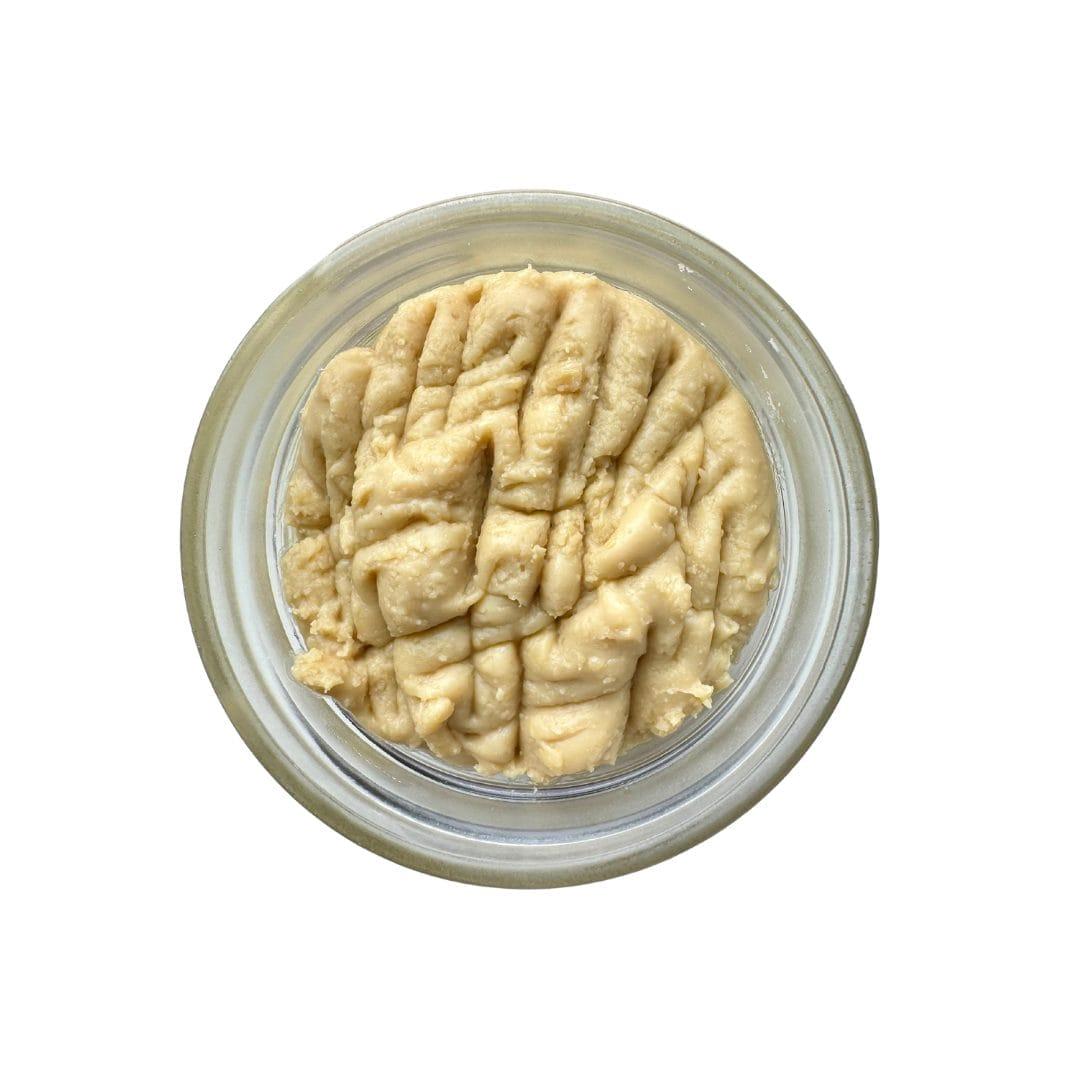
Like weather patterns that shift from coast to coast, the market for THCA (tetrahydrocannabinolic acid) unfurls differently across regions - a mosaic of prices, preferences, and legal contours that shape what buyers and sellers actually pay. Whether quoted by the gram for craft consumers or by the pound for commercial traders,THCA pricing carries the imprint of local cultivation practices,testing standards,supply chains,and regulatory frameworks. Understanding those regional fingerprints is essential for anyone navigating this evolving marketplace.
This article takes a panoramic yet detail-oriented look at per-gram and per-pound pricing dynamics for THCA, exploring how geography, scale, and quality intersect to determine value. From coastal metropolitan hubs where small-batch flower commands a premium to inland distribution centers that drive bulk discounts, we’ll map the forces behind price disparities and highlight the metrics buyers and sellers use to benchmark worth.
Neutral in tone and practical in focus, the piece aims to equip readers with a clear framework for interpreting quotes, comparing markets, and anticipating shifts. Expect trend snapshots, key drivers of price variation, and considerations for both retail and wholesale actors - a regional tour of a market where every gram and every pound tells a different story.
Cost Modeling and Margin Benchmarks Producers Distributors and Retailers Should Use
When building a pricing model for THCA by the gram and by the pound, start from the floor: calculate the true break-even at every node of the chain. That means layering fixed cultivation and extraction costs, variable inputs (electricity, nutrients, solvents), compliance and testing fees, packaging, and expected shrinkage. Use per-gram granularity for daily operations and per-pound for bulk contracting-both views reveal different leverage points for margin betterment.
Key drivers to capture in your spreadsheet include:
- Cultivation & extraction – labor, media, yields per pound
- Testing & compliance - certificates, batch retests, recall reserves
- Packaging & labeling - unit cost at per-gram scale
- Logistics & storage – distribution shrink and freight per-lb
- Taxes & fees - excise, state-specific levies that bump retail price
To align pricing with market realities, use these benchmark buckets as a starting point and stress-test them for scale and regulation changes. below is a simple regional benchmark showing break-even, target margin, and typical pricing along the chain. these are illustrative-adjust for local taxes,wholesale density,and brand premium.
| Role | Break-even (per-gram / per-pound) |
Target Margin | Typical Price to Next Stage (per-gram / per-pound) |
|---|---|---|---|
| Producer | $0.60 / $272 | ~35% | $0.85 / $386 |
| Distributor | $0.95 / $432 | ~20% | $1.15 / $522 |
| Retailer | $1.40 / $635 | ~40% | $2.00 / $907 |
embed an automated sensitivity tab in your model so you can flip taxes, yield, and shrinkage assumptions quickly. Use local sales data to calibrate a rolling 90-day benchmark, and keep one eye on bulk per-pound deals and the other on per-gram retail elasticity-both determine whether you chase volume or protect margin.
Key takeaways
Like any market shaped by patchwork laws,local tastes and shifting supply chains,the regional THCA landscape resists one-size-fits-all answers. Per-gram and per-pound figures are useful snapshots, but they’re only the beginning: quality, testing, legal frameworks, and logistics all fold into the final tab you see on a quote or a lab report. Reading prices alongside provenance and potency gives a clearer picture than numbers alone.For buyers and sellers alike, the practical takeaway is steady vigilance. Keep region-specific data at hand, factor in taxes and compliance costs, and prioritize verified testing and transparent sourcing over the lowest headline price. Whether your comparing small-batch grams or negotiating pound-level deals, context-local regulation, seasonal yields and market demand-will determine real value more than any single metric.
the regional THCA market will continue to evolve as laws shift, consumer preferences mature and the supply chain adapts.Treat per-gram and per-pound pricing as guideposts rather than gospel, stay informed, and let regional nuance steer your decisions.
