


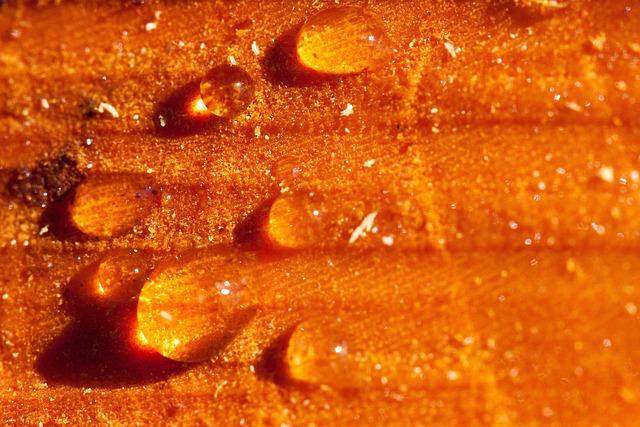
Hot, bright, and layered with scent-Sativa-forward live resin glass tip joints aim to capture that frist morning rush of citrus and pine and deliver it in a form that puts terpene clarity front and center. Born where artisanal extraction meets rolling-room craft, these pre-rolls pair live resin’s solvent-extracted terpene profile with high-THCA flower and a glass tip designed to preserve flavor and feel. The result is a product category that reads like a study in contrasts: laboratory precision married to an old-school ritual.This introduction explores what “sativa-forward” means in practice, why live resin and THCA matter to connoisseurs, and how a glass tip changes the smoking experiance. Rather than broad claims about effects, the piece focuses on the sensory and technical qualities that distinguish these joints-aroma, terpene preservation, strain selection, and the mechanics of premium assembly-so readers can understand what they’re buying or sampling.
Throughout, the tone stays practical and curious: informed without being clinical, appreciative without being promotional. If you’re interested in how modern extraction and design influence flavor and ritual, or simply want to know what to expect from a sativa-leaning, terpene-rich pre-roll, this article will walk through the craft, the chemistry, and the consumer considerations-alongside a brief note on responsible use and legal context where these products are available.
understanding Sativa Forward Live Resin and What Sets Premium THCA Glass Tip Joints Apart
The bright, citrus-forward lift of a sativa-dominant live resin is more than a flavor note-it’s a snapshot of the plant’s terpene fingerprint captured at harvest. As live resin is made from flash-frozen flower, those delicate aromatics remain intact, translating into an immediate, layered aroma and a perceptible clarity on inhale. When that live resin is paired with THCA-rich flower and presented in a glass-tip joint, the result is a cleaner delivery of both terpenes and cannabinoids, preserving nuance that many pre-rolls lose during processing.
What elevates a premium joint is found in the details:
- Terpene fidelity: Live resin maintains volatile terpenes,giving sharper citrus,pine,or floral notes.
- Cooler draw: A glass tip insulates heat and prevents the charred-paper aftertaste.
- Potency integrity: THCA remains stable until consumption, offering a potent, consistent experience.
- Craft and consistency: Even burn, tight roll, and visible resin coating signal care in production.
Rapid comparison for clarity:
| Attribute | Standard Pre-roll | Premium THCA Glass Tip Joint |
|---|---|---|
| Terpene Retention | Moderate | High (live resin) |
| Draw quality | variable | Cool and smooth |
| Potency | Typical | Elevated (THCA-enhanced) |
| Presentation | Basic | Refined, reusable tip |
The consumer takeaway is simple: seek openness and sensory fidelity. Labels that list terpene profiles,harvest dates,and lab results help you identify genuine live-resin builds and verified THCA levels. In practice, the difference shows up as a livelier aroma, a focused sativa lift rather than muddied notes, and a ritual that feels intentional-lighting something made to showcase a strain, not to hide it. Bold choices like choosing glass tips and live-resin-filled wraps are less about flash and more about preserving the plant’s voice.
How Extraction and Curing Methods Influence THCA Crystallization Flavor and Smoothness
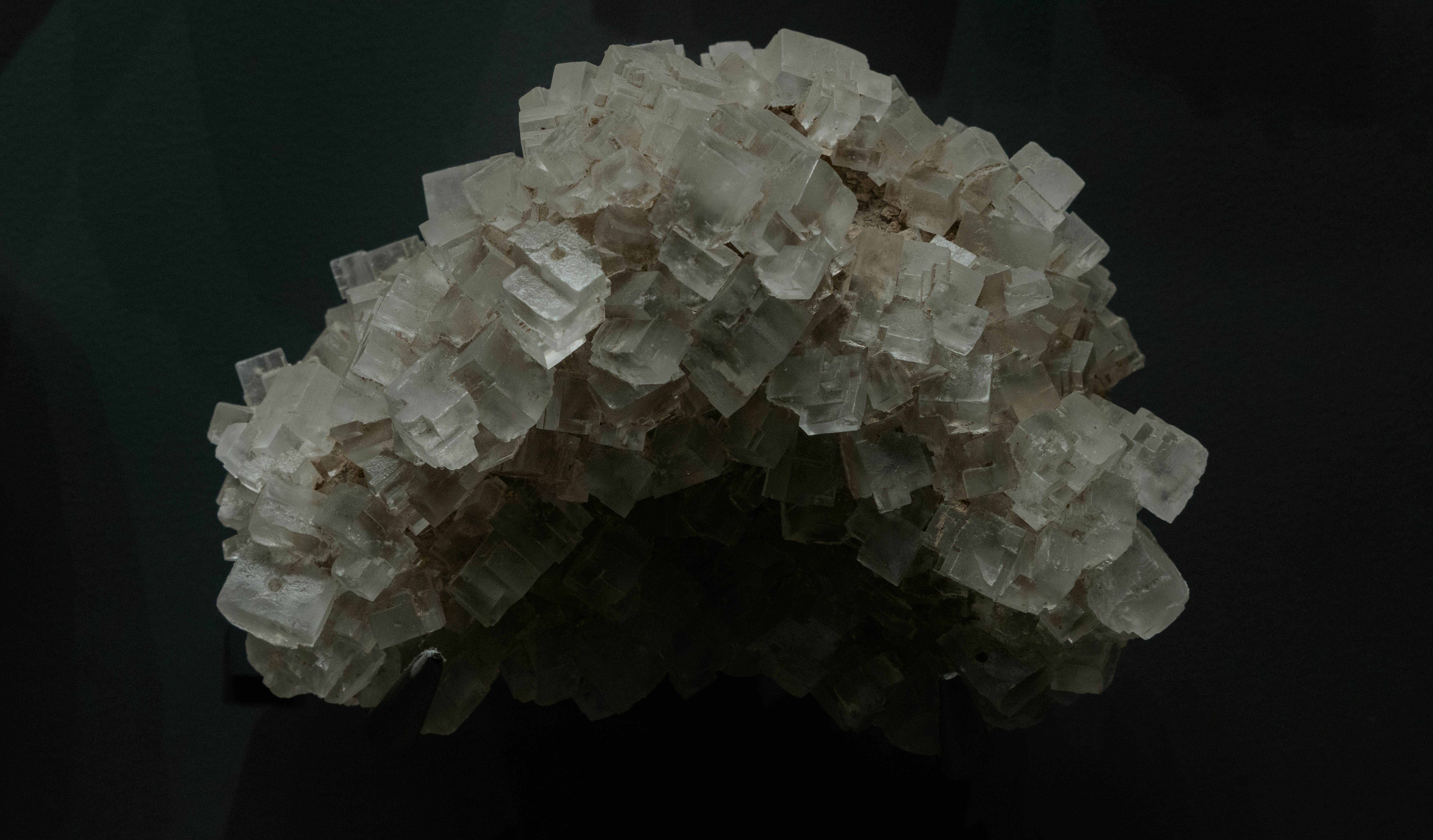
Think of extraction and post-processing like a chef coaxing texture from chocolate – temperature, timing, and handling decide whether you end up with velvety shards or a gritty crumble. Cold hydrocarbon extraction of fresh-frozen material locks in a high terpene profile while concentrating THCA into an environment that favors rapid nucleation and formation of glossy crystals. By contrast, CO2 and ethanol routes often carry different polarities and residuals that can slow or irregularize crystal growth unless followed by careful winterization and filtration. Fresh-frozen inputs, low-temperature purges, and minimal lipid carryover are the backbone of true, clean THCA crystallization.
Curing is where chemistry becomes craft. Controlled dwell times, precise heat cycles, and gentle agitation encourage larger, purer crystal lattices that feel smoother on the palate. Overzealous heat or incomplete purging leaves behind waxes and solvent traces that translate to throat irritation and muted aromas. Practical levers extractors use include:
- Temperature staging – slow ramps to promote uniform crystals
- Winterization – removing fats to sharpen flavor and texture
- Terpene reintroduction – balancing potency with aromatic brightness
Each step shifts the equilibrium between potency, terpene presence, and the tactile quality of the final glass-tip joint.
Flavor and smoothness are ultimately a duet between terpene fidelity and crystal purity: preserved terpenes sing bright citrus or pine without the bite of residual lipids, while large, pure THCA diamonds vaporize cleanly and dampen harshness. The quick table below highlights common extraction outcomes in plain terms, so you can see how method choices steer the end experience.
| Method | Terpene Preservation | Crystallization Tendency | Smoothness |
|---|---|---|---|
| Hydrocarbon (live resin) | High | Fast, clean diamonds | Very smooth when purged |
| CO2 | Moderate | Slower, amorphous resins | Clean but less flavorful |
| Ethanol | Variable | Inhibited without winterization | Can be harsh if unrefined |
Storage Handling and Freshness Practices to Preserve Terpene Integrity and Potency
Terpenes are the aromatic soul of any sativa-forward live resin joint, but they’re also excruciatingly delicate. Heat,light and oxygen conspire to strip away nuanced citrus,pine and floral notes long before you’re ready to enjoy them. The glass tip is an elegant guardian for flavor, yet it can’t do the preservation work alone-thoughtful storage and minimal handling are the true preservatives of potency and profile.
Adopt a handful of simple rituals to keep terpene integrity intact:
- Keep it cool and dark-store away from windows, bright lamps and heat sources.
- Seal out oxygen using airtight jars or tubes; consider vacuum or inert-gas packing for longer shelf life.
- Limit humidity swings to protect paper and resin; stable RH prevents terpene loss and degradation.
- handle sparingly-touching the resin or frequently opening containers accelerates evaporation and contamination.
These habits preserve the live resin’s high notes so every draw remains true to the sativa-forward character you expect.
For extended storage, the freezer can be your ally but only when done correctly: vacuum-seal or double-bag to eliminate moisture and oxygen before freezing, then thaw in a cool, sealed container to avoid condensation. Short-term stashing is best in a cool cupboard or a dedicated humidor-sized container fitted with a 55-62% RH packet if your joints contain delicate flower. When transporting,keep tubes upright and cushioned-jostling can smear resin and expose fresh surfaces to air.
| Aspect | Ideal Condition | Why It Matters |
|---|---|---|
| Temperature | 4-15°C (short-term) | Slows terpene evaporation |
| Humidity | 55-62% RH | Protects paper & resin balance |
| Light | Complete darkness | Prevents terpene breakdown |
| Packaging | Airtight glass or sealed tube | Minimizes oxygen exposure |
By making these practices routine-proper sealing, controlled climate and gentle handling-you’ll maintain the potency and aromatic complexity that define premium THCA glass tip joints.
Safety Lab Results and Practical Consumer Checklist for Verifying Authentic Premium Live Resin Joints
When assessing a premium live resin joint, autonomous lab testing is the backbone of safety and authenticity. Look for a downloadable Certificate of Analysis (COA) from an ISO-accredited lab that shows a clear terpene profile and cannabinoid breakdown. A trustworthy COA will list THCA/THC percentages, total cannabinoids, and explicit results for residual solvents, pesticides, heavy metals, and microbial contaminants. Transparency about harvest and extraction dates also helps confirm freshness-live resin should reflect a vibrant terpene fingerprint rather than a flat, generic profile.
| Analyte | Typical Safe Range | Why It Matters |
|---|---|---|
| THCA / Total Cannabinoids | 40-80% (concentrate-based) | Confirms potency and that concentrate was used |
| Residual Solvents | ND-Trace (below lab limits) | Ensures clean extraction-no solvents left |
| Pesticides & Microbials | ND (non-detect) | Protects against contaminants that affect health |
Before you buy,run through this quick,practical checklist to verify authenticity and safety:
- COA verification: Scan QR or search batch number-confirm lab accreditation and dates.
- Match label to COA: Potency and terpene names should align with the packaging.
- Packaging cues: Tamper-evident seals, clear lot codes, and a glass tip indicator are red flags of quality.
- smell & appearance: Bright, aromatic terpenes and visible resin suggests true live resin; musty or chemical odors are warning signs.
- Retailer transparency: Prefer dispensaries that post lab results and staff educate on COAs.
know how to interpret what you see: a COA with non-detectable solvents and pesticides plus a rich terpene profile is a strong indicator of premium live resin. If numbers don’t add up or a COA is missing, ask the retailer for the lot-specific report or opt for another product-safety and clarity are part of the premium experience, not optional extras.
To Conclude
Like a glass-tipped flashlight cutting through morning fog, sativa-forward live resin THCA joints offer a focused, terpene-rich way to experience the brighter side of the plant. Premium materials and careful extraction can highlight nuanced flavors and lift, but the true appeal is how they put craft and clarity into a single, shareable moment. As always,enjoy thoughtfully: start low,be mindful of setting and local laws,and let the experience inform what you choose next.

