



Rosin arrived on the scene like a quiet revolution – a way to coax the plantS aromatic and cannabinoid riches out of flower or hash without solvents, using nothing more than heat and pressure. In the world of concentrates, solventless THCA rosin occupies a particular niche: it preserves the raw, acidic cannabinoid profile of the plant while retaining a broad bouquet of terpenes and minor cannabinoids, delivering a “full-spectrum” fingerprint of the original material.
This guide takes a lab-tested approach.Rather than leaning on marketing language,we’ll look at what independent testing reveals about potency,terpene composition,decarboxylation status,and contaminant risk – and why those metrics matter whether you’re a curious consumer,a cultivator refining technique,or a processor considering solventless workflows. We’ll unpack the science behind THCA and rosin production, show you how to read lab reports, and lay out best practices for storage, dosing, and safety.
Consider this an evidence-first map to solventless THCA rosin: part technical primer, part practical handbook, and part toolkit for interpreting the numbers that separate hype from reality. By the end, you shoudl be able to assess a rosin product with confidence and understand how lab data informs quality, consistency, and responsible use.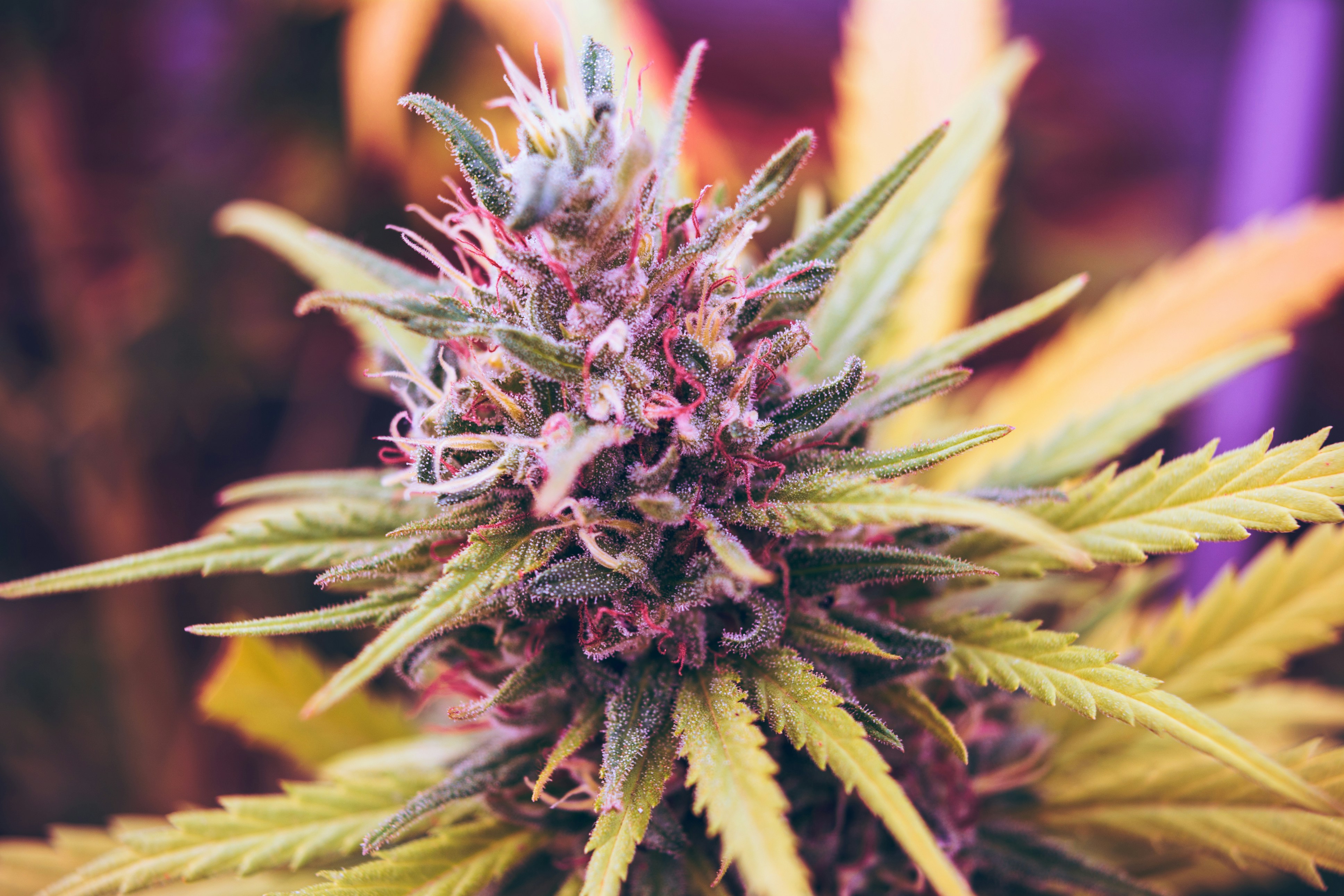
Choosing Starting Material: Flower Versus live Resin and Harvest Timing for Peak Terpene Retention
Choosing the raw material is the single biggest determinant of a solventless rosin’s aroma and sensory fidelity.Cured flower delivers a stable, mellow terpene expression-think rounded citrus or earth tones-as drying and curing allow minor terpenes to bloom and harsh volatiles to dissipate. In contrast, fresh-frozen material preserves the plant’s volatile headspace; pressing fresh-frozen (the live-resin route) can produce a brighter, more vibrant terpene bouquet straight out of the bag. Both paths can produce lab-tested, full-spectrum THCA rosin-what changes is the character and volatility of the terpenes you capture.
Timing the harvest is as notable as choosing flower type. For maximum terpene retention, pick when trichomes show peak maturity: predominantly cloudy with a few ambers for a balanced cannabinoid-to-terpene profile, or slightly more cloudy if you prize energetic terpenes. Harvest time of day matters too-early morning often yields cooler, more robust terpene concentrations, while late-afternoon harvests may carry higher sugars and moisture. If heading the fresh-frozen route, flash-freeze immediately on harvest to lock in volatile compounds; any delay or slow-chill step will bleed off the aromatic top notes you’re trying to preserve.
- Handling: Cured flower tolerates room-temperature handling; fresh-frozen demands sub-zero logistics.
- Yield vs. Flavor: Cured flower can give slightly higher, cleaner yields; fresh-frozen sacrifices a bit of yield for punchier terpene fidelity.
- press Parameters: Lower temps and shorter dwell favor terpene preservation for both inputs-especially critical for live-frozen rosin.
| Feature | Cured Flower | Fresh-Frozen |
|---|---|---|
| Terpene Profile | Rounded, aged | Vibrant, top-note forward |
| Handling Ease | Simple | Cold-chain required |
| Ideal Press Temp | 90-120°C | 70-100°C |
| Best For | consistent batches | max terpene intensity |
Whatever route you choose, pair yoru selection with rigorous lab testing and batch tracking. Routine terpene and cannabinoid assays let you quantify what your senses tell you, helping dial harvest timing, freezing practices, and press settings to repeat the exact full-spectrum profile you want. The goal isn’t one “best” input; it’s a reproducible process that safeguards the aromatic soul of the plant while maximizing THCA integrity.

Pressing Parameters That Matter: temperature Pressure and Dwell Time for High Yield and Clean Profiles
Dialing in the triad of temperature, pressure and dwell time is where craft becomes science.Tiny shifts change terpene retention, crystal formation, color and overall yield - often together. In solventless THCA rosin work the goal is a high-yield, lab-clean profile that still sings with volatile aromatics; that balance is found by treating each parameter not as an isolated dial but as an interactive system. Think of temperature as the tone, pressure as the force, and dwell as the rhythm-together they compose the final extract.
Practical rules from lab-tested batches:
- Temperature: lower temps (160-180°F / 70-82°C) preserve terpenes and favor sugar/crystal textures; higher temps (200-220°F / 93-104°C) boost yield but darken and can decarboxylate THCA into THC.
- Pressure: use measured, progressive force – gentle initial compression then ramp up. Typical home-to-small commercial presses operate in the 2-8 ton range (actual PSI depends on platen area); over-pressing will squeeze chlorophyll and lipids into the cup.
- Dwell time: short bursts (30-90 seconds) at lower temps keep clarity and terpene profile; longer dwells (2-4 minutes) increase extraction from dense material but risk color and off-notes.
These aren’t rigid laws but starting points-always record one variable at a time and send samples for lab analysis to see how minor changes affect cannabinoid and terpene assays.
For fast reference, here’s a compact lab-style cheat sheet with common material types and tested parameter windows:
| Material | Temp (°F / °C) | Pressure (tons) | Dwell |
|---|---|---|---|
| Dry Flower | 180-200°F / 82-93°C | 2-4 | 30-90 s |
| Fresh/Frozen Live Resin Hash | 140-170°F / 60-77°C | 2-6 | 60-180 s |
| Washed bubble Hash | 190-220°F / 88-104°C | 3-8 | 30-120 s |
To chase a clean, high-yield profile: preheat material briefly, use micron-appropriate bags, employ a two-stage press (short initial press + colder second squeeze), and keep meticulous lab records. The smallest controlled tweak often delivers the biggest leap in lab-proven quality.
In Retrospect
As the press cools and the last bead of rosin settles, what remains is more than a concentrate – it’s a meeting of craft and chemistry. Solventless THCA rosin, when approached through a full-spectrum, lab-tested lens, offers a clearer picture of what’s inside the jar: terpene profiles, cannabinoid ratios, and the hard data that separates artful extraction from guesswork.
This guide aimed to bridge sensory appreciation and scientific verification, showing how third-party testing and transparent COAs can transform trust into confidence. whether you’re a curious consumer, a cultivator refining technique, or a retailer building a responsible catalog, the principles are the same: prioritize verified purity, respect local laws, and favor suppliers who let the data speak.
In an evolving marketplace,lab-tested full-spectrum rosin stands as a reminder that quality is measurable and decision-making can be informed. Keep asking for the facts, savor the nuances responsibly, and let science and craftsmanship continue to raise the standard.

