


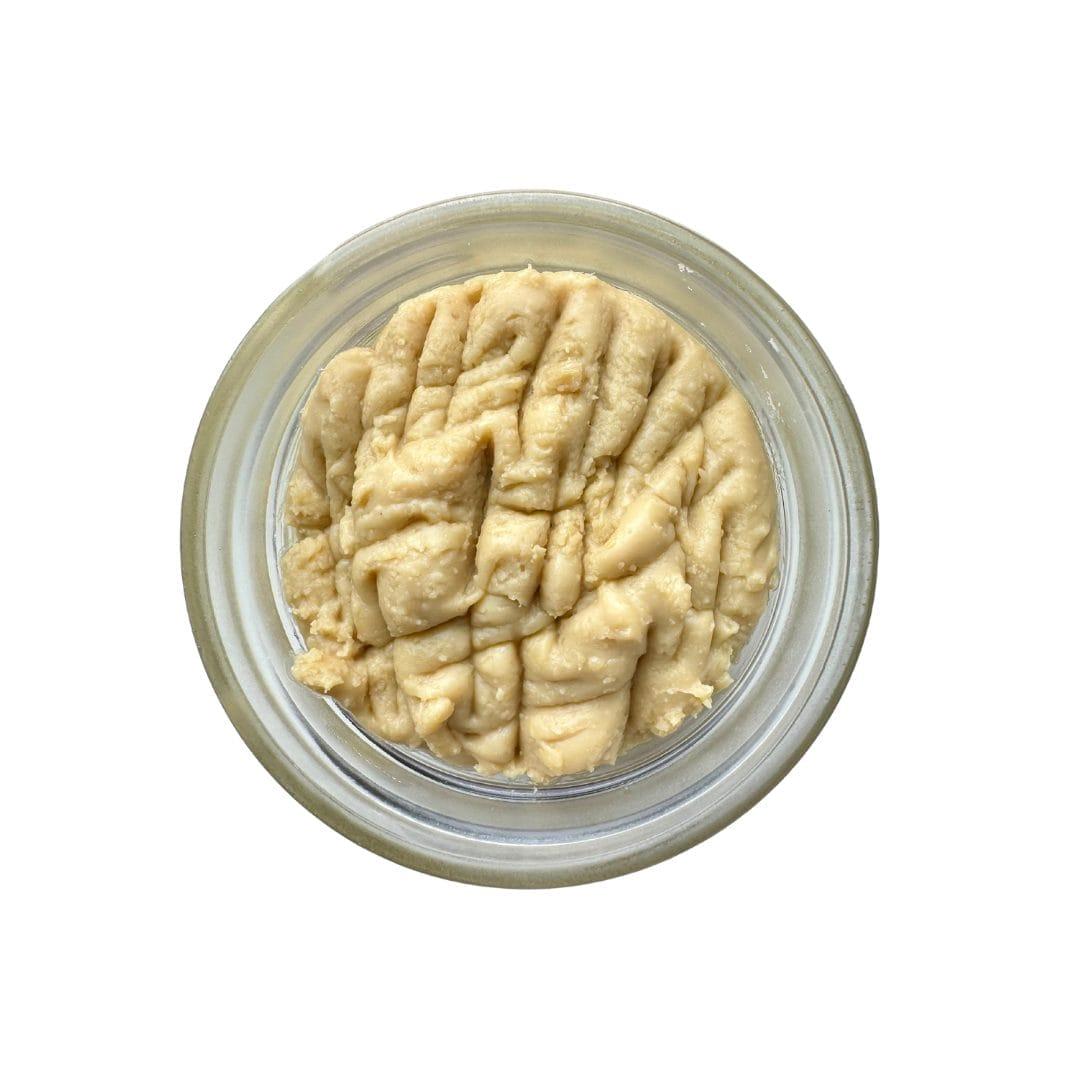
Like a patchwork quilt stitched from statutes,storefront signs and shifting consumer tastes,the U.S. THCa market is equal parts local culture and regulatory experiment. THCa – the non-intoxicating acidic precursor of THC found in raw cannabis – has moved from botanical footnote to commercial category in some states, spawning a variety of products, supply chains and business models that look vrey different from one jurisdiction to the next.
This article, “state-by-state THCa Market: By Product Type & Trends,” maps that uneven terrain. We’ll break down where THCa products are appearing and in what forms – flower,concentrates,tinctures,vapes,and novel consumables – and track how availability correlates with state rules,license types and retail formats. along the way we’ll highlight emerging consumer preferences, pricing and distribution trends, and the operational and compliance pressures that shape which products gain traction.
Read on for a guided tour of the market’s hotspots and slow lanes, practical data snapshots that illuminate regional differences, and a look at the innovations and regulatory shifts most likely to influence the next chapter of the THCa story. Whether you’re an industry observer,regulator or curious consumer,this state-by-state view provides the context needed to understand where the market stands today and where it might be headed.
Medical Use Adult Use Interplay and Compliance Best Practices: tailoring products and operations to state rules
Where medical programs overlap with adult-use markets, successful brands think in dual tracks: products that serve patient needs (precise dosing, pharmaceutical-style delivery, clear cannabinoid profiles) and products that cater to recreational buyers (novel formats, impulse-friendly packaging, trend-forward potency).This interplay shapes assortment decisions-labs, formulators and compliance teams must anticipate divergent expectations while preventing cross-contamination of SKUs, promotional messaging and distribution channels. The result is a market where the same active molecule is presented and regulated in very different ways depending on the purchaser.
Compliance is not a one-size-fits-all checklist; it’s an operational architecture. Build SOPs that encode state-specific limits for THCa potency per serving and per package, testing thresholds, terpene disclosure, and packaging tamper/child-resistant requirements. Invest in robust batch tracking and API-ready METRC-style systems so products can be quarantined, recall-traced and exported to reporting platforms without manual reconciliation.Train retail and fulfillment teams on differential selling rules-tax exemptions for medical patients, age-verification flows for adult sales, and permitted point-of-sale promotions.
- Ingredient & Potency Controls: Lock formulations to state caps and keep a “medical potency” lane with measured dosing and lab-verified COAs.
- Packaging & Labeling: Use variant-specific art files and SKU barcodes to ensure only compliant packaging ships to each market.
- Inventory Segregation: Physically and digitally separate medical vs. adult-use stock to prevent cross-distribution errors.
- Pricing & Tax Strategy: Automate tax class assignment; consider separate pricing tiers for patient subsidies or reimbursement programs.
- Patient & Consumer Education: Provide clear dosing guides, onset/offset expectations and storage instructions tailored to each audience.
| Representative State Type | Max THCa per Unit | pack Size Limit | Testing & Track |
|---|---|---|---|
| Medical-first (State A) | 50 mg | 10 units/pack | Quarterly audits, patient registry |
| Adult-use (State B) | 10 mg | 5 units/pack | Mandatory COA + real-time tracking |
| Hybrid (State C) | 25 mg | 8 units/pack | COA & separate inventory lanes |
Emerging Consumption Trends and Product Innovation: product development and marketing recommendations by region
Regionally, consumers are writing new rules for how thca is discovered and consumed. On the West Coast, curiosity for craft, terpene-forward experiences pushes innovation toward boutique flower, rosin, and high-potency concentrates.The Northeast favors discretion and ritual-microdosed gummies, tinctures and low-profile pre-rolls sell well in urban corridors. In the Midwest, practicality and value drive interest in multi-serve formats and functional blends (sleep, focus, recovery), while the South remains price- and compliance-sensitive, leaning toward educational products that pair THCa with familiar, non-intoxicating adjuncts.
design product lines with those nuances in mind. Consider thes development pivots by market:
- West Coast: small-batch cultivars,single-source branding,sustainable packaging and high-precision dosing for connoisseurs.
- Northeast: discreet, portable formats, broad flavour palettes, and clear microdose labeling to fit commuter lifestyles.
- Midwest: value-focused bundles, seasonal flavor drops, and function-first formulations with straightforward claims.
- South: compliance-first ingredient lists, robust testing openness, and educational copy that eases regulatory concerns.
| Region | Fast-growing formats | Product focus | Marketing angle |
|---|---|---|---|
| West Coast | Rosin,boutique flower | Terpene provenance | Experience-led storytelling |
| Northeast | Microdose gummies,tinctures | Discretion + consistency | Urban wellness positioning |
| Midwest | Multi-packs,functional blends | Value & utility | Local partnerships |
| South | Edible hybrids,compliant topicals | Transparency & safety | Education-first outreach |
Marketing shoudl follow both mood and mandate: lean into experiential retail and sustainability stories where culture is primary,use discreet e‑commerce and subscription models where convenience rules,and deploy clear educational campaigns in jurisdictions with regulatory friction. Tactics that work across markets include robust third-party testing badges, segmented messaging (wellness vs. recreation), and local influencer partnerships that reflect community norms-each tailored to the regional voice rather than a one-size-fits-all playbook.
The Conclusion
as the map of THCa commerce unfolds, what emerges is less a single national story than a mosaic of local markets – each state threading its own mix of product preferences, regulatory contours, and consumer behaviors. From concentrates and vapes that dominate some markets to flower,edibles,and topicals that find stronger footholds elsewhere,the state-by-state picture underscores how product type,price,testing standards,and access shape demand in distinct ways.
For businesses, regulators, and researchers, that variability is both a challenge and an possibility: it rewards nimble strategies, rigorous data collection, and close attention to shifting rules. Investors and policymakers should watch not only sales figures but also lab-testing practices, labeling standards, and enforcement trends, as those factors will influence consumer trust and market stability as much as raw demand.
Trends will continue to ebb and flow as legislation, science, and consumer tastes evolve.Keeping the focus on transparent data, consistent quality, and local context will be essential for anyone navigating the THCa landscape. understanding this market requires patience,curiosity,and the willingness to read the fine print on a map that’s still being drawn.
