


A single molecule can complicate a nationS rules. THCA – tetrahydrocannabinolic acid, the nonpsychoactive precursor to THC – sits at the intersection of chemistry, commerce, and statute, forcing regulators to translate laboratory nuance into luminous-line legal criteria. As hemp markets expand and analytical methods evolve, questions about how to measure and regulate THCA have rippled outward from testing labs to statehouses and courthouses.Nowhere is that tension more visible than in California, a state with deep agricultural roots, a massive cannabis economy, and a regulatory apparatus that often shapes national conversation. California’s approach to hemp and cannabis testing, enforcement, and marketplace oversight illustrates the practical frictions between the 2018 Farm Bill’s federal definition of hemp and states’ efforts to protect consumers and preserve market integrity.
This article traces that landscape: the science behind THCA and its legal implications, the contours of federal hemp law, and how California’s policies and court decisions have influenced – and been influenced by – the broader U.S. policy debate. Neutral and grounded in fact, the piece aims to clarify why a laboratory compound has become a pivotal issue in the evolving story of American cannabis regulation.
Unpacking THCA under the Farm Bill: legal ambiguities and clear fixes regulators should adopt
THCA lives in a legal grey zone because the statute that freed hemp is tethered to a simple chemical threshold – 0.3% Δ9‑THC on a dry weight basis – while modern cannabinoid chemistry refuses to be that tidy.Laboratories detect THCA separately from Δ9‑THC, but THCA converts to Δ9‑THC when heated, eaten, or improperly processed, raising questions about whether “total” THC should be measured before or after decarboxylation. Regulators face a practical puzzle: preserve the spirit of hemp legality without creating pathways that let psychoactive products masquerade as compliant hemp.
Practical fixes are straightforward and administrable if regulators choose clarity over ambiguity. At minimum, rule‑makers should adopt a single, nationally consistent testing standard that specifies whether results reflect post‑decarboxylation “total THC” or raw cannabinoid content, and supply a mandatory conversion factor for THCA → Δ9‑THC. Other useful reforms include:
- Standardized testing protocols with accredited methods and blind proficiency testing for labs.
- Clear labeling requirements that separate raw THCA content from activated THC equivalents.
- Safe‑harbor provisions for producers who transparently follow certified methods.
- Interstate transport rules preventing enforcement whiplash when crossing state lines.
California is uniquely positioned to pilot pragmatic solutions: its regulatory ecosystem can require decarboxylation‑aware testing for retail products while allowing raw THCA use in industrial or research contexts under strict controls. By investing in lab training, provenance tracking, and consumer disclosure, the state can protect public health without suppressing innovation. What matters most: measurable,enforceable standards that treat chemistry,not label claims,as the source of legal truth.
| Ambiguity | Regulatory fix |
|---|---|
| Which THC measure counts? | Mandate post‑decarboxylation “total THC” with published conversion factor |
| Mixed state vs.federal rules | Safe‑harbor for compliant, certified producers crossing state lines |
| Consumer labeling confusion | Separate THCA and active THC fields on labels |

Packaging, Labeling, and Consumer Safety: recommended best practices to reduce confusion and protect public health
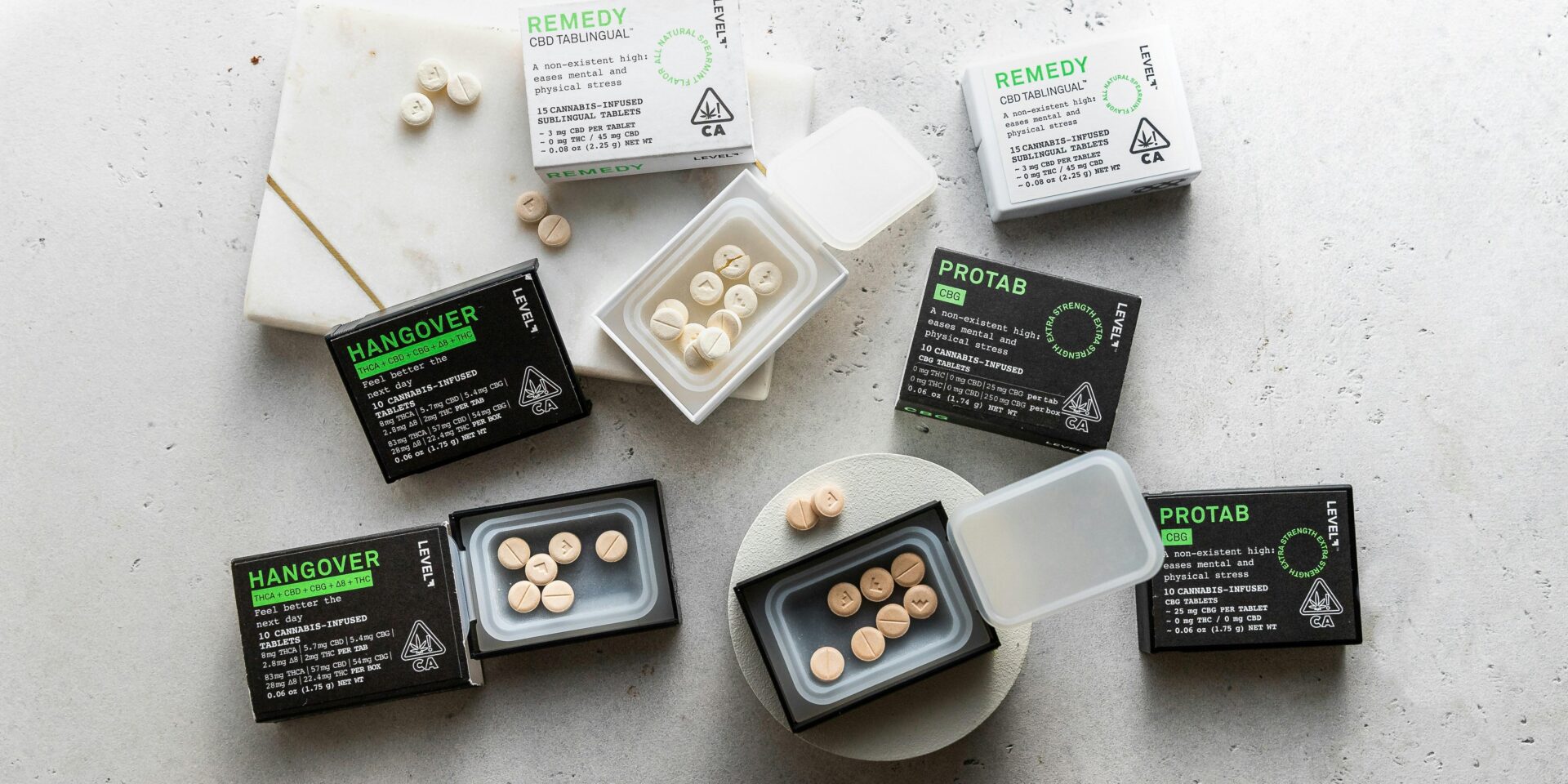
Products that sit at the intersection of hemp chemistry and consumer use demand packaging that speaks plainly. As THCA can convert to psychoactive THC under heat, labels should emphasize the chemical state and likely effects rather than relying on shorthand or evocative branding. Clear, legible information – not stylistic frills – reduces accidental intoxication and empowers buyers to make informed choices. Accurate cannabinoid disclosure and a prominent statement about whether lab testing confirms compliance with federal and state delta‑9 limits should be front-and-center.
Practical label elements cut confusion and protect health. At minimum, a compliant package should include:
- Potency breakdown: mg per serving and total mg per package for THCA, THC, CBD.
- COA access: QR code or short URL to a certificate of analysis and batch number.
- Usage directions: serving size, onset time expectations, and maximum daily intake.
- Safety warnings: child-resistant notices, pregnancy warnings, and “do not drive or operate heavy machinery” language.
- Storage and disposal: conditions to preserve product integrity and keep away from children/pets.
| Label Element | Purpose | Example |
|---|---|---|
| Servings & mg | Prevent overconsumption | 10 servings × 5 mg THCA |
| QR to COA | Verify purity & contaminants | Scan for lab report |
| Child‑resistant icon | Immediate visual safety cue | Padlock symbol |
Beyond labels, the package itself is part of the safety system. Use tamper-evident seals, opaque or UV-protective materials to prevent degradation, and standardized, high-contrast typography for readability. Keep marketing separate from factual information-avoid imagery or phrasing that suggests medical benefits unless supported by approved claims. industry alignment on icons,units (mg),and bilingual text where appropriate will minimize cross-state confusion and make responsible consumption easier for everyone.

Bridging the Gap between State and Federal Policy: legislative and administrative options for harmonizing hemp law
california’s evolving market for THCA-rich hemp products sits uneasily beside a federal framework built around delta-9 thresholds and plant-level definitions. The result is regulatory friction: producers and retailers face uncertainty about testing methods, interstate shipment, and criminal exposure when non-psychoactive acids convert to regulated cannabinoids. This disconnect creates economic inefficiencies and legal risk even where state regulators and consumers pursue a harm-reduction,public-health approach.
Legislative fixes can create durable clarity. Options include:
- Targeted statutory definitions – Congress could distinguish THCA from delta-9 in federal statutes, specifying conversion factors and what counts as regulated THC.
- Amend the farm Bill – A narrow amendment could set tolerances for acidic cannabinoids and exempt certain processing outcomes from hemp prohibitions.
- Interstate compacts – States could form agreements recognizing each other’s testing standards to facilitate commerce without waiting for federal action.
- Preemption safeguards – Federal language that allows state public-health stricter rules while harmonizing basic commerce definitions would reduce conflict.
these statutory paths prioritize predictability for growers,labs,and retailers while preserving state experimentation.
Administrative tools are faster and often more practical in the near term.agencies can:
- Publish testing guidance – USDA or an interagency panel can endorse validated methods and conversion formulas for THCA-to-THC calculations.
- Issue FDA labeling guidance – Clear labeling and marketing rules for acid-form cannabinoids would protect consumers and reduce enforcement disparities.
- Negotiate cooperative agreements – Federal agencies can pilot joint oversight programs with California to align enforcement and safety protocols.
- Use waiver authority – Where available, administrative waivers can allow state-level pilots that inform national rulemaking.
Administrative harmonization reduces litigation pressure and creates a consistent baseline for interstate trade.
For California, a pragmatic roadmap blends regulatory rigor with federal engagement: strengthen laboratory accreditation, adopt clear in-state conversion standards, and pursue cooperative pilots with federal agencies while supporting targeted federal amendments. A simplified snapshot:
| Path | Lead | Immediate Benefit |
|---|---|---|
| State lab standards | California | Reliable test results |
| Interagency pilot | State + USDA/FDA | Aligned enforcement |
| Farm Bill amendment | Congress | national clarity |
Combining these levers-statutory clarity, agency guidance, and cooperative state-federal programs-creates a pathway where innovation, public safety, and commerce can coexist without costly legal ambiguity.
Closing Remarks
As the dust settles on statutes and lab reports alike, THCA sits like morning fog along California’s coast – visible, shifting, and refracting light differently depending on where you stand. The state’s patchwork of rules, enforcement priorities and consumer markets makes it both a testing ground and a mirror for national debates about how hemp and its chemically related compounds should be treated.
What happens next will be driven by science, court rulings, industry adaptation and the slow churn of policymaking. Whether viewed as a regulatory puzzle, a commercial chance or a public‑health question, THCA’s place in U.S.hemp law will keep evolving – and California will remain a prominent chapter in that story. Keep watching the data, the cases and the rulebooks; clarity will come, piece by piece.

