


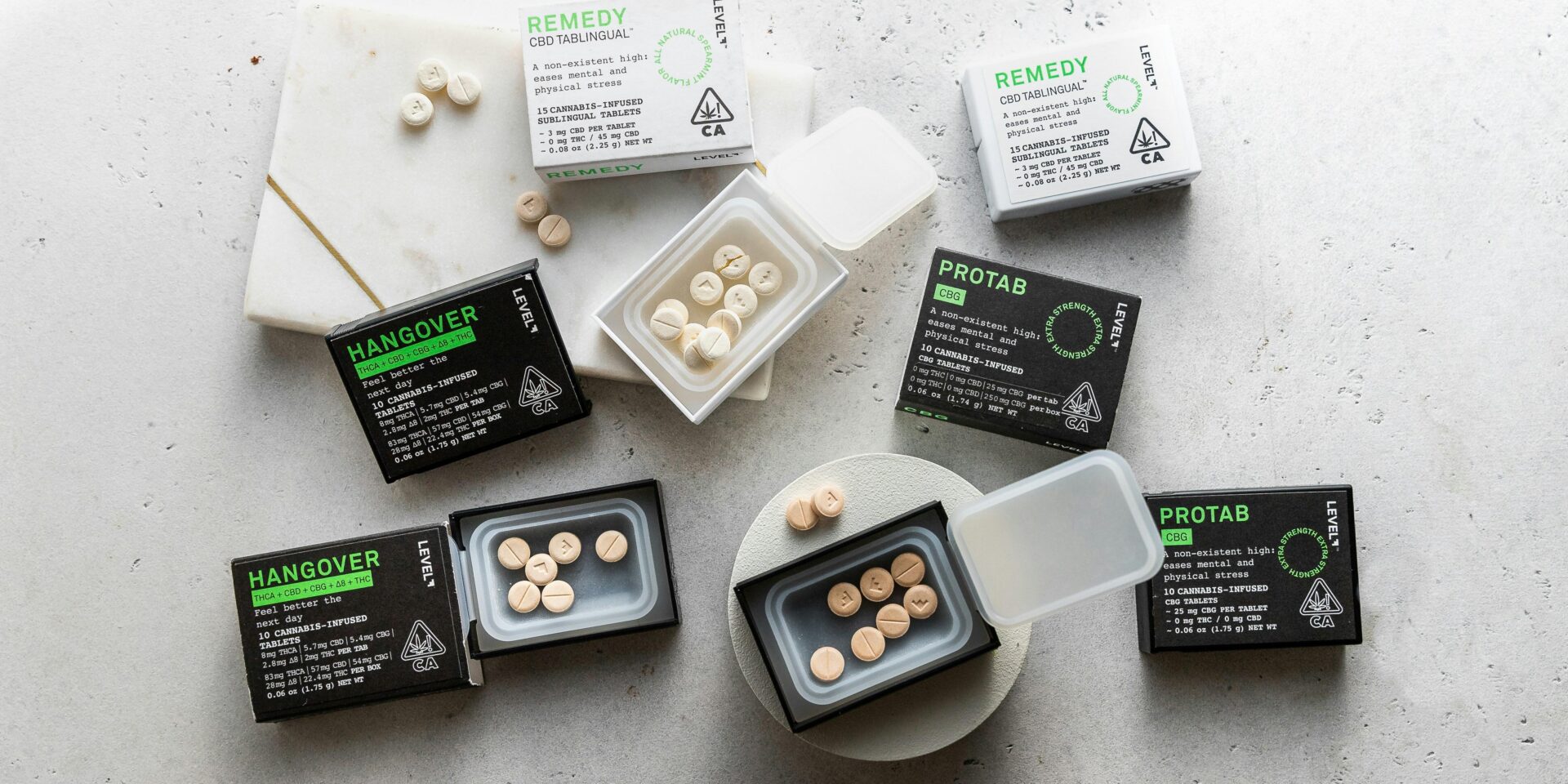
imagine a storefront stacked not with wine or soda, but with neat rows of boxes and cartridges labeled THCA – a new kind of inventory reshaping shelves and online carts alike. “THCA by the Case: Vapes, Prerolls and More” opens the door on that evolving marketplace, were chemistry, convenience and packaging meet to create a surprising variety of formats, from sleek disposable vapes to pre-rolled joints and concentrated cartridges.
THCA itself is the molecular starting point for many familiar cannabis experiences, and manufacturers are experimenting with ways to present it: raw flower, refined concentrates, and ready-to-use products designed for different preferences and occasions. buying “by the case” reflects more than bulk economics; it signals trends in retail, branding, and consumer expectations – uniform potency claims, lab certificates, and standardized dosing are now part of the conversation.
This article walks through the formats you’re likely to encounter, the market forces driving bulk purchasing, and the practical considerations – labeling, testing, safety and regulation – that matter whether you’re stocking a dispensary or simply curious about the next wave of cannabinoid products. Neutral and detail-focused, it aims to clarify what THCA options look like today and what to watch for tomorrow.
Inside THCA: The Chemistry, Effects, and Why Raw Cannabinoids Change the Vaping and Preroll Experience
At the molecular level, this cannabinoid arrives on the scene as an acidic precursor-stable, fragile and uninterested in getting you high until heat has its way. The carboxyl group that defines it is indeed removed through decarboxylation, a chemical shrug that converts it into the familiar, psychoactive compound most consumers know. In raw form it sits on the plant like potential energy: aromatic, full of terpenes, and biologically distinct from its decarbed counterpart.
That biochemical difference yields real-world consequences for aroma, onset and sensation. Low-heat vaporization and cold extraction can preserve the fragile molecules and the full terpene bouquet, while higher temperatures or open flame quickly flip the switch to intoxication. Consider these practical takeaways:
- Low-temp vaping – preserves THCA and terpenes; milder, more flavor-forward.
- High-temp vaping / combustion – converts THCA to THC rapidly; stronger psychoactive effects.
- Prerolls with concentrates – allow manufacturers to layer THCA-rich extracts for delayed activation and intensified burn profiles.
The result is a new palette for product designers. Raw concentrates, crystalline isolates and live resins let brands dial in potency, flavor and onset with greater specificity: keep consumers tasting terpenes and experiencing subtle, non-intoxicating effects, or deliberately trigger conversion for a stronger hit. For the user, that means prerolls and cartridges can be engineered to deliver either a nuanced, floral draw or an immediate, heavy effect depending on temperature, paper or coil design – a mechanical way of writing the chemistry into the experience.
| Attribute | Raw THCA | Decarbed THC |
|---|---|---|
| Intoxication | Non-intoxicating (until heated) | Psychoactive |
| Flavor | Terpene-forward | Muted terpenes after heat |
| Typical use | Infusions, low-temp vapes, specialty prerolls | Standard vapes, joints, edibles |
Stay mindful of lab testing, product labels and device temperatures-those are the levers that translate chemistry into a predictable, enjoyable session.

Usage and Dosing Guidance for Vaping Versus Smoking THCA: Onset, Duration and Microdosing Strategies
Heat changes everything with THCA – it’s the spark that turns a raw molecule into an active experience. In practice that means inhalation methods deliver a fast onset (ofen within 1-10 minutes) and a relatively short peak: most users notice effects rise and fall within 1-3 hours. Vaping usually offers finer control because you can dial temperature and take measured puffs,while smoking a preroll brings a more variable hit from combustion and paper. Remember: lower temperatures tend to preserve delicate terpene profiles and can produce a cleaner,more nuanced onset; higher temps push more complete decarboxylation and a stronger peak.
Microdosing with inhalation is more about pacing than math. A practical approach is to take a single, gentle inhalation and wait – give yourself at least 10-15 minutes before considering another. For vapes,prefer short draws (about 1-2 seconds) at lower power; for prerolls,take one purposeful puff and hold only long enough to feel it before exhaling. Keep a small notebook or note on your phone: track device setting, number of puffs, and how you felt 15 and 60 minutes later so you can fine-tune your increments.
- Start low: one short inhale or one puff.
- Wait: 10-15 minutes before repeating.
- Control temp: lower temps for gentle onset, higher for fuller effect.
- Log it: dose, device setting, and subjective effect.
For rapid reference, here’s a compact comparison you can use when deciding how to proceed:
| Method | First-session Strategy | Expected Peak |
|---|---|---|
| Vape (low temp) | 1 short puff; wait 10-15 min | Gentle, focused (45-90 min) |
| Vape (high temp) | 1 short puff; reassess at 10 min | Stronger, fuller (1-3 hr) |
| Preroll | 1 puff; wait 15 min | Variable; can be harsher (1-3 hr) |
respect variability: tolerance, body weight, and concurrent substances change the curve. If you’re experimenting with a microdosing regimen, keep sessions short, consistent, and documented. The most reliable mantra remains simple and bold: start small, wait long, adjust slowly.

Smart Bulk Buying: Cost Per Dose Calculations, Shelf Life Management and Negotiating with Suppliers
When you break a case down to the smallest usable unit, the math becomes empowering: divide the case cost by total usable doses to reveal the true number buyers care about – the cost per dose. For vapes that list puffs per cartridge or prerolls that estimate milligrams per joint, convert those metrics into a standard dose (for example, 5 mg THCA) and include packaging, taxes, and freight in your denominator. This gives you an apples-to-apples comparison across formats and helps prioritize inventory that maximizes margin without sacrificing quality.
A quick comparison table can clarify choices at a glance – factor in case price, units per case, estimated doses per unit and the resulting price per dose.Use it during ordering meetings or to justify stocking decisions to partners.
| Product | Case Price | Units/case | Doses/Unit | Cost/Dose |
|---|---|---|---|---|
| Disposable Vape | $1,200 | 24 | 200 | $0.25 |
| Pre-roll Box | $480 | 48 | 1 (per roll) | $10.00 |
| Bulk Flower (1 kg) | $2,800 | 1 | 560 doses | $5.00 |
Shelf life is more than a calendar date – it’s a rotation system. Implement clear labeling with received and best-by dates, keep climate-controlled storage for cartridges and flower, and prioritize FIFO for high-potency SKUs. Best practices often include:
- Temperature control: 15-21°C for most extracts and cartridges.
- Light protection: opaque packaging to prevent degradation.
- Batch testing: spot-check potency quarterly to validate shelf assumptions.
Negotiations win on readiness and flexibility. Lead with forecasted volumes and expected cadence to get tiered pricing, ask for trial runs or discounted startup pallets, and negotiate payment terms that preserve cash flow-net-30 or partial prepay for scale. Protect margins by defining acceptance criteria in the contract (potency, batch variance, lead times) so discounts don’t disappear into unforeseen rejections. A supplier who understands your cost-per-dose targets becomes a strategic partner, not just a vendor.
To conclude
As the shelves empty and the last case is set aside, THCA’s march from lab benches to dispensary displays feels less like a fad and more like a turning point. Whether you’re scanning labels, weighing product formats, or simply curious about what all the buzz means, the landscape of vapes, prerolls and thier cousins is a reminder that innovation and regulation are moving in tandem – sometimes fast, sometimes cautiously.
There’s no single “right” way to engage with these products; your choices will be shaped by local laws, personal priorities and the evolving science behind cannabinoids. Keep asking questions, read beyond the packaging, and let safety and context guide your curiosity.
If nothing else, THCA by the case illustrates how a single compound can open a wide conversation about consumption, commerce and culture. Stay informed, stay prudent, and watch this space – it’s still unfolding.

