



As the 2025 calendar edges closer, one of cannabis’ quieter molecules-tetrahydrocannabinolic acid, or THCA-finds itself at the center of a fast-shifting legal landscape. Long regarded as the non-intoxicating precursor to THC, THCA has recently attracted attention from regulators, lawmakers, scientists, and businesses alike. In California, where cannabis policy has frequently enough set the tone for the rest of the nation, the coming year promises a mix of clarifications, new rules, and enforcement priorities that could change how THCA is produced, tested, marketed, and sold.
California’s regulatory ecosystem is complex: state agencies, municipal rules, lab testing standards, and federal ambiguity all overlap. For growers, manufacturers, retailers, laboratories, and consumers, the 2025 changes will mean rethinking processes, labels, supply chains, and risk calculations. rather than a single overhaul, expect a series of technical updates and enforcement shifts that will require careful interpretation and practical adjustments across the industry.
This article will map the key 2025 developments affecting THCA in California, translating regulatory language into clear implications for stakeholders. We’ll walk through what’s changing, why it matters, and how businesses and consumers can prepare-without offering legal advice, but with an eye toward the compliance questions and real-world decisions that will define the next chapter of California’s cannabis story.


Mapping California’s evolving THCA landscape and implications for growers, retailers and patients
California’s regulatory horizon is shifting as 2025 brings clarified rules around THCA products. While THCA itself is non-intoxicating until decarboxylation occurs, the new regulatory framing treats it with heightened scrutiny-especially where labelling, potency reporting, and transport intersect with THC thresholds. For stakeholders this means adapting from a permissive novelty to a compliance-focused product category: documentation, chain-of-custody, and validated testing will become routine rather than optional.
Growers face immediate operational choices: adjust cultivation and harvest timing to influence THCA concentrations, invest in compliant testing workflows, and revisit SOPs for drying and storage to control accidental decarboxylation. Practical steps include:
- Implementing batch-level THCA testing and traceability
- Updating post-harvest protocols to minimize heat exposure
- Training staff on new labeling and documentation requirements
Retailers must translate scientific nuance into clear consumer-facing facts.Expect consumer questions about potency, legality, and safety; retailers who proactively educate shoppers and enforce verified sourcing will reduce compliance risk and build trust. Key retail priorities are quality assurance,accurate shelf labeling,and conservative display claims-paired with internal processes to quarantine questionable lots pending re-test.
| Stakeholder | 2025 Focus | Quick Tip |
|---|---|---|
| Growers | Traceability & lab compliance | Log batches, temp, and drying time |
| Retailers | Labeling & consumer education | Show lab QR codes at point of sale |
| Patients | Access & dosing clarity | Choose licensed products with reports |

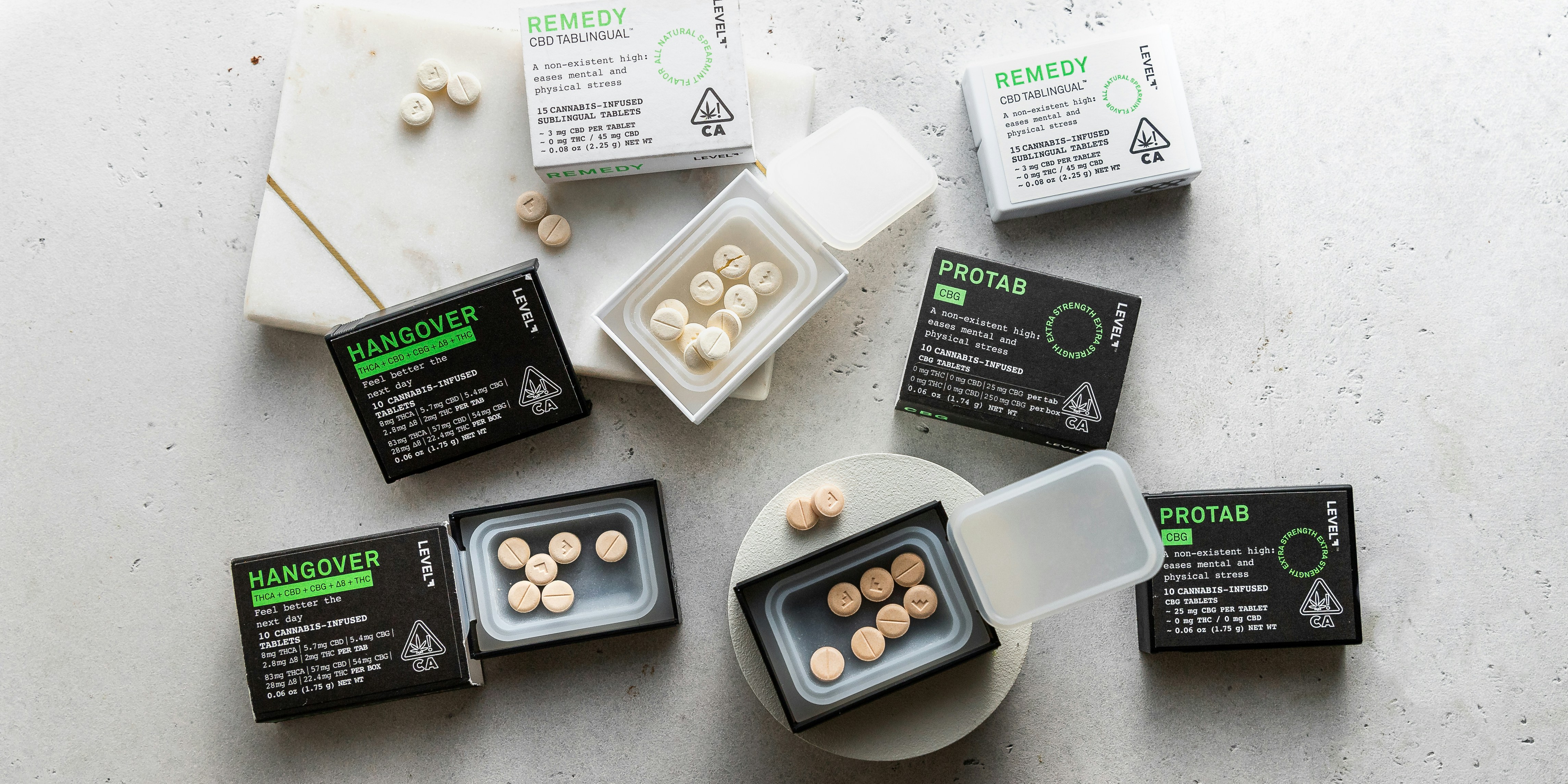
Protecting patient access and consumer safety while aligning with updated public health standards
As California moves into 2025, the legal landscape around THCA shifts from abstract policy into everyday practice. Lawmakers, clinicians and retailers must reconcile two goals at once: keep proven medical options reachable for patients who rely on botanically derived therapeutics, and ensure every product on the shelf meets rising public-health expectations.This requires pragmatic rule-making that privileges continuity of care-things like streamlined licensing renewals, telehealth pathways and limited exemptions for verified medical users-without creating loopholes that weaken safety.
Concrete consumer protections will hinge on layered safeguards. Expect stronger requirements for third-party laboratory testing, clearer and standardized labeling of potency and serving size, mandatory child-resistant packaging, and robust traceability from cultivation to retail.retail staff training and verified patient registries should be treated as essential infrastructure, not optional extras; when education and transparency are built in, public confidence follows and unintended harms decline.
Actionable steps stakeholders can take now include:
- Collaborate across agencies to align inspection and reporting standards.
- Prioritize access by protecting medical dispensing channels during regulatory transitions.
- Invest in lab capacity and real-time recall systems to catch problems early.
- Engage patients and community groups in drafting consumer-facing communications.
| Policy | Expected Impact |
|---|---|
| Mandatory potency labels | Safer dosing, fewer adverse events |
| Fast-track medical exemptions | Uninterrupted patient access |
| Nationwide-style recall protocol | Quicker removal of unsafe batches |
Regulation that is clear, enforceable and adaptable will protect health without creating needless barriers. Ongoing data collection and stakeholder feedback should be baked into the system so standards can evolve with scientific understanding and real-world experience.


Operational readiness checklist including audits, validated testing protocols and traceability documentation
Prepare a pragmatic, lawyer-proof playbook that transforms compliance anxiety into operational muscle. start by mapping core responsibilities, timelines and acceptance criteria so every stakeholder knows the finish line. Key action items to embed into daily operations include:
- Documented SOPs for receiving, testing, packaging and disposal with version control and revision dates.
- Named owners for each requirement – compliance,production,QA,and lab - with escalation paths.
- Training sign-offs and competency logs tied to role-based tasks and annual refresh schedules.
Design an audit cadence that is both proactive and defensible: internal audits to harden processes and third-party audits to demonstrate objectivity. Schedule quarterly operational reviews, semi-annual lab proficiency testing, and annual full-scope compliance audits. Audit activities should include:
- process walkthroughs tied to recent change controls.
- Record sampling across batches and time windows to validate traceability.
- Corrective action verification to confirm root causes were addressed and preventive controls implemented.
Validated analytical methods and rigorous chain-of-custody are non-negotiable. Ensure methods are validated for matrix, limit of detection, and repeatability, and require third-party lab accreditation where appropriate. Maintain concise documentation that makes inspections fast and unambiguous:
| Document | Responsible | Retention |
|---|---|---|
| Batch Records | Production Manager | 7 years |
| Audit Reports | Compliance Officer | 5 years |
| Lab Validation Files | Lab Director | 7 years |
| Chain-of-Custody | Logistics Lead | 3 years |
Close the loop with end-to-end traceability and a rehearsal for recall scenarios. Implement serialized batch IDs, timestamped handoffs, and immutable electronic logs that feed your seed-to-sale or ERP system. Maintain a lightweight, tested recall playbook that includes a public communications template, disposition steps and a single point of contact for regulators. institutionalize continuous betterment: treat each audit finding as fuel for a quarterly remediation sprint, with measurable KPIs and visible dashboards so readiness becomes part of your culture, not a checkbox.
Engagement and adaptation through monitoring rulemaking, influencing policy and building flexible compliance systems
Staying ahead of California’s 2025 regulatory landscape means turning passive compliance into an active practice. Build a culture of constant scanning: subscribe to regulatory dockets, set up automated alerts for bill language changes, and cultivate direct lines with agency staff and counsel. Those early-warning signals allow teams to translate dense rule text into concrete operational triggers-so you know not just what changed, but what to change in your facility, product labels, or supply contracts.
Influencing policy is as much about information design as it is about relationships. Participate in public comment periods with clear, data-backed recommendations, join or form coalitions to amplify shared concerns, and offer pilot data or impact studies that demonstrate how proposed rules will play out in real-world operations. Practical levers include:
- Attend workshops and stakeholder meetings to put operational context on the record
- Submit concise, evidence-based comments focused on measurable outcomes
- Partner with trade associations and researchers to produce neutral white papers
Design compliance systems that bend without breaking: modular policies, configurable SOPs, and interoperable tech stacks let you swap processes to match new thresholds or testing requirements. Below is a simple readiness matrix your compliance team can adapt-each row represents a common regulatory trigger and the immediate response protocol.
| trigger | Immediate Response | Owner |
|---|---|---|
| Labeling limit change | Update template, notify pack line | Regulatory Affairs |
| Testing threshold lowered | Retest inventory, adjust QC specs | Quality Lab |
| New licensing requirement | Apply or reassign roles; train staff | Operations Lead |
Ultimately, resilience comes from repetition: scheduled policy reviews, tabletop exercises, and a living compliance playbook that gets updated after every rule change or industry interaction. By treating regulatory engagement as an operational task-measured, scripted, and socialized across teams-you convert uncertainty about 2025 into a series of manageable, accountable actions. Transparency and documented decision paths will be your best defense if regulators or partners ask how and why you changed.
The Way Forward
As California turns another page on cannabis policy, the place of THCA in the state’s legal landscape is becoming clearer even as some details remain in motion. The coming 2025 changes will demand attention from businesses, labs, clinicians and consumers alike – not as a single cliff to leap from but as a shifting shoreline to map and follow. Compliance will be part clarity, part agility: update processes, confirm testing and labeling practices, watch for guidance from state agencies, and keep conversations open with counsel and trusted industry partners.
Practical steps - staying current with DCC/CDPH/CDFA notices, refreshing standard operating procedures, training staff on new limits and labeling expectations, and maintaining careful documentation – will reduce risk and preserve market access. For consumers and caregivers,transparent product information and safe-use education remain vital. For regulators and advocates, continued dialogue can help smooth implementation and address unintended consequences.Regulatory change is iterative, not instantaneous. Expect further clarification, enforcement priorities, and local variations as 2025 unfolds.Treat the next months as a planning season: gather reliable information, test assumptions, and be ready to adjust.
This article aims to orient rather than adjudicate. If you need determinations that affect your business or rights, seek licensed legal counsel. in the meantime, keep your compass set to clarity and your sails ready for whatever the new legal winds bring.