



California has long been a place where cannabis policy and culture evolve faster than the rest of the country. As 2025 unfolds, the state’s regulatory map has become more intricate – and THCA, a naturally occurring cannabinoid baked into raw cannabis chemistry, has emerged as a focal point for consumers, cultivators, retailers, and regulators alike.Whether you’re a curious consumer, an industry operator, or someone trying to understand how new rules affect daily life, you need a clear compass to steer through overlapping statutes, testing standards, and market realities.
This article – THCA & California: Your 2025 Legal Compass – orients you to the essentials: what THCA is and how it differs from THC, why regulators and labs care about it, the state-level rules that influence possession, labeling, sale and testing, and the practical implications for businesses and consumers. we’ll also highlight the tension between state policies and federal law, and point toward the administrative processes and enforcement trends shaping compliance in California today.
Neutral and practical, this introduction sets the stage for a measured tour of the legal landscape. The content that follows is intended to inform and clarify; it is not legal advice. for decisions that carry legal or financial consequences, consult a qualified attorney or the relevant regulatory agency.

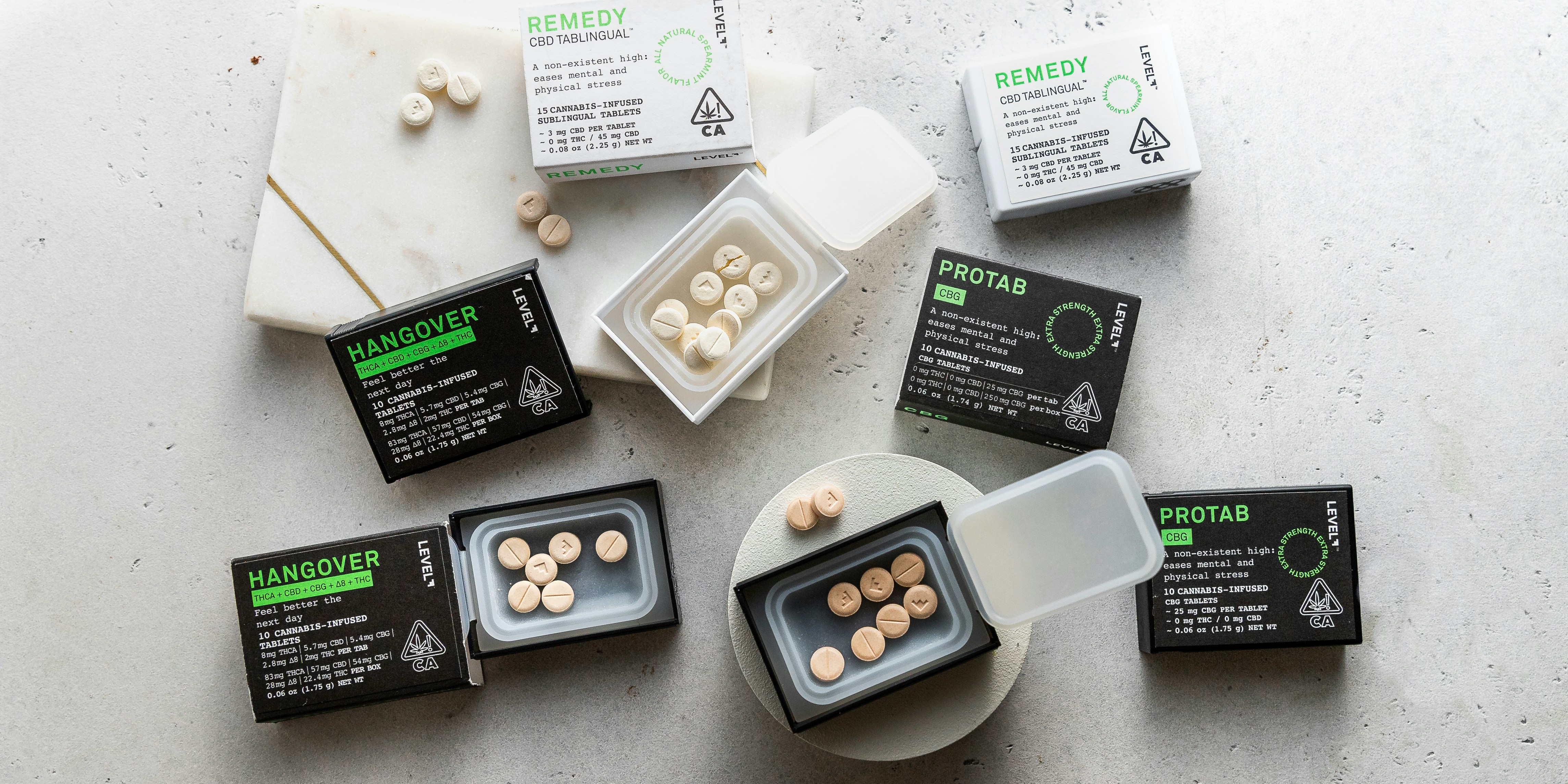
Reading THCA through California Law: Definitions Enforcement and Compliance Thresholds
Think of THCA as the quiet sibling of delta-9: chemically distinct until heat flips the switch.Under California law regulators treat THCA both as an analytical reality and a regulatory input – labs quantify it, and compliance officers convert it into a useful regulatory metric. That means product labels, lab COAs and marketing materials must account for both raw THCA and its potential to become psychoactive THC; the industry-standard conversion – 0.877 × THCA = potential Δ9‑THC – is the arithmetic bridge regulators use when reading potency reports.
Enforcement sits at the intersection of state and local authorities, with the Department of Cannabis Control and public health agencies leading inspections, testing oversight and licensing actions. Expect routine checks focused on chain-of-custody documentation,accredited lab results,truthful labeling and secure transport records.Violations commonly trigger administrative remedies: warning letters, fines, compelled recalls or, in severe/repeat cases, license suspension – a reminder that documentation is as significant as the chemistry in the bottle.
Practical compliance collapses into a few repeatable moves: accurate potency math, robust testing, transparent labeling and adherence to serving limits. Keep these front and center:
- Calculate Total THC using the 0.877 factor for THCA conversion.
- Label Precisely – list both measured THCA and reported Δ9‑THC when required.
- Test with accredited Labs and retain batch COAs for inspections.
- Follow Serving Limits for edibles and packaging rules for adult‑use products.
| Metric | Regulatory Note |
|---|---|
| Edible serving | 10 mg Δ9‑THC |
| Package max | 100 mg Δ9‑THC |
| THCA conversion | × 0.877 to estimate Δ9‑THC |
| Common enforcement | Fines / recalls / suspension |


Policy outlook and Practical Steps to Stay Ahead: Monitoring Rulemaking Advocacy and Operational Changes You Should Implement
Regulatory change in 2025 will feel less like an arrival and more like a steady drumbeat – and the organizations that keep pace will be those that make monitoring a daily habit rather than an occasional task. Set up automated alerts from the Office of Administrative Law, CalCannabis, CDPH, and local county boards; join trade associations and stakeholder working groups; and designate a single point of contact to triage rule changes and public comment opportunities. Treat every proposed regulation as both a compliance deadline and an advocacy moment – early, focused responses influence language and create operational lead time.
Translate monitoring into action with concrete operational steps you can implement immediately:
- Update SOPs to reflect probable labelling and testing shifts, and version-control them in a central repository.
- Audit inventory systems weekly for traceability gaps; add batch-level chevrons for high-risk products.
- Lock down supplier contracts with testing and recall clauses that match anticipated thresholds.
- Train staff monthly on new sampling, handling, and reporting workflows; use short micro-learning modules for retention.
- Integrate compliance software or upgrade your ERP to automate reporting to regulators and to retain immutable logs.
Don’t treat advocacy and compliance as separate silos. Breathe data into your comments – provide testing results, economic impact summaries, and draft language that regulators can adopt. Build quick decision trees and scenario plans for “what if” outcomes (e.g., tighter potency caps, new testing panels, or local retail restrictions). Maintain standing relationships with certified labs and legal counsel so you can pivot from planning to execution the day a rule is finalized.
Use this compact monitoring matrix to assign responsibility and cadence; then commit to a quarterly implementation sprint to operationalize changes:
| Channel | Who Watches | Cadence |
|---|---|---|
| State rule portals | Compliance lead | Daily |
| Industry coalitions | Policy liaison | Weekly |
| Local ordinances | Regional manager | Weekly |
Outline an implementation cadence – discover, pilot, and scale – and maintain a ready-to-execute recall and customer-notification plan. Small, frequent updates beat large, late overhauls; make operational nimbleness your 2025 competitive edge.
In Conclusion
Every legal journey needs a reliable compass. THCA in California is a shifting map – a mix of scientific nuance, regulatory detail, and market momentum – and 2025 will likely bring more points of reference than answers. Whether you’re a consumer checking labels, a patient weighing options, or a business building compliance into every box and bill of sale, the best course is methodical: track authoritative state updates, rely on lab-verified testing and clear labeling, keep careful records, and consult qualified counsel when questions exceed the comfort of plain reading.
Regulations and enforcement priorities change, but a steady process-diligent research, transparent practices, and professional advice-keeps risks manageable. Think of this guide as your starting bearing: not the final map, but a way to orient yourself as the terrain evolves. Stay informed, stay cautious, and let the law be your guide as the story of THCA in California continues to unfold.
