



Imagine standing at a crossroads of curiosity and caution, a map in hand but no clear path marked.THCA Compass: A Beginner’s Guide to Safe use is designed to be that gentle guide – not a road map to adventure, but a practical instrument to help you navigate what THCA is, how it differs from other cannabinoids, and the considerations to keep yoru exploration thoughtful and safe.
THCA (tetrahydrocannabinolic acid) is a naturally occurring compound in raw cannabis that has attracted attention for its unique properties and emerging uses. This introduction won’t dive into technical jargon; instead, it will orient you to the essentials: what THCA is, why people are curious about it, and the key safety, legal, and health questions you’ll want to consider before trying it.
Throughout this guide you’ll find clear, neutral information on sourcing and quality, consumption methods, potential effects and interactions, legal status, and how to make informed choices. Think of it as a compass: it won’t tell you which direction to take, but it will help you recognize landmarks, avoid obvious hazards, and consult the right experts when a more informed decision is needed.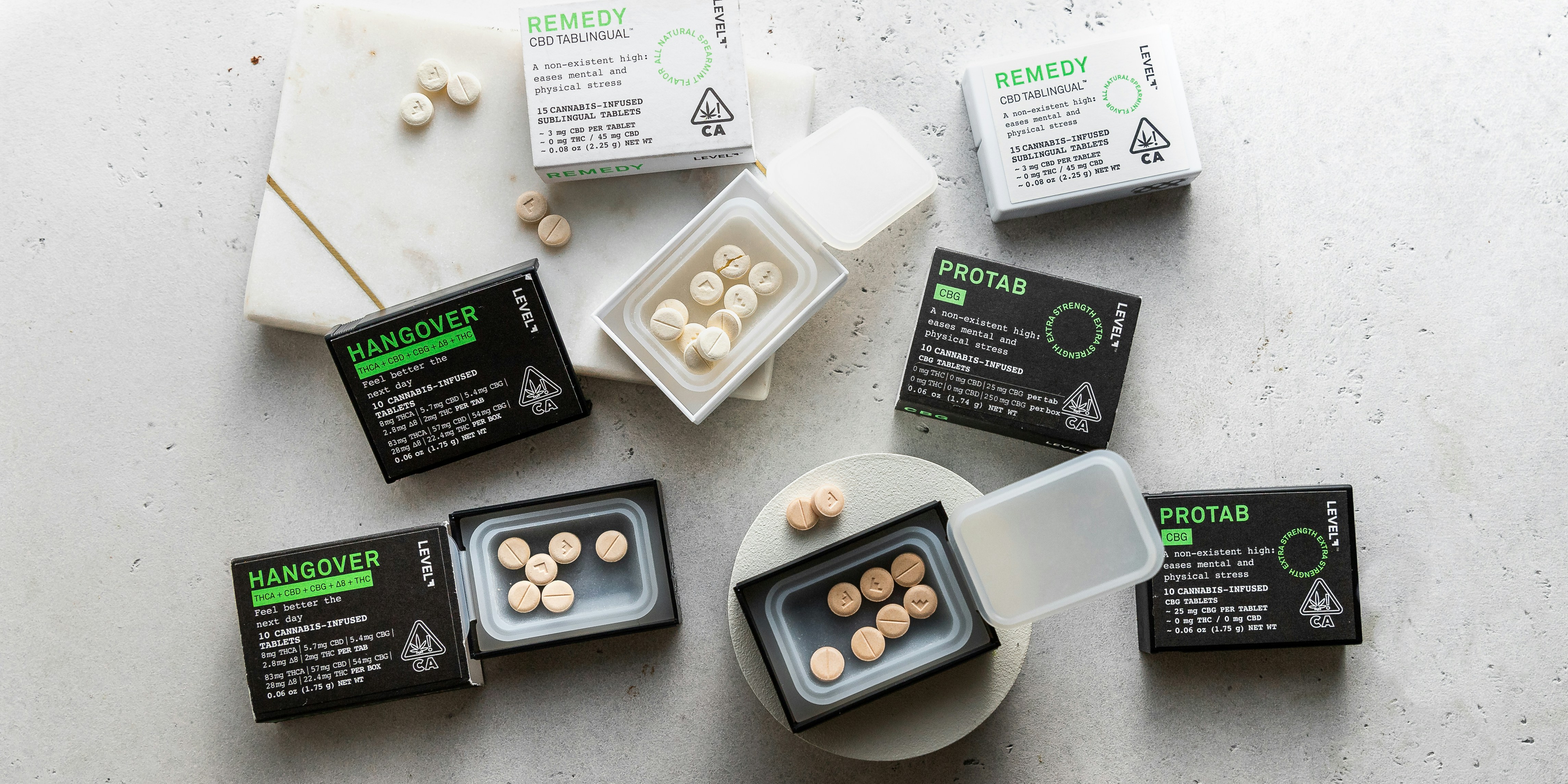
THCA Compass: Understanding the Molecule, Its effects and How It Differs from THC
THCA is the raw, acidic form of a well-known cannabinoid found in cannabis plants. In its natural state it’s largely non-psychoactive and appears in fresh flower,leaf tissue,and concentrates that haven’t been heated.When the molecule experiences heat, prolonged sun exposure, or intentional decarboxylation, it converts into its famous relative, which produces the characteristic mind-altering effects people associate with cannabis.
Early laboratory and anecdotal reports suggest THCA may offer benefits separate from intoxication – think anti-inflammatory, antiemetic, and neuroprotective actions under inquiry. Because it typically isn’t converted to the psychoactive form unless heated, many users explore raw juicing, cold tinctures, or low-temperature extraction to preserve the compound.Scientific evidence is still emerging, so claims of medical efficacy are promising but provisional.
| Trait | THCA | THC |
|---|---|---|
| psychoactivity | Generally non-intoxicating | Intoxicating when consumed or inhaled |
| Typical source | Raw plant, unheated extracts | Dried/ smoked/ vaped or heated products |
| Activation | Converted by heat (decarboxylation) | Already active after decarboxylation |
Safety starts with knowledge: know the product, respect dosage, and choose the right planning for your goals. Follow these practical guidelines to minimize risk and get the effects you expect:
- Start low, go slow: Begin with small amounts if you’re trying THCA-rich products for the first time.
- Mind the method: Avoid heating THCA if you want non-intoxicating effects; smoking or high-heat vaping will convert it to THC.
- Check lab reports: Choose products with third-party testing to confirm cannabinoid content and purity.
- Consult a professional: If you take medications, are pregnant, or have underlying conditions, talk to a healthcare provider before use.

Dosing Roadmap and Microdosing Recommendations: How to Calculate a Starting Dose, titrate Safely and Track Effects
Start low, go slow is more than a slogan-it’s your roadmap. First, read the product label to find potency (mg per mL for tinctures, mg per gram for flower, or mg per serving for edibles). To calculate a starting dose: divide the desired milligram amount by the potency to get the volume or portion you should take. For most beginners aiming for a microdose, consider a conservative starting range (for activated cannabinoids many users begin around 0.5-2.5 mg total), then adjust based on response. If you’re working with raw THCA (non-decarboxylated), remember its effects can differ from activated THC-treat potency labels carefully and err on the lower end.
When you increase, do it deliberately. Wait long enough between adjustments to assess true effects-short-acting methods (vape/smoke) often show effects within 15-45 minutes, while oral forms can take 2-4 hours to peak. A simple titration plan:
- Week 1: Maintain starting dose each day and record effects.
- Week 2: If no desired benefit and no adverse effects, raise by a small increment (≈0.5-1 mg or 10-20%).
- Continue: Repeat the above every 3-7 days until you reach a steady sweet spot.
Keep a short, consistent log so subjective changes are visible over time. Track date/time,product,dose,method,setting,and three simple ratings: mood/relief,clarity/energy,and side effects (0-10). Use the table below as a template or paste it into a note app for daily entries.
| Day | Dose (mg) | Method | Mood/Relief (0-10) | Notes |
|---|---|---|---|---|
| Mon | 1.0 | Sublingual | 6 | Clearer focus, mild tiredness |
| Tue | 1.0 | Sublingual | 7 | Better sleep, no side effects |
Safety first: avoid mixing with alcohol or sedatives, don’t use during pregnancy or if you have unstable heart/liver conditions, and pause use before driving or operating machinery until you know how you react. If you take prescription medications,check with a healthcare professional about interactions. Above all, be patient-microdosing is subtle and personal; careful calculation, slow titration, and thoughtful tracking will help you find a reliable, responsible routine.
Risks, Interactions and Red Flags: When to Avoid THCA, Common Side Effects and Emergency Responses
Some people should steer clear of THCA or use it only under strict medical supervision. Avoid if you are pregnant or breastfeeding, under 18, or have a personal or family history of psychotic disorders. Also be cautious with pre-existing cardiovascular conditions, severe liver disease, or unstable blood pressure – cannabinoids can have unpredictable effects in these contexts. If you are allergic to cannabis or have had severe reactions to related plant products, treat THCA as a potential allergen and do not use it.
Common, usually mild effects include dry mouth, lightheadedness, drowsiness, mild stomach upset and occasional changes in appetite or mood. Remember that THCA can convert to THC when heated (decarboxylation), so inhaled or cooked forms may produce stronger, psychoactive effects. watch for interactions with other drugs; cannabinoids can alter the metabolism of medications processed by the liver and can enhance the sedative effects of alcohol, benzodiazepines, and opioids.Useful rapid reference:
| Medication class | Potential concern |
|---|---|
| Blood thinners (e.g., warfarin) | Altered blood levels → bleeding risk |
| Sedatives / Opioids | Additive drowsiness, respiratory depression |
| Antiepileptics | Changed drug concentrations → seizure control issues |
| Antidepressants / SSRIs | Possible mood interactions or increased side effects |
If someone experiences severe symptoms – such as chest pain, sudden difficulty breathing, uncontrolled vomiting, seizures, loss of consciousness, severe confusion, or signs of anaphylaxis (swelling, hives, throat tightness) – seek emergency medical help promptly. Meanwhile: stop use, move to a safe, calm space, and if trained and needed, administer first aid. provide responders with product labels and a list of other substances taken. for non-life-threatening but concerning reactions,contact your local poison control center or healthcare provider promptly for guidance. When in doubt, err on the side of professional care – timely response can prevent complications.
Storage, Preparation and Activation Control: How to Preserve THCA, Avoid Accidental Decarboxylation and Prepare Safe Home Edibles
Treat THCA like a delicate ingredient. The molecule’s stability depends less on mystery and more on three simple enemies: light, heat and oxygen. Store raw flower or concentrated extracts in opaque, airtight containers, ideally with a small desiccant packet to control humidity. If you need to move material between containers, do it quickly and in cool conditions – prolonged handling, warm countertops or window sills invite slow activation. Consider keeping long-term stores in a stable, dark place and clearly label each package with the date and contents so you can rotate stock and avoid forgotten jars that age into something different.
Accidental activation happens over time as well as with sudden heat.Sunlight through a kitchen window,a hot parked car or a busy stovetop can all push THCA toward conversion without you meaning to. Be deliberate about where you place ingredients when cooking or cleaning: don’t leave them on warm appliances or near open flames, and keep them out of direct light during prep. If you must transport material, use well-insulated, sealed containers and avoid places that experience temperature swings.
When you decide to make edibles,safety is as important as stability. Use commercially sourced or lab-tested THCA products when possible so you know potency and contaminants; if you’re working from home, rely on precise measuring tools and pre-portioned servings rather than eyeballing doses. Always label finished items with clear dosing information and storage instructions, keep edibles locked away from children and pets, and educate anyone who might encounter them about delayed effects and how to respond. Remember the mantra: small, obvious portions beat large, hidden batches.
| Keep | Avoid |
|---|---|
| Cool, dark, airtight containers | Sunlight, hot windowsills |
| Clear labels and dates | Unlabeled jars and mixed batches |
| Lab-tested products where possible | Guessing potency or improvised dosing |
In summary
As you fold your map and stow the THCA compass, remember that curiosity and caution can travel the same trail. This guide was meant to point you toward safer choices – read labels, seek lab-tested products, respect local laws, and talk with a healthcare professional if you have medical concerns.Start small, observe how your body responds, and adjust with patience rather than haste.
Whether you choose to continue exploring or decide against it, let informed decisions and personal duty be your true north.Keep learning, stay safe, and let the compass of knowledge guide your steps.

