


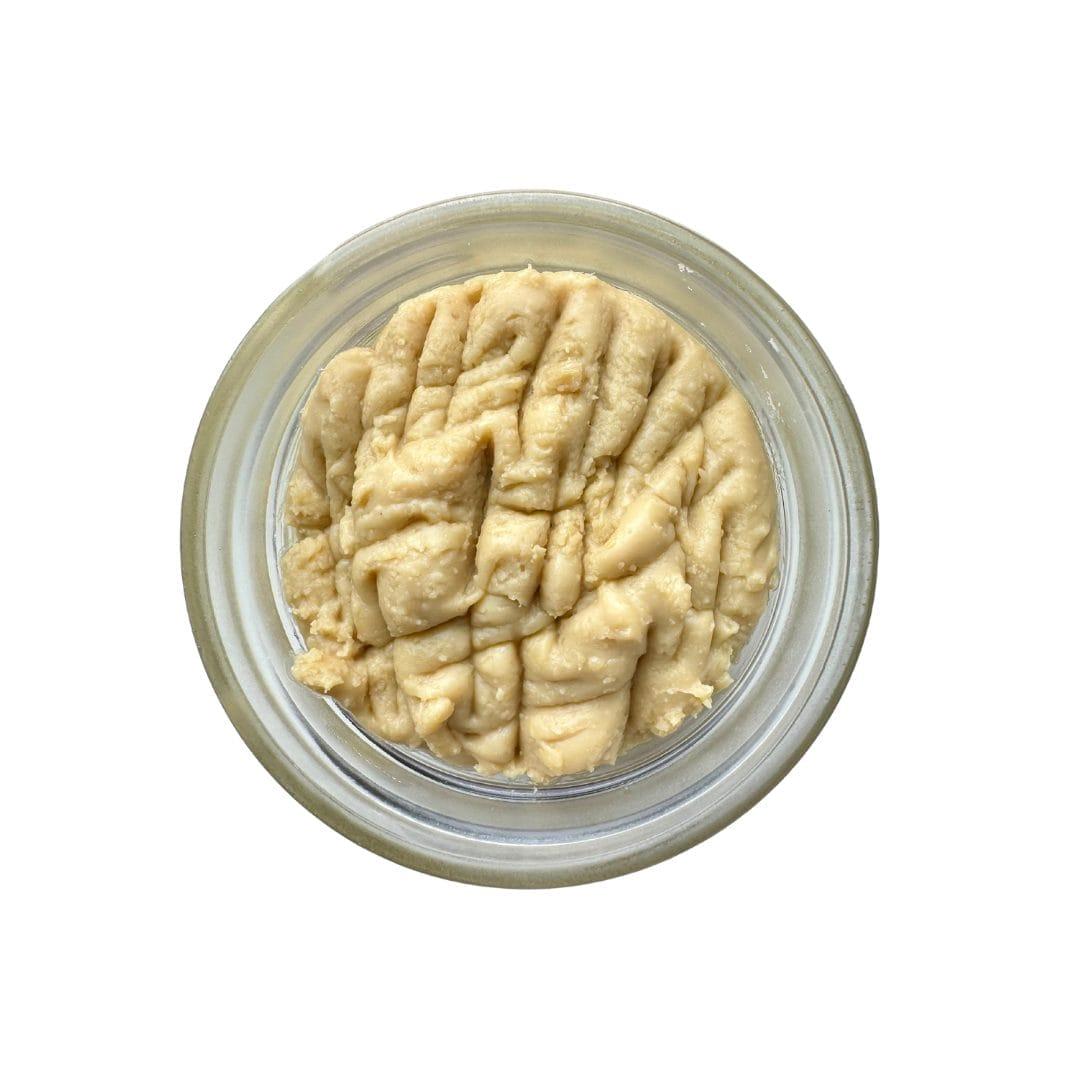
A molecule can move markets. THCA-tetrahydrocannabinolic acid, the non‑intoxicating precursor to THC-has quietly carved out a new corner of the cannabis economy, attracting manufacturers, retailers and curious consumers alike. As the U.S.cannabis landscape fragments into a mosaic of state rules, consumer preferences and product innovation, demand for THCA offers a revealing snapshot of how science, regulation and commerce interact at the molecular level.
This article maps that snapshot. Using sales trends, product launches, consumer behavior, and the evolving regulatory environment, we examine who’s buying THCA, where they’re buying it, and why. We explore supply-chain dynamics from cultivation to formulation, compare product formats (flowers, concentrates, edibles and topical applications), and analyze price, promotion and distribution strategies that are shaping uptake across different states and demographic groups.
Why it matters: THCA’s rise highlights broader forces reshaping the U.S. cannabis market-technological innovation, regulatory uncertainty, and shifting consumer expectations around potency, safety and legality. By unpacking current demand drivers and identifying emerging trends, this analysis aims to equip industry stakeholders, policymakers and observers with a clear, data‑informed view of where the THCA market stands today and where it may be headed next.
Strategic Recommendations for Investors, Brands, and Policymakers to Sustain Growth
Investors should prioritize capital allocation to businesses that demonstrate resilient supply chains, obvious testing protocols, and scalable extraction technologies. Emphasize due diligence on lab certifications and seed-to-sale traceability-these are non-negotiable markers of long-term value. Consider staged investments tied to regulatory milestones and market adoption rates rather than large upfront bets; this reduces exposure to policy volatility while preserving upside if THCA experiences rapid consumer migration.
Brands must win consumer trust through product differentiation and education. Invest in clear labeling, third-party lab results, and educational content that explains THCA’s profile, safe dosing, and legal status. Focus on portfolio breadth that includes entry-level formats (e.g., tinctures, softgels) and premium experiences (e.g., artisanal extracts) to capture multiple demographics. recommended actions include:
- Clarity: Publish batch COAs and supply chain maps.
- Innovation: Develop stable formulations and novel delivery systems.
- partnerships: Team with test labs and clinicians for credible claims.
Policymakers can catalyze a healthier market by harmonizing state-federal guidance, funding independent research on long-term health impacts, and designing tax systems that avoid stifling legal channels. Short-term regulatory clarity reduces black-market leakage and encourages compliance; medium-term investments in public health surveillance and standardized testing reduce consumer harm. Below is a compact roadmap to align incentives:
| Stakeholder | Immediate Priority | Expected outcome |
|---|---|---|
| Investors | Due diligence & conditional funding | Lower downside, faster scaling |
| Brands | Transparency & product education | Higher consumer trust |
| Policymakers | Regulatory alignment & research grants | Market stability & evidence-based rules |
Cross-sector collaboration is the multiplier: public-private working groups, interoperable data standards, and shared testing protocols create a virtuous cycle of trust and growth. Track progress with clear KPIs-market share of tested products,average time-to-compliance for new entrants,and public health indicators-and iterate policies and investments accordingly. In short, balance caution with creativity: protect consumers, reward proven operators, and build infrastructure that lets the market scale responsibly.
The Conclusion
As THCA demand in the U.S. moves from niche curiosity toward a more visible strand of the broader cannabinoid market, the next chapters will be written at the intersection of science, regulation and consumer taste. Rising interest-fueled by product innovation, shifting state laws and expanding wellness narratives-creates opportunities, while uneven testing standards, legal ambiguity and supply-chain pressures keep the market dynamic and uncertain.
For businesses, regulators and researchers alike, the practical takeaway is simple: treat the market as data-driven and modular. Regional patterns, lab certification, clear labeling and transparent sourcing will separate resilient players from those exposed to volatility. For consumers, education and consistent quality control matter more than ever as novel products proliferate.Ultimately, THCA’s trajectory in the U.S. will be less a straight line than a sequence of adjustments-policy decisions,scientific findings and consumer preferences nudging the market into new forms. Observers who watch those signals closely,and who prioritize clarity and compliance,will be best positioned to navigate whatever comes next.
