


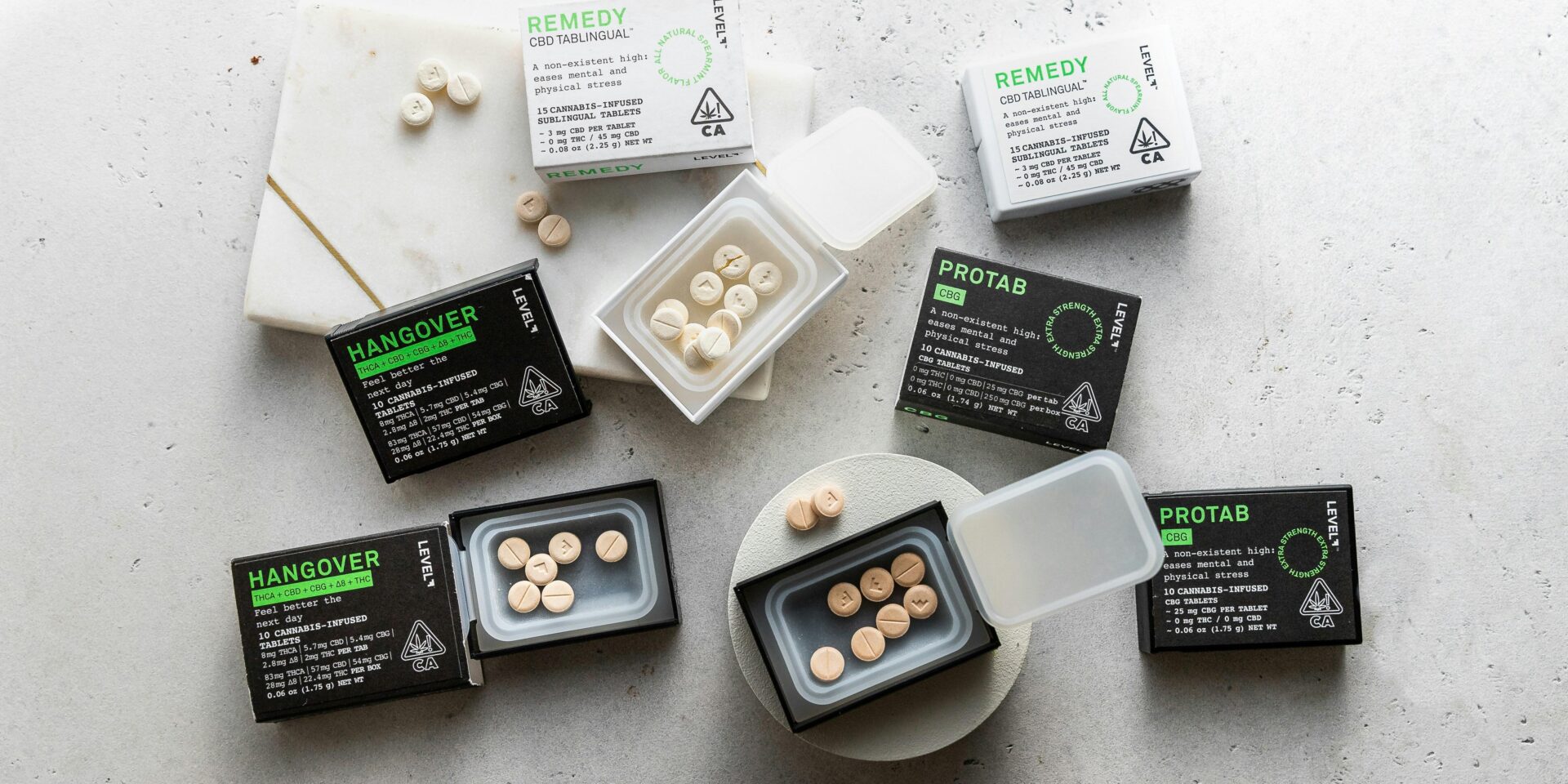
imagine holding a freshly cut cannabis leaf: glossy, green, and full of unseen chemistry. Hidden inside that living plant is THCA – tetrahydrocannabinolic acid – the acidic, non-psychoactive precursor to the more familiar THC. Its the molecule that whispers potential rather than shouting it, and understanding it opens a clearer view of how cannabinoids form, change, and interact with the world around them.
This beginner’s guide will gently peel back the layers of THCA: what it is indeed at a molecular level, how it becomes intoxicating THC through decarboxylation (heat and time doing the chemistry), why it shows up in raw products and laboratory tests, and where it sits in the frequently enough-confusing legal and scientific landscape. No jargon-heavy lectures – just plain explanations, practical examples, and a reality-check on what the current research can (and cannot) tell us. Whether you’re curious about the science, the law, or the product labels, you’ll leave with a clear map of THCA and its place in the broader cannabinoid family.
Understanding THCA at the Molecular Level and How It Differs From THC
At the atomic level, THCA carries an extra carboxyl group that makes it chemically distinct from its famous cousin. This small addition – a -COOH moiety attached to the cannabinoid backbone – increases the molecule’s polarity and mass, meaning THCA interacts with its environment differently than THC. Where THC is relatively lipophilic and mobile, THCA’s extra oxygen and carbon create steric and electronic changes that affect how the molecule orients itself around biological targets and how readily it crosses membranes.
Heat or time strips that carboxyl group away in a process known as decarboxylation, releasing carbon dioxide and converting THCA into the psychoactive THC. This chemical change is central to why raw cannabis does not typically produce the same intoxicating effects as dried, heated, or combusted flower. On a molecular interaction level,THCA shows weak affinity for the CB1 receptor in the brain,while THC fits the receptor more snugly and acts as a potent agonist – the structural change is small but functionally decisive.
- Molecular formula: THCA has an extra carboxyl element compared with THC.
- Functional group: The -COOH group makes THCA more acidic and less volatile.
- Psychoactivity: THCA is largely non-psychoactive until decarboxylated into THC.
- Receptor behavior: THC binds CB1 strongly; THCA does not (or binds poorly).
| Property | THCA | THC |
|---|---|---|
| Core difference | Contains -COOH (acid form) | Decarboxylated (neutral) |
| Psychoactive? | Generally no | yes |
| Receptor affinity | Low for CB1 | High for CB1 |

Legal Status and Travel Considerations for THCA Users
Think of THCA’s legal landscape as a patchwork quilt: patterns change when you move from town to town, and the seams are frequently enough fuzzy. In the united States the 2018 Farm Bill legalized hemp that contains no more than 0.3% Δ9‑THC on a dry weight basis, but THCA sits in a gray zone as it converts to psychoactive THC when heated (a process called decarboxylation). States, municipalities and countries write their own rules, so a product that seems lawful in one place can be restricted or illegal a short drive away. Keep records like lab certificates and clear labeling-these often make the difference between a smooth interaction and a legal headache.
- Carry a Certificate of analysis (COA) showing THCA and Δ9‑THC levels.
- keep products in original packaging with clear ingredient and potency information.
- Avoid transporting products across international borders-risk is high and penalties can be severe.
- Do not heat or activate THCA during travel; activated THC is treated much more strictly.
Airlines, the Transportation security Administration (TSA), and customs authorities all operate under different rules. TSA’s primary mission is safety, not drug enforcement, but if they find suspected illegal substances they will notify law enforcement. Domestic carriers may prohibit cannabis products in checked or carry-on baggage regardless of state law, and crossing state lines with products that contain appreciable THC can expose you to federal prosecution. International travel is the riskiest: many countries have zero-tolerance policies for any cannabinoid and even medicinal possession can be prosecuted. When planning travel,research both point-of-origin and destination laws,plus any stopovers.
| Scenario | Typical Risk Level |
|---|---|
| Driving between states where both allow hemp | Variable – moderate with documentation |
| Domestic flight | Moderate – check airline policy |
| International travel | High – generally not recommended |
Workplaces and drug testing add another layer: moast standard urine tests screen for THC metabolites,and because THCA can convert to THC in the body or when exposed to heat,a positive test is possible. Employer policies differ widely-some prohibit any cannabinoid exposure, others onyl impairment. If you rely on THCA products, be transparent with employers when required and consider alternatives if you are subject to testing. Above all, treat local laws and policies as the final word: when in doubt, verify before you travel.

Choosing Quality THCA Products and Reading Lab Reports Like a Pro
When shopping for THCA, favor openness over hype: choose manufacturers that publish a recent Certificate of Analysis (COA) for every batch, list harvest and expiry dates, and provide clear instructions for storage and use. Look for full-spectrum testing that shows THCA separately from other cannabinoids, and pay attention to the product’s form – raw flower, live resin, or isolated crystals each behave differently when heated and stored. Brands that explain cultivation practices (organic fertilizers, pest-management strategies) and show consistent batch numbers are demonstrating the kind of quality control that matters.
Use this swift checklist while evaluating products:
- COA available and dated within the last 6 months
- Batch number on packaging that matches the COA
- THCA content listed as a percentage and mg/g
- Pesticide, heavy metal, and microbial screens marked “pass” or below action limits
- Clear storage recommendations to prevent decarboxylation
These simple markers separate brands that no their product from those relying on marketing. If a seller resists sharing a COA or gives only summary claims, treat that as a red flag.
Knowing how to read a lab report turns suspicion into confidence. Scan for the lab’s name and accreditation, locate the cannabinoid panel (check both THCA and delta-9), and note the Limit of Quantitation (LOQ)
don’t forget practical context: know whether you intend to consume raw THCA (no heat) or plan to decarboxylate it – that decision changes the relevance of delta-9 readings and helps you pick a product suited to your desired experience. When experimenting with THCA, the safest mantra is “start low, go slow.” Remember that raw THCA (as in fresh flower or juices) is chemically different from decarboxylated THCA that converts into THC when heated. That means you can consume raw THCA with little to no psychoactive effect, but once you vape, smoke, or bake it into edibles the rules change-treat those forms as you would any THC product. Always factor in personal sensitivity, body weight, and tolerance when choosing a starting point. Practical tips matter as much as numbers. Keep a small notebook or use a notes app to record product, dose, and effects. Never mix with alcohol or other sedatives on your first tries. Store products properly and label them to avoid accidental consumption.If you’re using products without reliable lab testing, assume potency can vary widely and reduce your starting dose accordingly. be mindful that conversion from THCA to THC during heating can be inconsistent-temperature, time, and product composition all influence how much THC is produced. Increase doses in small increments: for inhalation add 1-2.5 mg THC-equivalent and wait at least 15-30 minutes; for edibles add 1-2.5 mg and wait up to 3 hours before considering more. When in doubt, consult a knowledgeable professional and prioritize patience-finding your comfortable level is a gentle process, not a race. As you close this primer on THCA, remember that it’s one thread in a much larger cannabinoid tapestry – intriguing, still unfolding, and rich with unanswered questions. Whether your interest is scientific, practical, or simply curious, let this guide serve as a starting map: it points to key concepts, highlights where the evidence is thin, and invites you to dig deeper. Keep an eye on emerging research, local regulations, and reputable sources, and consult qualified professionals if you’re considering cannabinoids for health or wellness. understanding THCA is less about finding a final answer and more about learning to read the evolving story of cannabis with careful curiosity.
Parameter
What to look for
THCA potency
Clear % or mg/g, consistent with label
Delta-9 THC
Low in raw products; watch if heating is intended
Pesticides
Non-detect or below legal limits
Heavy metals
Below action levels
dosing Guidelines and Practical Recommendations for Beginners
Form
Suggested Starter Dose
Typical Wait Time
Raw (juice/tincture)
10-50 mg THCA
15-60 min (minimal psychoactivity)
Vaporized/Smoked
2.5-5 mg THC-equivalent
5-15 min
Edible (decarboxylated)
2.5-5 mg THC-equivalent
60-180 min
Closing Remarks

