
Hidden in plain sight on the label of many cannabis plants and products is a molecule that rarely gets the spotlight: THCA. Short for tetrahydrocannabinolic acid, THCA is the mostly non‑intoxicating precursor to the better‑known THC. Its a quiet bit of plant chemistry that changes behavior when you apply heat or time,and that chameleon quality has made it a source of curiosity for consumers,cultivators,researchers and regulators alike.
This guide, “THCA Explained: A neutral Guide to Getting Started,” is written for readers who want clear, practical information without hype. You’ll find approachable explanations of what THCA is, how it relates to other cannabinoids, and why lab testing and terminology matter. We’ll outline common ways THCA appears in products, summarize what the science can – and cannot yet – tell us, and point out legal and safety considerations so you can make informed decisions.
Expect curiosity, not persuasion. The goal hear is to equip you with the basics and reliable context so you can read labels, follow conversations, and ask smarter questions whether your exploring plants, products, or policy.
The Science Under the Leaf: How THCA Interacts with the Body and the Endocannabinoid System
Beneath the familiar green of the cannabis leaf lies a molecule that rarely steals headlines: THCA, the carboxylated precursor to THC. Unlike its thermally activated sibling, THCA is largely non-intoxicating and interacts with the body in subtler ways. Rather than locking onto the brain’s CB1 receptors and producing a high, it engages a wider biochemical neighborhood-enzymes, ion channels and nuclear receptors-that help shape inflammation, pain signaling and metabolic responses. This makes its profile less about a single, dramatic effect and more about modulation across systems.
THCA’s molecular conversations can be grouped into a few recurring themes:
- Indirect modulation – weak affinity for CB1/CB2 but influences endocannabinoid tone by affecting enzyme activity.
- Ion channel engagement – interaction with TRP channels (e.g., TRPV1) that regulate sensory signals like temperature and pain.
- Anti-inflammatory pathways – inhibition of enzymes such as COX-1/2 and potential impacts on cytokine signaling.
- Nuclear receptor effects – possible activation of PPAR family receptors, which influence gene expression related to metabolism and inflammation.
how THCA reaches those targets depends on form and route: raw plant material, tinctures, capsules and topicals each present different levels of stability and absorption. The molecule’s acidic group affects lipophilicity and thus its bioavailability, while heating (decarboxylation) converts it into THC and dramatically alters receptor affinity and psychoactivity. In whole-plant preparations, THCA often acts alongside other cannabinoids and terpenes, contributing to the so‑called entourage effect-a pattern of complementary interactions rather than a single active ingredient dictating outcomes.
| Target | Reported Interaction |
|---|---|
| CB1 / CB2 | Low direct binding; indirect modulation |
| TRPV1 (ion channel) | Activation/modulation of sensory signaling |
| COX enzymes | Potential inhibition-anti-inflammatory implication |
| PPAR receptors | Possible gene-expression effects on metabolism |
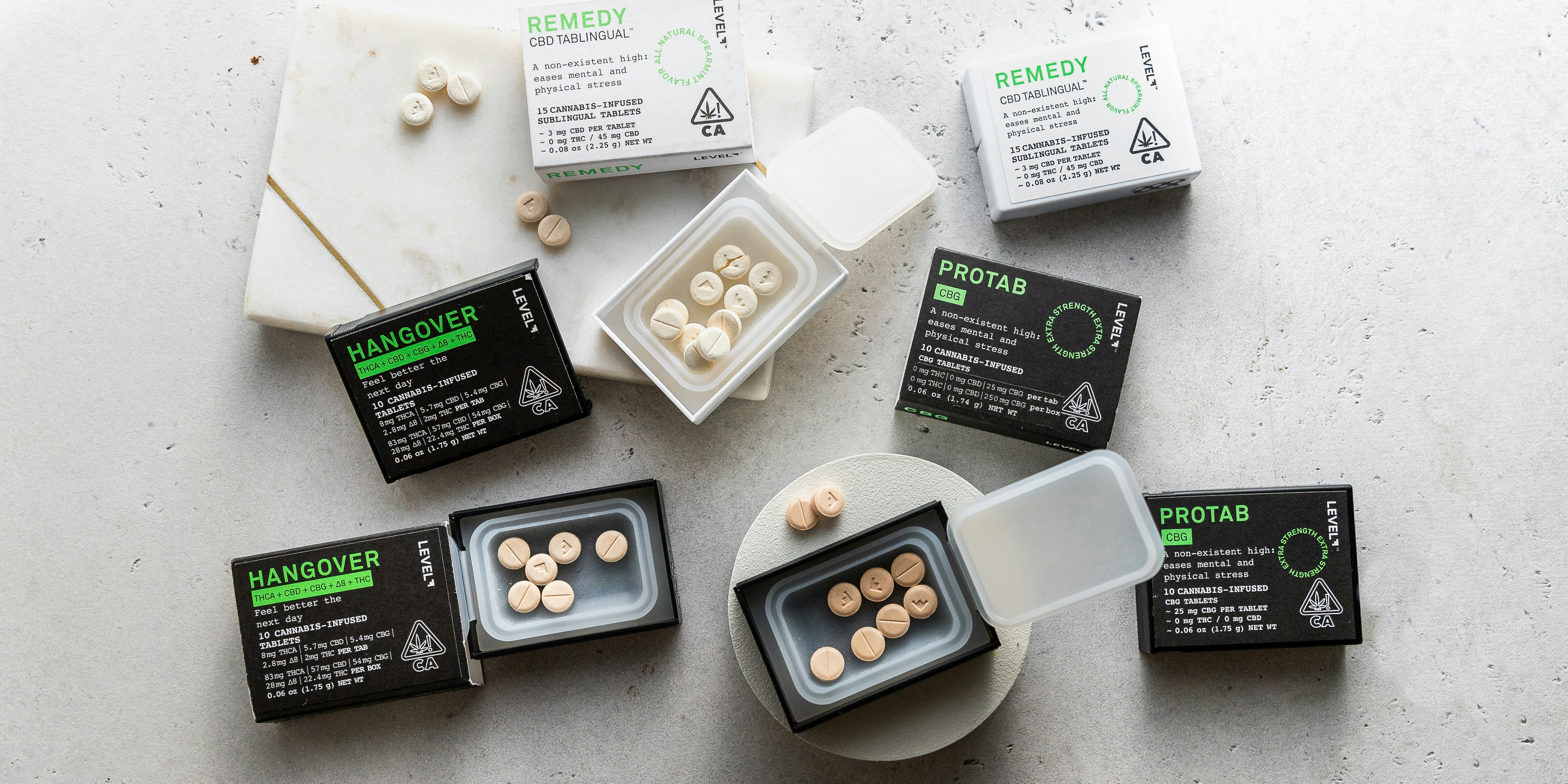
Consumption Paths: Raw Use, Juicing, Vaping and the Role of Decarboxylation
Fresh cannabis is a different experience from anything that has been heated. When eaten raw or blended into green juices, THCA remains in its acidic, non-intoxicating form; many people pursue this route to enjoy the plant’s flavors and nutritional components without the psychoactive effects commonly associated with THC. The texture and bitterness of raw material can be challenging,so micro-blending with sweeter greens or fruit is a common culinary approach to make it more palatable.
Vaping and smoking introduce heat, and heat changes chemistry. Inhalation methods tend to produce rapid onset becuase the moment heat is applied,THCA begins converting into THC and other cannabinoids that cross the blood-brain barrier quickly. This pathway is typically chosen for immediacy and ease of dose adjustment,but it also means the neutral THCA profile is lost and users may experience psychoactive effects that were not present in the raw plant.
The conversion that underlies those differences is called decarboxylation: a chemical change whereby the acidic THCA molecule loses a small functional group and becomes THC.Decarboxylation can occur quickly under direct flame or high heat and more slowly under gentler conditions; it also happens to some degree during certain processing and storage practices. Because this is the step that determines whether a readiness will be intoxicating, it’s helpful to be mindful of how a chosen consumption path influences that chemistry and, by extension, legal and testing outcomes.
- Raw/juicing: Preserves THCA, no intoxicating effect, nutritional focus.
- Culinary (uncooked): May retain acids if not heated-great for tinctures or smoothies.
- Vaping/smoking: Promotes rapid decarboxylation and rapid-onset effects.
| Path | Effect on THCA | Typical Onset |
|---|---|---|
| Raw / Juicing | THCA largely intact | None (non‑intoxicating) |
| Edibles (heated) | Decarboxylation likely during cooking | Delayed |
| Vaping / Smoking | Rapid conversion to THC | Immediate |
To Conclude
as you close this primer, think of THCA as one piece of a larger map – a non‑intoxicating precursor that helps explain why cannabis behaves the way it does under heat, chemistry and regulation.You’ve seen how it differs from THC, where it appears in the plant, how it’s tested and labeled, and the practical and legal considerations people weigh when deciding whether to explore it.
If you’re curious to learn more, let that curiosity be guided by reliable sources: lab certificates, peer‑reviewed studies, local laws, and conversations with knowledgeable healthcare or legal professionals. If you decide to try a THCA product, choose tested products, start conservatively, and observe effects carefully.
THCA is an evolving topic – science and policy are both still catching up. Keep an open, critical mind, and use the information here as a starting point rather than a final word. Your questions and experiences can definitely help shape a more informed conversation,so read widely,stay safe,and proceed thoughtfully.