Imagine a quiet library where every book hums with potential – each page a chemical waiting for the right spark to reveal its story. THCA (tetrahydrocannabinolic acid) is one of those unread books: abundant in fresh cannabis, largely overlooked until heat or time turns it into the more famous character, THC. This guide, “THCA explained: A Simple, Creative Intro Guide,” takes that book off the shelf and opens it for anyone curious about what THCA is, how it behaves, and why it matters.
You won’t need a chemistry degree to follow along. We’ll sketch the basics – what THCA looks like in the plant, the change known as decarboxylation, and why scientists and consumers alike are paying attention – while highlighting the limits of current knowledge.Expect clear explanations, everyday analogies, and a neutral look at the science, uses, and legal landscape surrounding this lesser-known cannabinoid.
Whether you’re a newcomer wondering what’s in raw cannabis, a patient weighing options, or simply curious about the chemistry behind the green, this introduction sets the scene. From botanical beginnings to laboratory questions still unanswered, consider this your amiable, plain-language map to the world of THCA.
Choosing Quality THCA Products: What to Look for on Certificates, Packaging, and Storage Practices
when buying THCA products, let the paperwork be your first handshake. Look for a clearly labeled Certificate of Analysis (COA) from a reputable third-party lab that matches the product’s batch ID and harvest/production dates. The COA should show the THCA/THC ratio, total cannabinoids, terpene profile, and tests for pesticides, heavy metals, solvents, and microbial contaminants. A scannable QR code or a direct lab link on packaging that opens the COA is a strong sign of transparency – if it’s hard to find,move on.
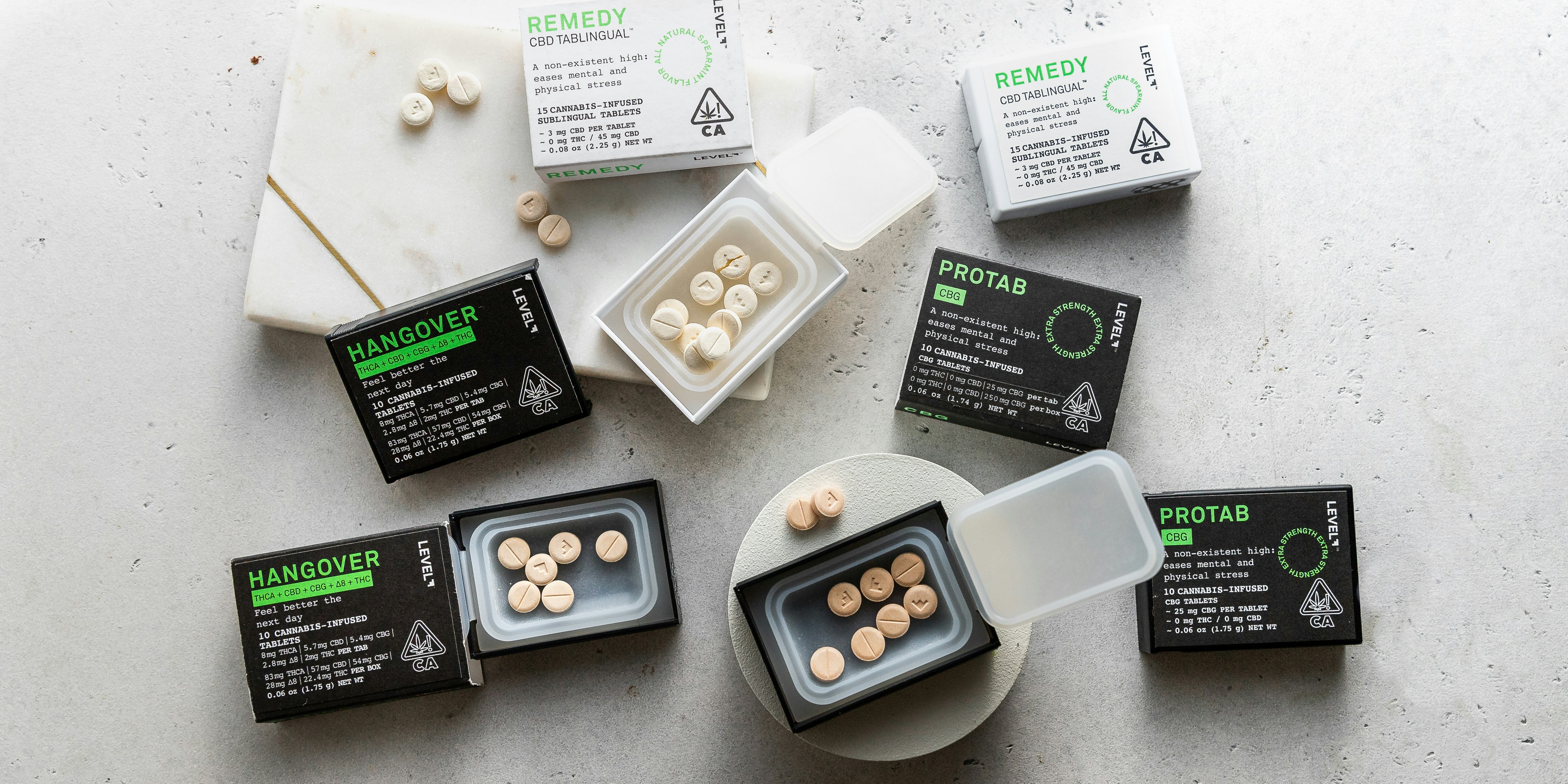
Good packaging protects more than it advertises; it preserves the chemistry and safety of the product. Prioritize containers that are child-resistant, opaque (to block light), and airtight to keep humidity and oxygen at bay. Also check for clear labeling – including batch number, potency (per serving and per container), storage instructions, and any decarboxylation warnings about heat – and a tamper-evident seal to ensure freshness. quick checklist:
- COA link/QR that matches batch ID
- Opaque, airtight packaging
- Child-resistant and tamper-evident features
- Clear potency and storage instructions
Because THCA converts to THC with heat and time, storage matters more than you might think. Keep it cool, dark, and dry – ideally between 15-20°C (59-68°F), away from sunlight and high humidity; silica packs and sealed glass jars help. Here’s a simple table to remember the basics:
| Storage Element | Why it matters |
|---|---|
| Temperature: Cool | Prevents THCA → THC conversion and terpene loss |
| Light: Dark | UV breaks down cannabinoids and fades potency |
| Humidity: Low | Stops mold and preserves texture |
treat expiration dates and “best by” notes as real guidance. Even perfectly sealed products degrade over time, so rotate older items forward and avoid heat sources (cars and windows) that can accelerate decarboxylation. When in doubt,a quick COA re-check and proper storage are your simplest,most reliable guardians of quality.
To Wrap It Up
Like the unseen sketch beneath a finished painting, THCA is the molecule that hints at what cannabis can become without yet taking center stage. It’s a gentle introduction to the plant’s chemistry: non-psychoactive in its raw form, convertible into THC with heat, and the subject of growing-but still early-scientific curiosity. understanding THCA helps make sense of how cannabinoids behave and why different preparations produce different effects.
If this guide has sparked questions, follow them with careful curiosity: look for credible studies, check local laws, and consult healthcare professionals before making choices that could affect your health. Thoughtful sourcing and responsible use turn curiosity into informed action.Thanks for exploring THCA with me. May your next step-whether it’s reading a research paper,talking to an expert,or simply paying closer attention to labels-bring clarity and confidence.