


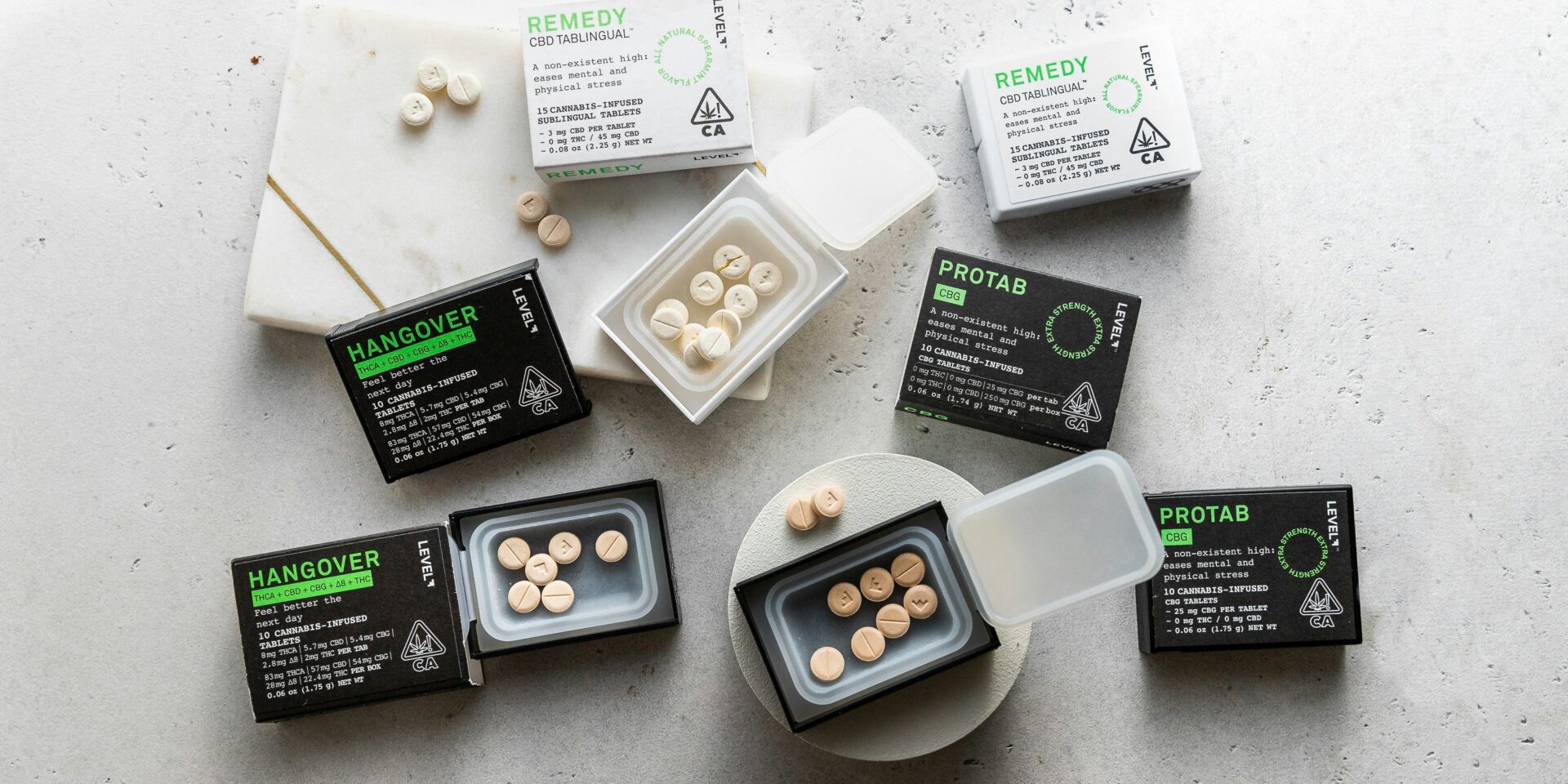
Think of THCa as the quiet architect hidden behind one of cannabis’s most famous faces. Chemically known as tetrahydrocannabinolic acid, it’s the non-intoxicating precursor that lives in raw cannabis and, with heat, converts into the better-known THC. for those paying attention to the shifting landscape of cannabis science and policy, THCa has begun to appear on menus, in lab reports, and in headlines – sometimes as a promising therapeutic agent, other times as a confusing legal footnote.
this article takes a clear-eyed look at that dual identity. we’ll map what the science actually says about THCa’s biological actions, explore why people use it, and unpack the legal and safety questions that complicate its rise. rather than cheerlead or dismiss, the piece weighs potential benefits – and the often-overlooked limitations and risks - so readers can form an informed view.
If you wont a measured, creatively framed guide through the facts, curiosities, and caveats around THCa, read on. You’ll find evidence summaries, practical considerations, and the balanced viewpoint needed to separate promise from hype.
Therapeutic Promise Evidence From Studies Conditions That Might Benefit and limitations
Early research paints a cautiously optimistic picture: animal studies and a handful of small human trials suggest THCa may exert anti-inflammatory, antiemetic and neuroprotective effects through non-intoxicating pathways. Lab work points to enzyme and receptor interactions that differ from THC, and some patient-reported outcomes-especially in observational settings-hint at symptom relief for certain chronic conditions. Still, most evidence remains preclinical or anecdotal, so the mechanisms that look promising in vitro are not yet proven at scale in people.
The profile of conditions that could plausibly benefit is growing, but selective and tentative:
- Chronic pain – anti-inflammatory signals might reduce nociceptive and neuropathic discomfort in some patients.
- Inflammatory disorders – preliminary data suggest potential modulation of immune-related pathways.
- Sleep disturbances – indirect benefits reported when pain or anxiety is eased.
- Nausea and appetite issues - early observations, especially in chemotherapy-related contexts.
- Neurodegenerative conditions – neuroprotective hypotheses exist, but human proof is sparse.
| Condition | Evidence Level |
|---|---|
| Chronic pain | Low-Moderate |
| Inflammation | Preclinical |
| Nausea/appetite | Anecdotal-Early Trials |
Vital limitations temper the promise: studies are small, often open-label, and confounded by product variability (raw extract vs isolate, inconsistent THCa concentrations), dosing uncertainty, and regulatory barriers that limit rigorous trials.Potential interactions with other medications, stability of THCa (it can decarboxylate to THC with heat), and long-term safety data remain underexplored. In short, the existing science suggests possibility rather than proof-more controlled clinical trials and standardized product testing are essential before THCa can be considered a reliable therapeutic option.

Choosing and Using THCa products Quality testing Dosing and Safer Consumption Practices
Quality starts before you buy. Seek products from licensed producers that publish a clear batch number and a current third‑party Certificate of Analysis (COA). Packaging should be legible with ingredient lists, manufacture/expiry dates, and contact details for the manufacturer – if that details is missing, treat the item with caution. Treat provenance as an essential part of value: traceability beats marketing every time.
Know what to look for on a COA. A reliable lab report will include potency for key cannabinoids, screening for pesticides and residual solvents, heavy metals, and microbial contaminants. Helpful quick checks include:
- COA date and batch ID that match the product
- Potency profile (THCa vs. other cannabinoids) reported by a recognized lab
- Tests for solvents, pesticides and heavy metals
- Clear manufacturer contact info and lot numbers
Dosing is a personal experiment handled with care: adopt the “start low, go slow” mindset rather than chasing immediate effects. Different formats have different onset and duration – be patient and keep notes on timing and subjective effects so you can adjust gradually. Avoid mixing with alcohol or sedating medications, and never operate machinery after consumption.
Practice safer consumption and storage. Use measured devices (droppers, pre‑marked syringes, or precise vape cartridges), store products in child‑resistant containers away from heat and light, and dispose of unused material responsibly. Below is a simple comparison to help match format to preference and risk tolerance.
| Format | Onset | Control | Testing Ease |
|---|---|---|---|
| Flower | Fast (inhalation) | High (single puffs) | Easy (common COAs) |
| Concentrate | Very fast | Moderate (potency varies) | Requires detailed solvent screening |
| Tincture/Oil | slow to moderate (sublingual/ingestion) | high (measured dosing) | Often well‑documented |

Practical Recommendations Balancing Benefits Drawbacks and Guidance for Patients and Clinicians
Start low, move slow remains the clearest practical rule: begin with the smallest effective amount and increase only if needed and tolerated. Choose products with clear labeling and third‑party testing – raw THCa flower,tinctures,and isolated crystalline preparations behave differently than decarboxylated THC products. For patients on multiple medications or with fragile cardiometabolic or psychiatric histories, favor conservative trials and consider consulting a clinical pharmacist. Keep written instructions that note route, timing, and maximum daily amounts so both patient and clinician have the same plan.
Safety monitoring should be explicit and routine. Ask patients to track symptom benefit and adverse effects for at least 2-4 weeks after any dose change. Watch especially for excessive sedation, changes in mood or cognition, dizziness, and any signs of interaction with blood thinners or CNS depressants. If negative effects appear,reduce dose,suspend use,or arrange expedited review. Bold, simple stop‑signals given to the patient – for example, “stop and call if you develop severe anxiety, chest pain, or fainting” – improve early detection of harms.
Shared decision‑making helps balance potential gains with risks: document therapeutic goals, expected timelines, and predefined criteria for continuation or discontinuation.Useful steps include:
- Identify target symptom (e.g.,sleep onset,spasticity intensity)
- Agree measurable outcome and time window (e.g., 2 weeks)
- Plan follow‑up mode (phone, telehealth, clinic) and safety net
Provide patients with accessible education on product variability, legal status, and storage away from children and pets.
Below is a quick reference for common clinical scenarios – keep it visible in the chart or patient handout for rapid decisions.
| Situation | Practical Recommendation |
|---|---|
| New patient, naïve to cannabinoids | Low‑dose trial, single product, 1-2 week check‑in |
| Concurrent anticoagulant or sedative | Avoid until specialist review; consider alternate therapies |
| Partial benefit but unwanted effects | Reduce dose by 25-50% or change formulation |
| Pregnancy, breastfeeding, severe psych history | Discourage use; prioritize established safer options |
In Retrospect
As with many compounds that sit at the intersection of nature, medicine, and law, thca resists a simple label. Its profile – promising potential benefits for some users alongside clear unknowns and possible downsides – is best thought of as a layered landscape rather than a single path. For some, THCa may offer a gentle foothold toward symptom relief; for others, the legal complexities, limited clinical data, and individual risks warrant caution.If you’re curious, approach THCa like any emerging topic: weigh reputable research, consider personal health and legal context, and consult a trusted healthcare professional before experimenting. Awareness of sourcing, dosing, and interactions is essential, and staying current matters becuase the science and regulations are still evolving.
Ultimately, THCa is part of a broader conversation about cannabinoids - one that blends potential, prudence, and personal values.Keep asking questions, seek reliable information, and make choices that reflect both the possibilities and the limits that science and law currently present.

