



Imagine holding a glossy, unprocessed cannabis bud under a light-a living, green ledger of chemistry and history.At the microscopic level that bud is full of molecules quietly waiting for a cue: warmth,time,or a lab process. One of the most vital of those molecules is THCA, short for tetrahydrocannabinolic acid. Not the intoxicating compound most people associate with cannabis, THCA is the acidic precursor to THC and a focal point of modern conversations about testing, labeling, regulation, and research.
this article – THCA Explained: Practical Educational Tips and Guide – takes a clear-eyed look at what THCA is, how it differs from THC, and why that difference matters.We’ll unpack basic chemistry in plain language, outline how THCA shows up in products and lab reports, and summarize what current science and law say about its presence and detection. Along the way you’ll find practical tips for educators, consumers, and anyone who needs to interpret product information or communicate responsibly about cannabis science.This is not a how-to for altering or consuming substances; it is a resource designed to inform and clarify. Expect neutral, evidence-focused explanations, simple analogies to make concepts stick, and actionable guidance for reading labels, assessing laboratory results, and staying aware of regulatory nuances.Whether your teaching a class, checking a product panel, or simply curious about the chemistry behind the headlines, this guide will help you navigate THCA with confidence and clarity.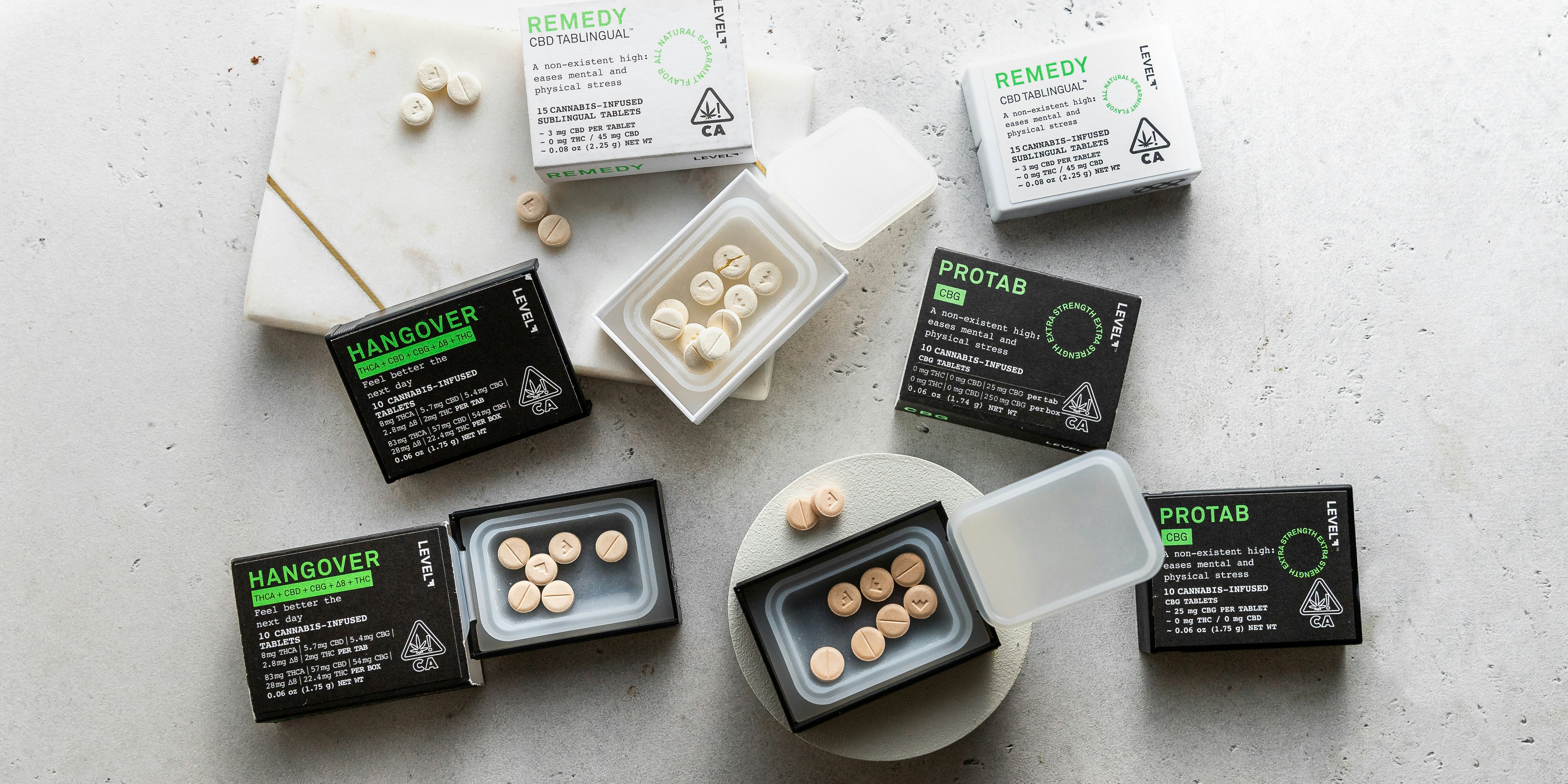
What THCA is and Why It Matters: Chemical Basics, Key Differences From THC, and Practical Effects
THCA is the acidic, natural form of the compound typically found in fresh cannabis flower and trim. Chemically it carries an extra carboxyl group compared with THC, which is why it’s often called a precursor: exposure to heat or prolonged time removes that group in a process called decarboxylation, converting THCA into the familiar Δ9‑THC. In its native state THCA is generally non-intoxicating and interacts differently with the body’s endocannabinoid receptors than THC, making its presence and stability a key factor for both consumers and cultivators.
understanding the differences between the two matters in practise. Key points to keep in mind include:
- Structure: THCA has an extra acidic group; THC does not.
- Psychoactivity: THCA is largely non‑psychoactive; THC produces the classic “high.”
- Activation: Heat or time converts THCA → THC through decarboxylation.
- Testing & labeling: Lab results and product labels should distinguish the two for accurate potency and legal compliance.
From a practical perspective, choices about consumption and storage influence whether you experience THCA or THC effects. If you want to preserve THCA, cold methods (juicing fresh leaves, low‑temp extraction, tinctures made without heat) help keep the molecule intact. if you plan to inhale, bake, or vaporize, expect decarboxylation and predominantly THC effects. Researchers are also exploring THCA’s non‑intoxicating biological activity-anti‑inflammatory and neuroprotective signals appear in early studies-but these findings are preliminary and should be treated as emerging science, not definitive therapeutic claims.
| Property | THCA | THC |
|---|---|---|
| Psychoactivity | Minimal / none | Yes – intoxicating |
| Molecular Formula | C22H30O4 | C21H30O2 |
| How it’s found | Raw plant, fresh extracts | Heated flower, smoked/vaped, baked goods |
| Practical use | Raw consumption, specific extracts | Recreational and many medicinal preparations |

How THCA Converts and Interacts: Decarboxylation,Bioavailability,and Implications for Use
THCA begins its life as the plant’s non-intoxicating acid form,rich and fragile in living cannabis. When exposed to heat, light, or simply time, it sheds a small carboxyl ring and becomes THC – a chemical shift called decarboxylation. This transformation is a gradual chemical release rather than a dramatic change: lower, sustained temperatures favor gentle conversion while intense heat accelerates it. Because raw THCA itself does not bind strongly to the CB1 receptors that produce psychoactive effects, the act of converting it is what changes the interaction profile with the body.
How it reaches your system matters as much as whether it’s been converted.Different consumption routes change both the pace and the potency of effects. Consider these general profiles:
- inhalation: Fast onset, higher peak effects – heat converts THCA instantly at the point of inhalation.
- Oral ingestion: Slower onset,longer duration – the liver metabolizes compounds and can create stronger metabolites.
- Sublingual/Topical: Intermediate or local effects – sublingual can bypass some first-pass metabolism, topical tends to remain localized.
- Raw use (juicing, extracts): Preserves THCA’s non-intoxicating profile and taps different therapeutic niches.
These pathways influence bioavailability: how much of the active molecule actually reaches receptors and how quickly.
Practical implications ripple from conversion chemistry to daily use.Store material cool, dark, and airtight to slow unwanted decarboxylation; choose raw or heated products based on whether you want psychoactive effects or the reported therapeutic qualities of acidic cannabinoids. Be mindful of interactions – the entourage effect means terpenes and other cannabinoids can amplify or modulate outcomes, and co-administered medications may alter liver metabolism. The table below gives a simple snapshot of typical bioavailability and onset to guide choices without promising exact outcomes.
| Route | approx. Bioavailability | Onset |
|---|---|---|
| Inhalation | 25-50% | Minutes |
| Oral | 5-20% | 30-120 minutes |
| Sublingual/Topical | Variable | Minutes to hours |
| Raw (uncarboxylated) | Low systemic | Variable, non-intoxicating |

Safe Use and Storage Strategies: Temperature Control, Handling Tips, and Minimizing Risk
Keep it cool, dark and consistent. THCA-rich material is sensitive to heat, light and fluctuating conditions – these are the enemies of potency and freshness. Aim for stable temperatures and low light exposure: most flower and raw extracts fare best at a steady cool room temperature (roughly 15-21°C / 59-70°F) for everyday use, while tightly sealed refrigeration (2-8°C / 36-46°F) can extend shelf life for longer periods. Avoid temperature spikes (for example, leaving products in a hot car or on a windowsill) that accelerate degradation and unwanted chemical changes.
Practical handling makes a real difference. A few small habits reduce contamination and accidental activation:
- Store in airtight, opaque containers – amber glass jars or sealed mylar bags block light and oxygen.
- Minimize direct contact – use clean tools instead of bare hands to reduce oils and microbes.
- Label clearly with content, date received and any potency/testing info so items are easy to identify.
- Rotate stock (first in, first out) to use older material before fresher batches.
These small steps preserve quality and reduce accidental exposure.
Minimizing risk goes beyond storage: treat THCA products like any sensitive, controlled material. Keep them out of reach and sight of children and pets and separate from food and supplements to avoid confusion. When handling concentrates or non-consumable preparations, consider basic PPE (gloves and eye protection) and work on a clean surface to prevent cross-contamination. Dispose of unwanted material responsibly – don’t leave it in open trash where animals or curious people might find it.
| Product Type | Short-term | Long-term | Preferred Container |
|---|---|---|---|
| Raw flower | 15-21°C, 55-62% RH | Cool fridge (sealed) | Amber glass jar |
| Tinctures/solvents | Cool, dark cupboard | Refrigerated in sealed bottle | Dropper bottle (dark) |
| Concentrates | Cool stable temp | Cold storage, avoid freezing | Silicone or glass, airtight |
Dosing and Consumption Methods: Practical Recommendations for Raw, Vaporized, and Infused Forms
When approaching THCA dosing, the golden rule is start low and go slow. Laboratory labeling varies, so rely on product testing when available and think in small, repeatable increments rather than large, one-time amounts. Keep a simple journal of dose, method, and subjective effects for several days – that past record is frequently enough more useful than a single advice. remember that heat changes THCA into THC, so the form you choose directly affects potency and experience.
For raw consumption (juices, smoothies, fresh flower in salads), THCA is largely preserved and typically non-intoxicating. Practical starting points: 1-3 grams of fresh, finely chopped plant matter is a reasonable first serving for most people; adjust upward slightly for repeated use. Raw preparations emphasize freshness,cold extraction,and pairing with fatty foods (for overall cannabinoid absorption in the diet). Tips:
- Use fresh, clean plant material and blend/juice thoroughly to release cellular content.
- Keep servings consistent – measure by grams or tablespoons rather than loose handfuls.
- Expect subtle, cumulative effects and allow several days of regular use before changing dose.
Vaporizing introduces heat and thus partial or full conversion of THCA into THC; dosing here behaves like inhaled cannabinoids. A conservative approach is to begin with 1-2 short draws on a low-to-moderate temperature setting, then wait 10-15 minutes before repeating. Recommended vaporizer range for mindful decarboxylation and terpene preservation is roughly 160-210°C (320-410°F), starting low and titrating upward if needed. Quick practical pointers:
- Use a quality device with a temperature readout to control conversion.
- Count draws rather than grams for repeatability.
- Allow at least 1-3 hours between sessions to assess cumulative effect.
Infused products (tinctures, edibles, oils) usually involve deliberate decarboxylation to convert THCA into THC – dosing is thus best thoght of in milligrams of THC equivalent. New users should consider 2.5-5 mg as a starting microdose for psychoactive preparations; wait at least 2 hours for full onset before increasing. For non-decarboxylated tinctures (raw THCA extracts), follow the same cautious approach as raw flower but measure by volume and batch potency. Quick comparison:
| Form | Typical starting dose | Onset | Typical duration |
|---|---|---|---|
| Raw (juice/tincture) | 1-3 g fresh | 15-60 min (subtle) | Variable, often subtle |
| Vaporized | 1-2 draws / 2.5-5 mg equiv. | 2-10 min | 1-3 hours |
| Infused (edibles/tinctures) | 2.5-5 mg THC (start) | 30-120 min | 4-10 hours |
Choosing Quality THCA products: Reading Lab Results, Avoiding Contaminants, and Evaluating Potency
A COA (Certificate of Analysis) is the map to understanding any THCA product-read it like a navigator. Start by locating the cannabinoid panel: THCA should be listed in both milligrams per gram (mg/g) and percentage. Check the test date and batch number to ensure the report matches the product and is recent. Pay attention to units and decimals; a value expressed as “%” describes concentration by weight, while mg/g is useful for dosing calculations. If a product lists only a generic “THC” number without specifying THCA vs. Δ9-THC, consider that a red flag.
Contaminant screens are equally important. Reputable labs will report results for pesticides, heavy metals, residual solvents, and microbial contaminants, often with “ND” (not detected) or numeric limits. Look for labs with ISO/IEC 17025 accreditation or recognized state lab credentials; these lend credibility to methodologies and detection limits. If solvents or pesticides are reported, verify they fall below established safety thresholds and are not simply omitted from the report.
Potency evaluation is about verifying claims and estimating real-world effect. Compare label claims to COA numbers-if a product touts ultra-high potency but the COA shows significantly less, that’s a sign to pause. Remember the decarboxylation factor: when THCA converts to Δ9-THC through heat, the practical THC yield is approximately 0.877 × THCA. Use that factor to roughly estimate how much active THC might be produced during vaping or smoking. Also review the terpene profile-terpenes influence flavor and may modulate effects, so a listed terpene panel is a quality marker.
Keep this quick checklist handy:
- Must-have: Valid COA with batch number and test date.
- Must-check: Cannabinoid breakdown (THCA explicitly listed).
- must-check: Contaminant results with detection limits and lab accreditation.
- Red flags: Missing COA, overly vague labeling, or suspiciously high potency claims.
| Report Item | What to Look For |
|---|---|
| THCA | Percentage and mg/g listed (matches label) |
| Pesticides | “ND” or below legal limits |
| Solvents | None detected for concentrates |
| Lab Accreditation | ISO 17025 or state-recognized |
Legal, Medical, and Research Considerations: Navigating Regulations, Patient Guidance, and Emerging Evidence
The legal picture around THCA is a mosaic: jurisdictions treat raw acidic cannabinoids, hemp-derived material, and cannabis-derived material very differently. This creates practical consequences for consumers, retailers, and researchers-everything from how products are labeled to whether mail-order is permitted. Product testing, chain-of-custody, and clear labeling become essential because a single test that shows conversion to THC during processing or storage can change regulatory status overnight. Employers, labs, and transport authorities may still apply traditional THC rules, so awareness of local statutes and official guidance is crucial for anyone handling or recommending THCA-containing products.
Clinical uses remain investigational and sparse; simultaneously occurring patient safety and informed decision-making should drive conversations. Clinicians and patients benefit from clear documentation and conservative practices: bring product labels to appointments, disclose all cannabis or hemp products, and watch for interactions with medications metabolized by common hepatic enzymes. Vulnerable populations-pregnant people, children, and immunocompromised patients-should be prioritized for caution. Practical steps to reduce risk include:
- Share product information with your healthcare provider (lot number, COA if available).
- Avoid driving or operating machinery until effects and legal status are clarified.
- Report adverse events to clinicians or appropriate public-health registries.
- Confirm workplace testing policies and know that some tests cannot distinguish THCA from THC.
Research is nascent: preclinical models hint at biological activity, observational reports offer signals, and randomized trials are only beginning. Progress will depend on standardized material, clear reporting, and multi-site collaboration. The table below summarizes the current research landscape in brief:
| Study type | Current status | Takeaway |
|---|---|---|
| Preclinical | Active | Mechanistic signals; variable dosing |
| Observational | Limited | Real-world reports but confounders |
| Randomized trials | Early | Few, small; need replication |
As evidence and regulation evolve, staying updated through reputable sources and registries will help clinicians, patients, and policymakers navigate uncertainty. Emphasizing transparency, safety monitoring, and rigorous study design will be the quickest way to move THCA from curiosity to clinically meaningful knowledge.
Key Takeaways
As we’ve unfolded the science, uses, and precautions around THCA, you now have a clearer map of a compound that’s frequently enough overlooked yet quietly critically important. Whether you came for the chemistry, the consumer tips, or the legal and safety context, remember that knowledge is the tool that turns curiosity into responsible action.
Keep practical takeaways close: check lab testing where possible, store products properly, be mindful of local laws, and treat dosing conservatively when trying somthing new. If questions about health effects or interactions arise, consult a qualified professional rather than relying solely on headlines or anecdote.THCA sits at the intersection of science, law, and everyday experience – an invitation to learn rather than a prescription. Continue exploring with a critical eye, stay informed as research advances, and approach new products with caution and respect. Your informed choices are the best guide forward.

