



Walk into a dispensary, leaf through a lab report, or hear the word in a conversation about raw cannabis and you’ll encounter a quiet sibling of THC: THCA. Less famous, more fragile, and often misunderstood, THCA occupies a curious middle ground – a naturally occurring compound in the plant that behaves differently depending on how you handle it. This article, THCA Explained: Practical Tips for Safe Usage, aims to demystify that behavior and give you clear, pragmatic guidance without the hype.
At its simplest, THCA is the acidic precursor to THC. In living cannabis it’s abundant and non-intoxicating; when exposed to heat or time, it can decarboxylate into THC and change how it affects the user. But beyond that basic chemistry lies a tangle of choices: how to store and handle raw flower, how different consumption methods influence effects, how lab testing informs safer decisions, and how laws and individual health factors should shape your approach. We’ll unpack these topics with straightforward explanations and actionable tips.
This introduction won’t resolve every question – the science continues to evolve – but it will set you up to make informed, cautious decisions. Whether you’re a curious consumer, a caregiver, or someone working in the cannabis industry, read on for practical, neutral advice on recognizing THCA, reducing risks, and using products responsibly in varied contexts.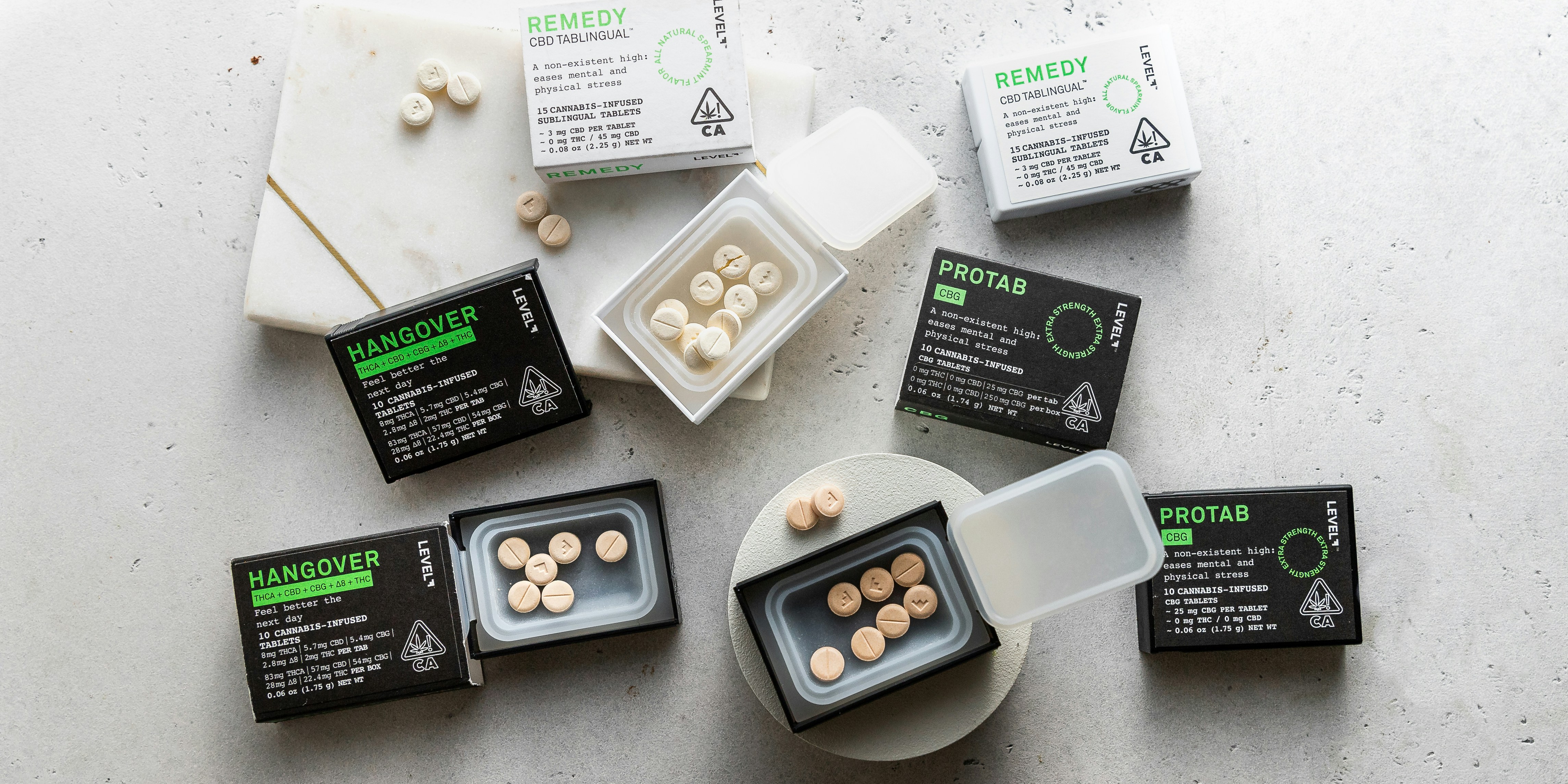
Practical Dosing Advice: Start Low Go Slow,Titration Timing and Record Keeping
When experimenting with THCA,a cautious approach pays off: begin with a very small amount and increase slowly. Different consumption methods change how quickly effects appear-sublingual tinctures often show effects within 15-60 minutes, while edibles (or products that decarboxylate) can take 60-180 minutes. As of that lag, resist the urge to re-dose too soon; give each step time to reveal its full effect before changing dose. If you’re aiming to microdose,many users start in the low single-digit milligram range,but the safest guide is how you feel rather than any fixed number.
| Sample Titration | Dose (THCA) | Timing / Note |
|---|---|---|
| Day 1 | 1 mg | Observe for 24-48 hrs |
| Day 3-5 | 2 mg | Increase only if no adverse effects |
| Week 2 | 3-4 mg | Re-evaluate goals; slow further change |
Good record keeping turns guesswork into data. Keep a simple log-digital or paper-with a few consistent fields:
- Amount: exact mg and product batch.
- Time & Method: when and how you took it (sublingual, edible, vaporized).
- Onset & Duration: when effects started, peaked, and faded.
- Effects & Side Effects: positive changes and any negatives, rated 1-10.
These short entries let you spot patterns and make safer, more informed adjustments.
Keep labels and dosing tools consistent-same spoon, syringe or dropper-so measurements remain reliable. Stop escalating if you notice unwanted symptoms, and consider sharing your log with a healthcare professional if you’re using other medications or managing health conditions. Above all, patience is your ally: small, purposeful steps and clear notes will give you the clearest picture of what works for you.
Drug Interactions, Contraindications and When to Consult a Healthcare Professional
Think of THCA as biologically active but still mysterious – it doesn’t produce the same high as THC, yet it can influence how other medicines behave in your body. Many cannabinoids (and their acidic precursors) interact with liver enzymes,especially the CYP450 family,which can speed up or slow down the breakdown of prescription drugs. The practical result: blood levels of some medications can change unexpectedly, altering effectiveness or increasing side effects. As science is still catching up, erring on the side of caution is wise.
Before trying THCA,check in with your prescriber if you are on any of the following:
- Anticoagulants and antiplatelet drugs (e.g., warfarin, aspirin) – risk of altered bleeding tendency.
- Antiepileptics and mood stabilizers – seizure control and blood concentrations may be affected.
- Benzodiazepines, opioids, or other sedatives – potential for increased drowsiness or respiratory depression.
- Immunosuppressants and certain statins – interactions via liver metabolism can change drug levels.
| Medication class | Potential effect with THCA | Why consult |
|---|---|---|
| Anticoagulants | Altered clotting, bleeding risk | Dose adjustments or monitoring may be needed |
| Antiepileptics | Change in seizure threshold | Neurologic follow-up recommended |
| Sedatives / Opioids | Increased sedation | Avoid driving; assess combined effects |
Some people should avoid THCA altogether or only use it under close supervision: pregnant or breastfeeding individuals, young children, anyone with active psychosis or a strong family history of schizophrenia, and those with severe liver disease. If you are facing surgery, starting a new prescription, noticing unexplained bleeding, extreme sedation, or any sudden change in your condition after using THCA, consult a healthcare professional promptly. Keep an up-to-date medication list and share it – small details can prevent big problems.
Legal Status, Storage, Labeling and Responsible Use tips for Home and Travel
across jurisdictions, THCA often sits in a gray area: technically non-intoxicating in its raw form, it can still be regulated the same way as THC depending on conversions, intent, and local statutes. Always check local and state laws before purchasing or transporting, because what’s legal in one county can be a felony in the next. Remember that airlines and border authorities treat cannabis products harshly-crossing international borders with THCA or any cannabinoid is generally prohibited.
Proper storage is both a safety and potency issue. Keep THCA products in airtight, opaque containers away from heat and sunlight to minimize degradation and accidental decarboxylation. Use clear,consistent labeling: include the product name,concentration,purchase date,and recommended serving size. A short checklist of essential label items helps reduce mistakes:
- Product name and form (flower,concentrate,tincture)
- THCA concentration and total weight
- batch or lot number and purchase date
- Usage instructions and storage conditions
At home,establish a single,secure storage spot-preferably a locked cabinet out of sight and reach of children and pets.Adopt basic responsible-use habits: dose low and go slow, avoid mixing with alcohol or sedatives, and do not drive or operate machinery after use. For travel,pack only what’s legally permitted,keep products in original,labeled packaging,and carry proof of purchase or medical authorization if applicable. Rapid travel tips:
- Confirm state and airline policies well before departure.
- keep products sealed and in luggage when allowed; never bring across international borders.
- Use odorproof containers to avoid unwanted attention.
| Region | Typical Status | Practical Note |
|---|---|---|
| United States | Varies by state | State laws differ; federal travel prohibited |
| Canada | Legal federally for cannabis | retail rules apply; check provincial limits |
| European Union | Patchwork of regulations | Some countries allow low-THC; others ban |
| Travel | Generally prohibited | Do not cross borders with THCA products |
When in doubt,verify-consult your local regulatory authority or a healthcare professional if you have medical questions. Thoughtful labeling,secure storage,and informed travel planning will keep both your belongings and your conscience clear.
Insights and Conclusions
Like any compound with a story to tell, THCA sits quietly at the edge of the conversation – chemically distinct from THC, active in different ways, and meaningful for people who want the benefits of the plant without immediate psychoactivity. The practical tips in this article aren’t a prescription so much as a map: learn the labels, verify lab testing, respect decarboxylation (heat changes things), start low and go slow, and keep products clearly labeled and out of reach of children and pets.
Safety is a habit as much as a rule. Use trusted sources, keep a log of how different forms and doses affect you, and check local laws and a healthcare professional when in doubt. If you’re sharing with others, communicate openly about potency and intended effects so everyone can make informed choices.THCA doesn’t require mystique to be useful – it needs attention.Stay curious, stay cautious, and let careful practise guide you toward the experience you want while minimizing surprises.

