



Like a sleeping note in a familiar melody, THCa (tetrahydrocannabinolic acid) sits quietly in the cannabis plant until heat wakes it into the more widely known THC. Invisible to the mind-altering effects associated with smoking or baking, THCa is the raw, acidic precursor present in fresh flowers and leaves – a compound generating renewed interest from researchers, clinicians, and curious consumers alike.
This article peels back the layers on THCa: what it is, how it differs from THC, and why people are exploring its potential health effects. We’ll summarize the current science and anecdotal signals,highlight safety considerations and practical usage tips,and walk through legal and testing issues so readers can make informed choices. balanced and evidence-focused, the guide aims to clarify what is known, what remains uncertain, and how to approach THCa responsibly.
Clinical Evidence and Potential Benefits: What Studies Suggest for Pain, Inflammation, Sleep, and Neuroprotection
Clinical data on THCa remain early but increasingly intriguing: most rigorous work so far is preclinical (cell culture and animal models), with a handful of small human reports and observational studies beginning to appear. These early studies point to anti‑inflammatory and neuromodulatory actions distinct from THC’s psychoactivity, since THCa is largely non‑intoxicating and appears to act through different molecular targets (including TRP channels and inflammatory signaling pathways). Importantly, researchers emphasize that findings are preliminary – promising signals that require larger, controlled clinical trials before firm conclusions or treatment recommendations can be made.
When it comes to pain and inflammation, the pattern in the literature is consistent: THCa shows analgesic and anti‑inflammatory effects in animal models and in small human case series. Typical findings include reduced markers of inflammation, decreased pain behaviors in animals, and subjective symptom relief reported by some patients. Common themes reported across studies and anecdotal reports include:
- Reduced inflammatory cytokines in preclinical assays.
- Lowered pain sensitivity in neuropathic and inflammatory pain models.
- Potential synergy when combined with other cannabinoids or terpenes, suggesting an entourage affect.
Evidence for sleep enhancement and neuroprotection is modest but biologically plausible. In animal work THCa has shown antioxidant properties and the ability to modulate excitotoxic cascades implicated in neuronal injury; small human surveys and case reports also describe improved sleep onset and continuity after THCa use. Mechanistically, proposed actions include modulation of inflammatory signaling, antioxidant effects, and indirect modulation of endocannabinoid tone – all of which could contribute to neuroprotective and sleep‑supporting outcomes.
| Condition | Evidence Level | Study Types | Key Takeaway |
|---|---|---|---|
| Pain | Preclinical → Early clinical | Animal models, small case series | Promising analgesic signals; more trials needed |
| Inflammation | Preclinical | Cell assays, rodent studies | Consistent anti‑inflammatory effects in models |
| Sleep | Anecdotal → Preliminary | Surveys, case reports | Some users report better sleep; controlled studies sparse |
| Neuroprotection | Preclinical | Neuronal culture, ischemia models | Antioxidant and anti‑excitotoxic potential observed |

Safe Consumption Practices and Dosing Recommendations for Flower, Tinctures, Vapes, and Raw Use
when approaching THCa products, the best rule is simple: start low and go slow. THCa itself is non-intoxicating until heated, so remember that any heating step (smoking, vaping, baking) will convert some THCa into THC and increase psychoactive effects. Titrate doses in small increments, wait the appropriate amount of time for the chosen administration route, and keep a consumption journal for personal tolerance tracking. Opt for lab-tested products and clearly labeled potency to reduce surprises.
For flower and vaporizers, dosing is measured by inhalation rather than milliliters or drops. If you’re using a flower that’s intended to preserve THCa (raw or cold-cured), avoid combustion if you wont to remain non-intoxicated; combustion will decarboxylate THCa into THC. With vapes and concentrates expect fast onset – effects typically begin within 2-10 minutes – so take a single short puff, wait at least 10-15 minutes, then reassess before additional inhalations. Always use quality devices, clean chambers regularly, and avoid devices that produce visible combustion or vrey high temperatures.
Tinctures offer more predictable microdosing because they can be measured in milligrams and administered sublingually or mixed into cold foods and drinks. Sublingual absorption generally begins within 15-45 minutes and is a good middle-ground between inhalation and edibles. Raw consumption (juicing or eating fresh plant material) typically preserves THCa without psychoactive conversion; people choose this for potential non-intoxicating effects. Note that potency in raw material is low per gram, so effects are subtle and dosing is imprecise without lab analysis.
- Wait times: inhale 10-15 min, sublingual 15-45 min, edible/decoked 60-120 min.
- Label literacy: confirm THCa vs THC content on lab reports before estimating psychoactive potential.
- Environment: consume in a safe,familiar place and avoid driving or operating machinery until you know effects.
- Storage: keep products sealed, cool, and out of reach of children and pets.
| Method | Typical Starter Dose | Approx. Onset | Notes |
|---|---|---|---|
| Flower (smoked) | 1 short puff | 2-10 min | Heating converts THCa → THC; dose conservatively. |
| Vape (cartridge/concentrate) | 1 small inhale | 2-10 min | Fast onset; use low-temp settings when possible. |
| Tincture (sublingual) | 2-5 mg (THCa/THC equiv.) | 15-45 min | Measure drops; hold under tongue for 30-60 sec. |
| Raw (juicing/eating) | Varies-start small | 30-60 min (mild) | Non-intoxicating unless heated; potency variable. |
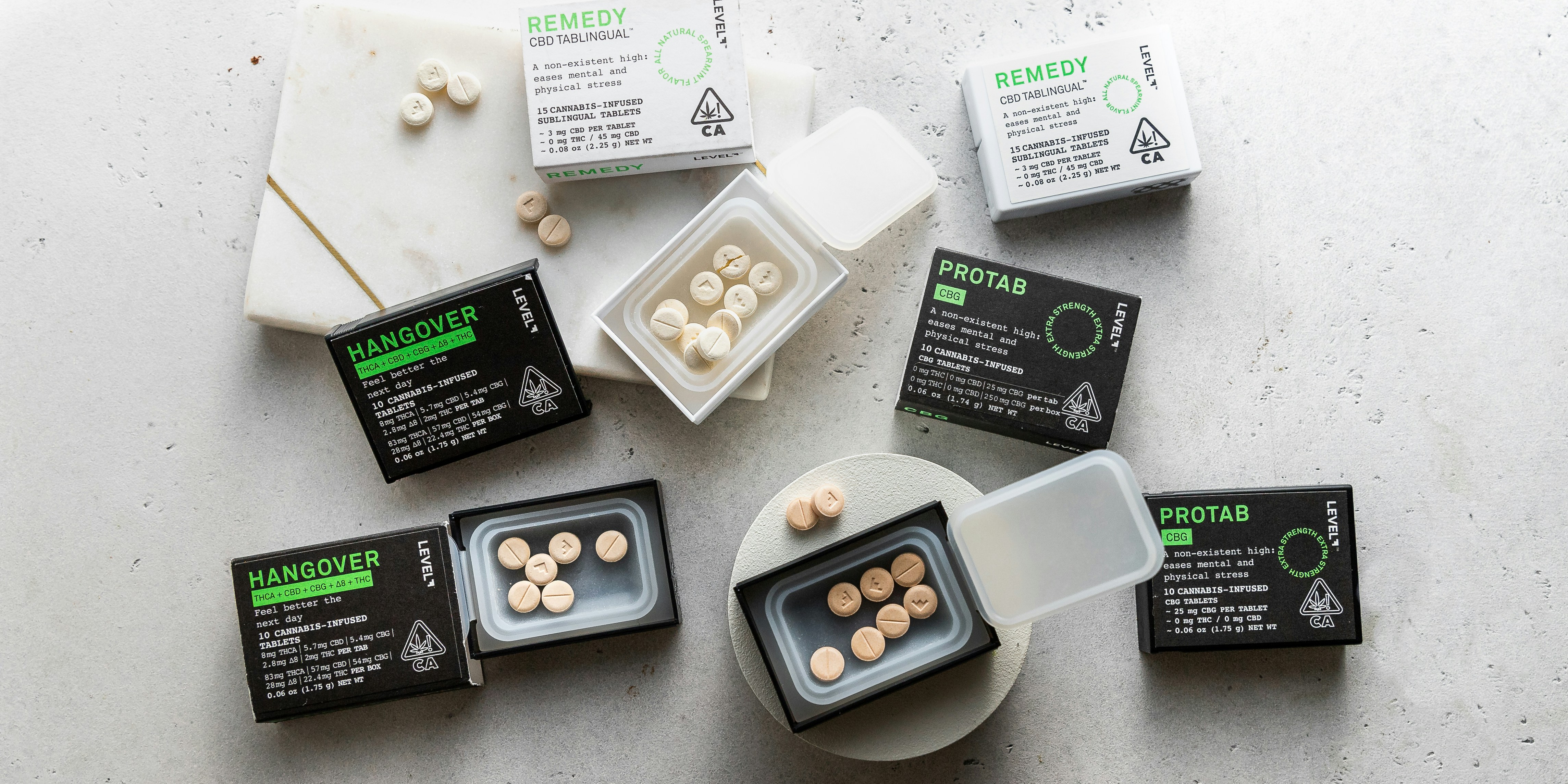
Preventing Accidental Activation: Decarboxylation, Storage, and Preparation Best Practices
Heat is the silent switch that turns THCa into psychoactive THC, so controlling temperature during every stage of handling is essential. store raw, unactivated extracts and flower well below temperatures that promote decarboxylation - ideally in cool, dark conditions and away from direct sunlight or warm appliances. When transporting or displaying products, avoid leaving them in cars, near ovens, or under radiant lights; even modest, sustained warmth will slowly encourage conversion over time. Think cool and dark – not warm and exposed.
Practical storage choices make a big difference for stability and safety. Use airtight, opaque containers to block oxygen and light, and consider refrigeration or freezing for long-term preservation of THCa-rich materials.Keep humidity low (aim under 50%) to prevent mold while also avoiding overly dry conditions that can degrade delicate resins. Always label containers clearly with content, concentration, and a “No Heat” reminder so household members and staff understand the risk.
- Seal: Vacuum or airtight jars to limit oxygen exposure.
- Shade: Opaque or UV-protective packaging prevents light-induced degradation.
- Cool: Refrigerate or freeze for long-term storage; short-term, keep in a cool cupboard.
- Segregate: Store THCa products separately from cooking supplies and heat sources.
When preparing THCa-containing products, use low-temperature infusion techniques and precise thermometers to avoid accidental activation. For topical formulations or raw tinctures, opt for cold extraction methods or short, controlled warm baths that do not exceed safe thresholds. Also adopt clear preparation protocols and dedicated tools (spoons, containers, utensils) to prevent cross-contamination with items used for decarboxylated preparations. The table below offers a speedy checklist of common storage/preparation options and their suitability for preserving THCa.
| Method | Best For | Notes |
|---|---|---|
| Vacuum-sealed jar | short-medium term storage | Blocks oxygen; keep cool |
| Refrigeration | Medium term | Good for concentrates; avoid repeated thawing |
| Freezing | Long term | Best for minimal activation risk; wrap to prevent freezer burn |
Final Thoughts
as we’ve seen,THCa occupies an intriguing corner of the cannabis world – a non‑psychoactive precursor with a budding body of research,practical uses for some people,and clear caveats around legality,dosing,and preparation.Think of it as a puzzle piece: promising and useful in certain contexts, but part of a larger picture that includes individual health, product quality, and the laws where you live.
If you consider trying THCa, approach it like any other supplement or compound: get informed, choose reliable sources and tested products, start low and go slow, and be mindful that heating changes its chemistry (THCa converts to THC when decarboxylated). Talk with a healthcare professional if you have medical conditions or take medications, and follow local regulations and product labeling.
Research into THCa is ongoing, and our understanding will continue to evolve. For now, balanced caution combined with curiosity – not rush, not fear - is the clearest path forward. Whether you’re exploring THCa for personal interest,wellness experimentation,or professional reasons,let patience and good data guide your steps.

