Beneath the familiar serrated leaves and resinous buds of the cannabis plant lies a quieter chemistry lesson: THCA. Short for tetrahydrocannabinolic acid, THCA is a naturally occurring cannabinoid that exists in living plant tissue and acts as a chemical predecessor to the well-known psychoactive compound THC. It’s a molecule that tells a story about biology, chemistry and regulation – one that unfolds from a growing tip to a laboratory vial.
This article takes that story step by step. We’ll stroll through how THCA is formed inside the plant, how scientists identify and measure it, and what happens when heat, time or processing transform it into other compounds. Along the way we’ll separate observable facts from common myths, highlight the methods researchers use to study THCA, and touch on the legal and medical questions that surround it.
If you’re curious about the science behind cannabinoids but don’t want dense jargon, consider this your guided tour. Expect clear explanations, practical context and enough detail to understand why THCA matters – weather you come from a lab, a clinic, the industry, or simply want to know what’s really inside the plant.
Managing Decarboxylation and Processing Steps to Minimize THCA Loss and Control Conversion
preserving the acidic form of the molecule is as much about restraint as it is indeed about technique. Instead of brute heat, prioritize strategies that limit exposure to the three culprits of unwanted conversion: heat, oxygen, and prolonged processing time. Gentle, staged workflows-where a sample moves quickly from harvest to cold storage and then to an extraction step-dramatically reduce incidental decarboxylation. Equally crucial is moisture control: dry too quickly and you stress the plant; dry too slowly and enzymatic changes continue. Routine batch-level testing gives the only objective measure of how well your controls are working, so make analytical checkpoints part of the process, not an afterthought.
Choice of extraction and downstream processing determines how much THCA ends up in the final product. Methods that keep plant material cold and limit agitation favor retention, while aggressive heating or open-air evaporation promotes conversion. Consider closed, inert workflows and solvent selections that support low-temperature processing. Post-extraction clean‑up-such as filtration and winterization-should be timed and executed to minimize hold times and re-exposure to oxygen and light, and to preserve delicate terpenes that frequently enough disappear with unmanaged heat.
- Cold extraction and minimized hold times to protect the acidic profile
- Inert gas blanketing (nitrogen/argon) to displace oxygen during sensitive steps
- Vacuum-assisted concentration to reduce thermal stress while removing solvents
- frequent analytical QC (e.g., chromatography) to monitor THCA vs. conversion products
Practical lab choices-closed-loop systems, vacuum apparatus, and regulated storage-translate strategy into repeatable outcomes. Use small-scale trials to map how each step affects THCA so you can optimize a temperature‑and‑time profile that fits your goals (preservation vs. intentional conversion). Keep clear records for each batch: starting material condition, processing steps, and QC results.That traceability is the strongest defense against unintentional decarboxylation and the best tool for consistently controlling the chemical fate of the compound.
| Processing Method | THCA Retention | Notes |
|---|---|---|
| Cold solvent extraction | High | Short dwell, low thermal input |
| Controlled low-heat processing | Moderate-High | intentional profile management |
| Full thermal decarboxylation | low | Maximal conversion to non-acid form |
| Cryogenic CO₂ / closed-loop | Very high | Best for terpene and acidic preservation |

Regulatory, Safety, and Consumer Guidance for Responsible production, Labeling, and Use
Regulatory reality differs widely by jurisdiction, so producers and retailers must build compliance into every step: licensing, record-keeping, traceability, and taxes. Adopt recognized quality frameworks (such as GMP-style controls) and maintain transparent documentation for seed-to-sale tracking and batch recalls. Engage with legal counsel and local regulators early to align permits, limits on potency and sales, and any required reporting of inventory or adverse events.
Safety in manufacturing and testing is non-negotiable. Facilities should minimize contamination risks through validated cleaning, environmental monitoring, and qualified personnel; analytical testing by accredited labs should confirm potency and screen for pesticides, heavy metals, residual solvents, and microbial contamination.Core controls include:
- Third-party testing with a Certificate of Analysis (COA) for every batch
- controlled access and employee training on PPE and handling protocols
- Validated sanitation and supply-chain verification for inputs
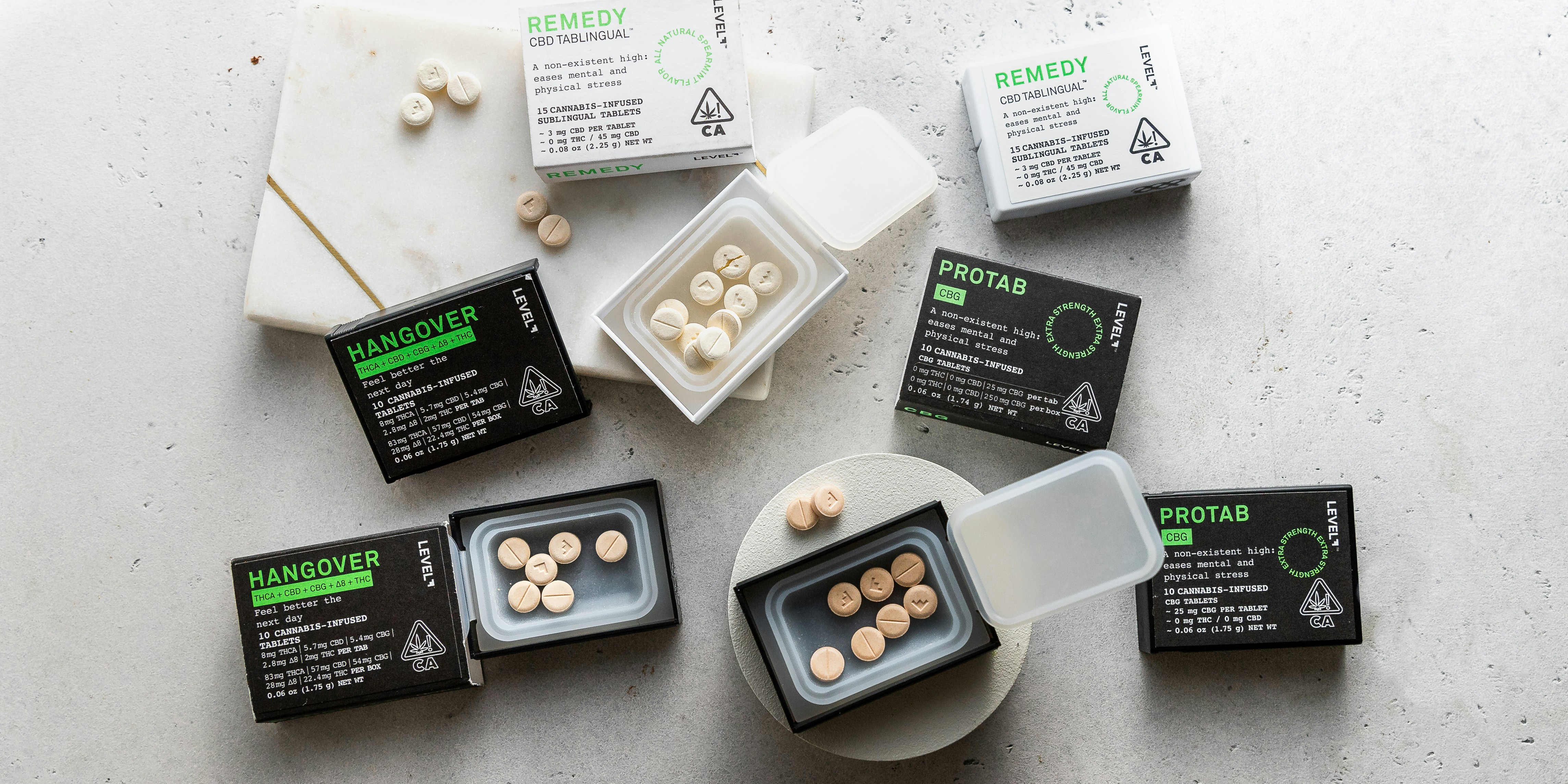
Clear, honest labeling protects consumers and supports regulatory compliance. Labels must state compound identity and concentration (distinctly showing THCA vs. THC), serving size, batch number, production/expiry dates, and safety warnings. The table below summarizes essential label elements and their purpose:
| Label element | Purpose |
|---|---|
| Compound & Potency | Informs dosing and legal limits |
| COA QR code | Provides lab verification for consumers |
| Warnings | Communicates health and legal risks |
| Storage & Use | Ensures product stability and safety |
Educating consumers completes the responsible product lifecycle. Make it clear that raw THCA is non-intoxicating until heated, outline safe dosing and potential drug interactions, and advise against use by children, pregnant or nursing people, and when driving. encourage retailers to offer trained staff, accessible COAs, and an easy path for customers to report adverse reactions-these practices foster trust and keep both people and brands safer.
In Summary
We began with a green leaf and followed a molecular trail: enzymes converting precursor molecules, growers and processors shaping chemistry, and scientists isolating and studying a once-hidden acid. By unpacking biosynthesis, harvest and handling practices, lab analysis, and the legal and research contexts that surround it, this article aimed to turn the complex life cycle of THCA-literally and figuratively-into a clear sequence of steps.
If you want to go deeper,look for peer‑reviewed studies on biosynthetic pathways and pharmacology,check local regulations before handling or using cannabis-derived compounds,and rely on certified laboratory results rather than labels alone. THCA’s story is still being written; its potential uses, stability under different conditions, and interactions with other plant compounds are active areas of investigation, and caution and critical evaluation remain wise companions.
Plants become chemistry, chemistry becomes conversations-about science, safety and policy. whether you’re a curious reader, a student, or a professional in the field, understanding THCA from plant to compound gives you a clearer map for asking the next questions.