



Imagine standing at a bustling market stall of green jars and glass vials, each labeled with codes and percentages that promise something new.For a beginner, that array can feel less like choice and more like a puzzle. THCA for Beginners: Choosing the Right Product aims to turn that puzzle into a clear map – helping you recognize what matters, why it matters, and how to pick a product that fits your needs and comfort level.
THCA (tetrahydrocannabinolic acid) is a naturally occurring compound in raw cannabis plants. Unlike it’s more famous relative THC, THCA is largely non-intoxicating unless it’s heated and converted through decarboxylation. That simple chemical distinction affects everything from how products are made to how they’re labeled and used, so understanding it is indeed the first step toward an informed choice.
This introduction will guide you through the essentials: what THCA is and how it differs from other cannabinoids, the common product types you’ll encounter, how to interpret labels and lab tests, and practical considerations like potency, sourcing, and legal status. the goal is pragmatic: no hype, no jargon-heavy lectures – just a creative, grounded primer to help you navigate the options with confidence.

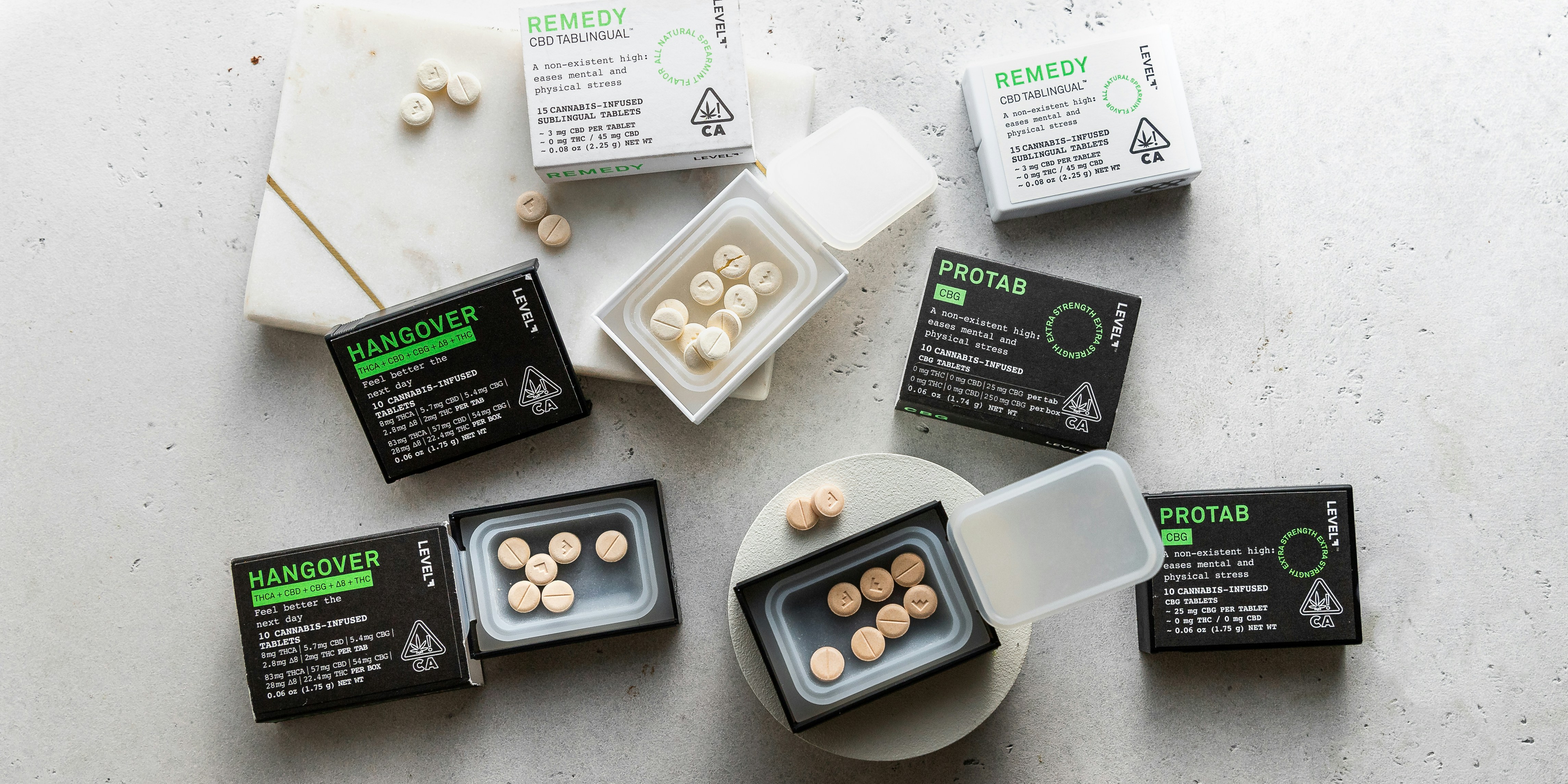
What THCA is and how it differs from THC in effects and legal status
THCA (tetrahydrocannabinolic acid) is the raw, non-intoxicating precursor found in fresh cannabis flowers and leaves. Chemically, it carries an extra carboxyl group that keeps it from binding strongly to the brain’s CB1 receptors the way delta‑9 THC dose. In practical terms, that means eating straight plant material or juicing raw hemp gives you THCA but not the classic “high” associated with baked or smoked cannabis.
How THCA and THC feel-and how they’re used-diverge in predictable ways. THCA is prized in raw or cold‑processed products for its subtle, non‑psychoactive profile, while THC is sought for its psychoactive effects. Key contrasts include:
- Psychoactivity: THCA – generally non‑intoxicating; THC – intoxicating.
- Activation: THCA → THC through heat or time (decarboxylation).
- Typical use: THCA – tinctures, capsules, fresh juicing; THC – smoking, vaping, edibles.
These differences guide how manufacturers label products and how consumers choose for desired outcomes.
Legal treatment is more nuanced than chemistry. Many jurisdictions regulate delta‑9 THC directly, but because THCA converts to THC when heated, some regulators treat high‑THCA products the same as THC products; other places distinguish between the two. Always check local statutes and product certificates rather than assuming parity. below is a quick snapshot of how rules often differ:
| Jurisdiction | Typical rule | Note |
|---|---|---|
| Federal (US) | Focuses on delta‑9 THC percent | THCA may be scrutinized if convertible to THC |
| State-level | Varies widely | Some states list THCA explicitly |
| International | Highly variable | Check local regulations |


Potential benefits and realistic expectations based on current evidence
Scientific interest in THCA is growing, but the picture is far from complete. Most promising results come from laboratory and animal studies showing anti-inflammatory, neuroprotective, and antiemetic activity. Human data are sparse – limited clinical evidence and small observational reports hint at benefits for pain, nausea, and mood, yet large randomized controlled trials are largely absent. In short: the biology looks interesting, but real-world claims outpace the evidence.
Potential benefits reported by researchers and users include:
- Anti-inflammatory support: May reduce markers of inflammation in preclinical models, which could translate to symptom relief for some chronic conditions.
- Neuroprotection and mood support: Early studies suggest neuroprotective pathways and anecdotal mood stabilization,though robust human data are lacking.
- Nausea and appetite modulation: Some users report reduced nausea and modest appetite effects without intoxication.
- Non-intoxicating profile: In its acidic form THCA is not typically psychoactive – a key reason many people explore it.
Manage expectations: results are often subtle and cumulative rather than dramatic.Product variability, bioavailability, and the risk of decarboxylation (heat converts THCA to THC) mean outcomes differ between tinctures, capsules, and raw extracts. always look for third‑party lab results and adopt a “start low, go slow” approach. Consider potential drug interactions and consult a healthcare professional if you’re on prescription medicines.
| Symptom | Evidence Level | Typical sources |
|---|---|---|
| Inflammation / Pain | Preclinical / Limited human | Animal studies, small case reports |
| Nausea | Anecdotal / Early clinical | User reports, pilot studies |
| Mood / neuroprotection | Preclinical | Cell and animal models |


Product types explained: raw flower, concentrates, tinctures, edibles and topicals
Raw flower is the most familiar form: the unprocessed bud that holds a natural abundance of THCA when kept cool and unheated. Consuming it raw-through juicing or adding to smoothies-lets you experience THCA’s non-intoxicating properties. Heat transforms THCA into THC, so smoking or vaping the flower produces a diffrent, psychoactive effect than eating it uncooked. For beginners who want the botanical, whole-plant experience, raw flower is a straightforward way to start.
Concentrates and tinctures offer two very different paths to potency and precision.Concentrates (rosin, live resin, crystalline THCA) are engineered for high strength and rapid onset, favored by experienced users who want small doses with predictable effects. Tinctures-often alcohol or oil-based-can be formulated to retain THCA if processed gently; they deliver controlled, sublingual dosing that suits people seeking measured daily use without the ritual of smoking.
Edibles and topicals expand how THCA can fit into life: edibles provide long-lasting effects and discreet use but require patience (and attention to whether the product was decarboxylated), while topicals target local relief without systemic intoxication.A few quick buying tips for beginners:
- Choose low-dose edibles to learn your tolerance-start under 5 mg of active compound.
- Ask about processing if you want THCA specifically; cold-infused products keep the acid intact.
- Use topicals for sore muscles or skin without expecting a psychoactive experience.
| Form | Onset | Best for |
|---|---|---|
| Raw flower | Immediate (raw), immediate-to-fast if heated | Whole-plant experience, non-intoxicating uses |
| Concentrates | very fast | High potency, microdosing |
| Tinctures / Edibles / Topicals | Sublingual: 15-45 min; Edibles: 30-120 min; Topicals: 10-60 min local | Measured dosing, discreet use, localized relief |
Safe dosing strategies: starting low, titrating and avoiding common risks
When you first experiment with THCA, the safest mantra is to start low and go slow. Different products-flower, tinctures, concentrates, and edibles-release THCA differently, so a dose that feels modest in one form can be potent in another. Treat the label as a guide, not a guarantee: look for clear milligram details and pick the smallest available serving. Carry a small notebook or use a notes app to record what you took, how much, and how you felt over the next few hours.
Careful titration is where beginners learn what works for them. Wait long enough to feel the full effect before increasing: liquids and inhaled forms show effects faster, edibles and infused oils may take 60-120 minutes or more. Increase in small, deliberate steps and give each increment a full test period before adjusting again. Useful rules of thumb include:
- Wait Times: 10-30 minutes for inhaled; 60-120+ minutes for oral products.
- Incremental Changes: Small jumps-think a tiny fraction of a dose rather than a full extra serving.
- Record Keeping: Note time, amount, form, and subjective effects to spot patterns.
| Product Type | Starting Approach | Titration Tip |
|---|---|---|
| Vape/Flower | One small inhale; wait 15-30 min | Add 1 puff at a time |
| Tincture | start with the lowest dropper fraction | Increase by half-drops after 1-2 hrs |
| Edible/Caplet | Choose the smallest mg serving | Wait 2+ hrs before adding |
avoid common risks by being mindful and prepared. Never mix THCA with alcohol or other sedatives until you know how it affects you. Keep products out of reach of children and pets, lock and label containers, and never drive or operate heavy machinery while experimenting. If you take prescription medications or have a serious health condition, consulting a healthcare professional before trying THCA is a sensible step. Small, intentional choices make the difference between a curious, controlled experience and an avoidable mishap.
In Conclusion
As you close this guide, remember that choosing the right THCA product is as much about your intentions and comfort as it is indeed about labels and lab reports. Take a moment to match product form and potency to your goals, prioritize third‑party testing and clear ingredient lists, and stay mindful of local laws and any medical considerations. Approach new products with patience – observe how they affect you, keep notes, and consult a healthcare professional if you have questions. With thoughtful research and a steady, cautious approach, you can explore THCA in a way that feels informed and right for you.