



Imagine walking into a garden at dawn and finding a plant that holds a quiet secret-compounds tucked inside its leaves and buds, each one ready to tell a different story when the sun warms them. THCa is one of those quiet things: the raw,non-psychoactive precursor of the more widely talked-about THC,present in fresh cannabis flower and sparking curiosity among curious newcomers and seasoned users alike.
this article, “THCa for newbies: A Calm Beginner’s Introduction,” is a gentle map for anyone who’s heard the term and wants to understand what it actually means.we’ll peel back scientific jargon into plain language, explain how THCa differs from THC, and explore why people pay attention to it-without hype or heavy-handed claims. You’ll get a clear sense of where thca fits in the broader world of cannabinoids, what questions to ask if you’re researching products, and what considerations-legal, safety, and practical-often come up.
Think of this as an easy first conversation rather than a technical lecture: approachable, measured, and designed to leave you feeling informed rather than overwhelmed. If you’re curious about the basics of cannabinoids, the science behind them, and how THCa is discussed in everyday life, you’re in the right place.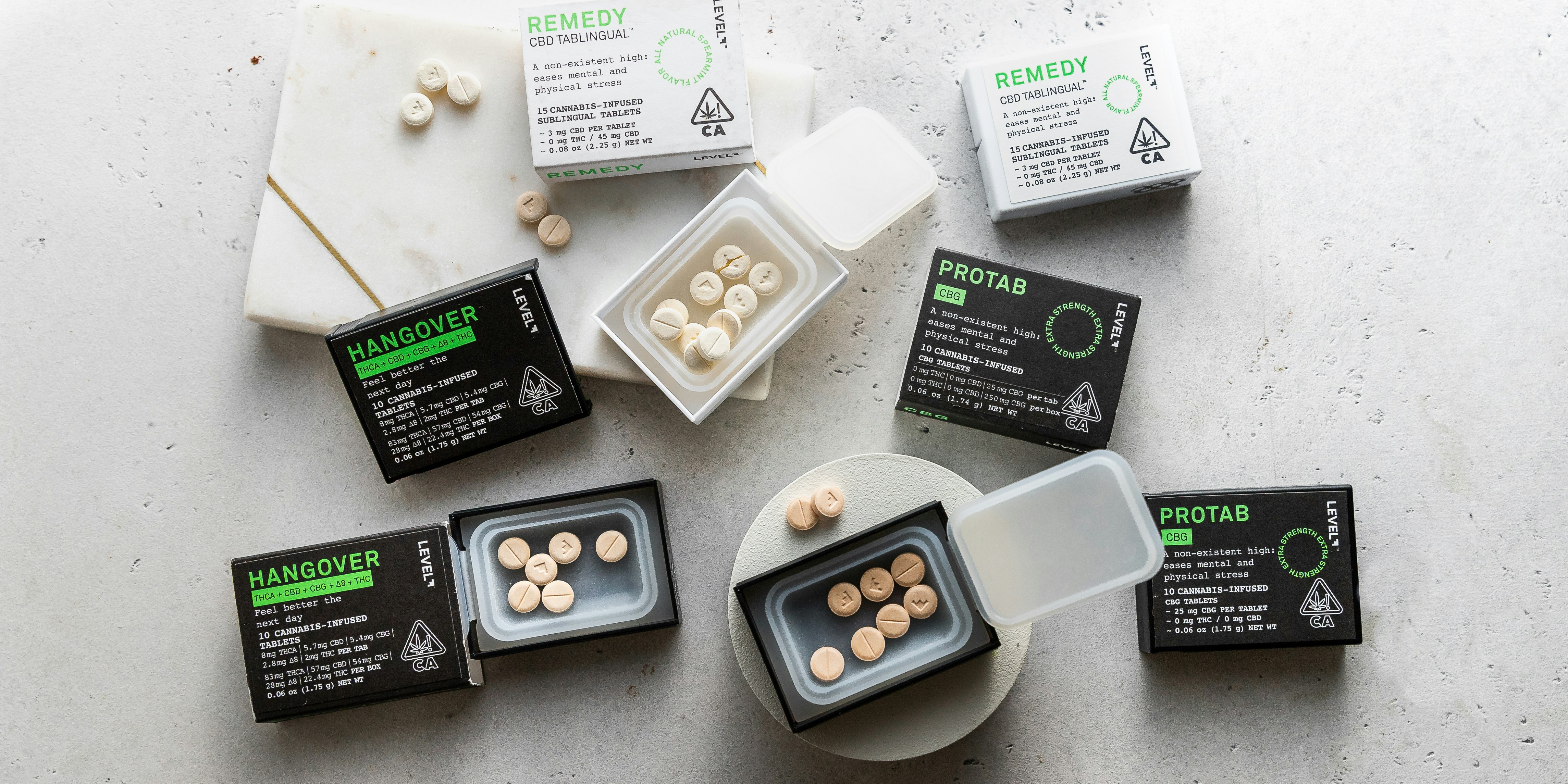
What THCa Is and why It Matters to New Users
THCa is the natural, acidic form of THC that lives in fresh cannabis flowers and leaves.In the plant it looks and behaves differently than the famous psychoactive cannabinoid most people know; in its raw state it does not produce the “high” associated with THC. Think of THCa as a quiet precursor – chemically close to THC, but requiring a change (usually heat) to become active in the way many users expect.
For someone new to cannabis, THCa matters because it changes how you might approach products and dosing. New users often prefer options that offer predictable effects, but THCa presents a middle ground: non‑intoxicating when raw, and possibly intoxicating after heating. That means label reading and method-of-use matter more than they do for already‑decarboxylated products.
- Start small: raw thca items are generally non‑psychoactive, but heating them can produce THC.
- mind the method: juicing or cold tinctures keep THCa intact; smoking, vaping, or baking converts it.
- Check labels: look for THCa percentages vs THC and clear usage instructions.
- Consider testing/legal context: THCa may affect drug tests differently and sits in a shifting legal landscape.
Delivery style shapes the experience: a salad or fresh juice made from cannabis will mostly deliver thca without intoxication, while a baked edible or a joint turns that THCa into THC through decarboxylation. If you plan to try a product that lists thca, decide whether you want the raw, calming potential of the acid form or the activated effects after heat. When in doubt, choose lower doses and allow extra time to observe effects because transitions between THCa and THC can change both intensity and onset.
Speedy comparison
| Feature | THCa | THC |
|---|---|---|
| Psychoactivity | Non‑intoxicating (raw) | Intoxicating |
| Common forms | Fresh flower, cold tinctures, raw juice | Smoked, vaped, decarbed edibles |
| User tip | Try raw for mild, non‑intoxicating effects | Start low and go slow |

choosing reliable Products and Smart Questions to ask Dispensaries or Brands
Look for transparency – reliable THCa products come with clear labeling and accessible third‑party lab reports (COAs).A trustworthy COA shows the exact THCa percentage, levels of other cannabinoids, terpene profile, and tests for pesticides, heavy metals, and residual solvents. Packaging that lists batch numbers, extraction method, and full ingredient lists is a strong signal that the brand has nothing to hide. If a product description feels vague or the retailer can’t produce recent lab results, step back.
Practical buying habits matter: purchase small quantities when trying something new, prefer licensed dispensaries or reputable brands, and note whether the product derives from hemp or cannabis (this affects legality and labeling). Store THCa products per the label (cool, dark places for concentrates; sealed containers for flower) and check expiration or harvest dates. Remember, price isn’t the only quality indicator – lab transparency, consistent batch results, and customer reviews often tell a clearer story.
- can I see the COA for this specific batch? – Verify batch number and date to ensure results match the product in hand.
- What is the reported THCa percentage and terpene profile? – Helps predict potency and effects.
- How was this extracted? – Ask about solvents used and whether residual solvent testing was performed.
- Is this lab testing third‑party? – Independent labs reduce conflict of interest.
- what are recommended doses and onset times for this format? – Essential for safe beginner use.
| Product Format | What to Confirm |
|---|---|
| Crystalline / Isolate | Purity level, COA for solvents and potency |
| Live Resin / Sauce | Terpene profile, batch COA, storage advice |
| Vape Cartridge | Cartridge materials, extraction solvents, lab testing |
| Tincture / Sublingual | Carrier oil, dosage instructions, third‑party lab results |
Concluding Remarks
You’ve taken a quiet walk through the basics of THCa – what it is, how it behaves, and why it’s attracting curious attention. Think of this as the map you use before you decide whether to explore the terrain: the cannabinoid in its raw form, the ways it changes with heat, the gaps that still exist in the research, and the practical checkpoints (labels, lab tests, local laws, and medical advice) that keep the journey steady.
If you’re intrigued,move forward slowly and deliberately. Read product information, ask questions at dispensaries or from healthcare professionals, and pay attention to how your body responds. Curiosity paired with caution will serve you better than rushing toward the unknown.
Above all,remember that THCa is just one thread in a much larger tapestry of cannabinoids and wellness questions. Keep learning, stay informed, and let your exploration be gradual – like planting a seed and watching it grow, rather than pulling at the roots to see what happens.

