



Imagine a secret hiding in plain sight inside a cannabis plant – a gentle precursor that doesn’t get the same headlines as THC or CBD,yet plays a quiet,important role. That’s THCA: tetrahydrocannabinolic acid, the raw, non‑intoxicating form of THC found naturally in fresh cannabis flower and leaves. For someone just starting to explore cannabinoids, THCA can feel like a backstage pass – familiar in name, but different in behavior and legal status than its more famous sibling.
This article is a clear, neutral introduction for newcomers. We’ll sketch what THCA is, how it differs from THC and other cannabinoids, what scientists currently know (and don’t yet know) about its properties, and the kinds of products and contexts where it appears. No hype, no heavy jargon – just the straightforward basics to help you understand the compound and ask better questions as you dig deeper.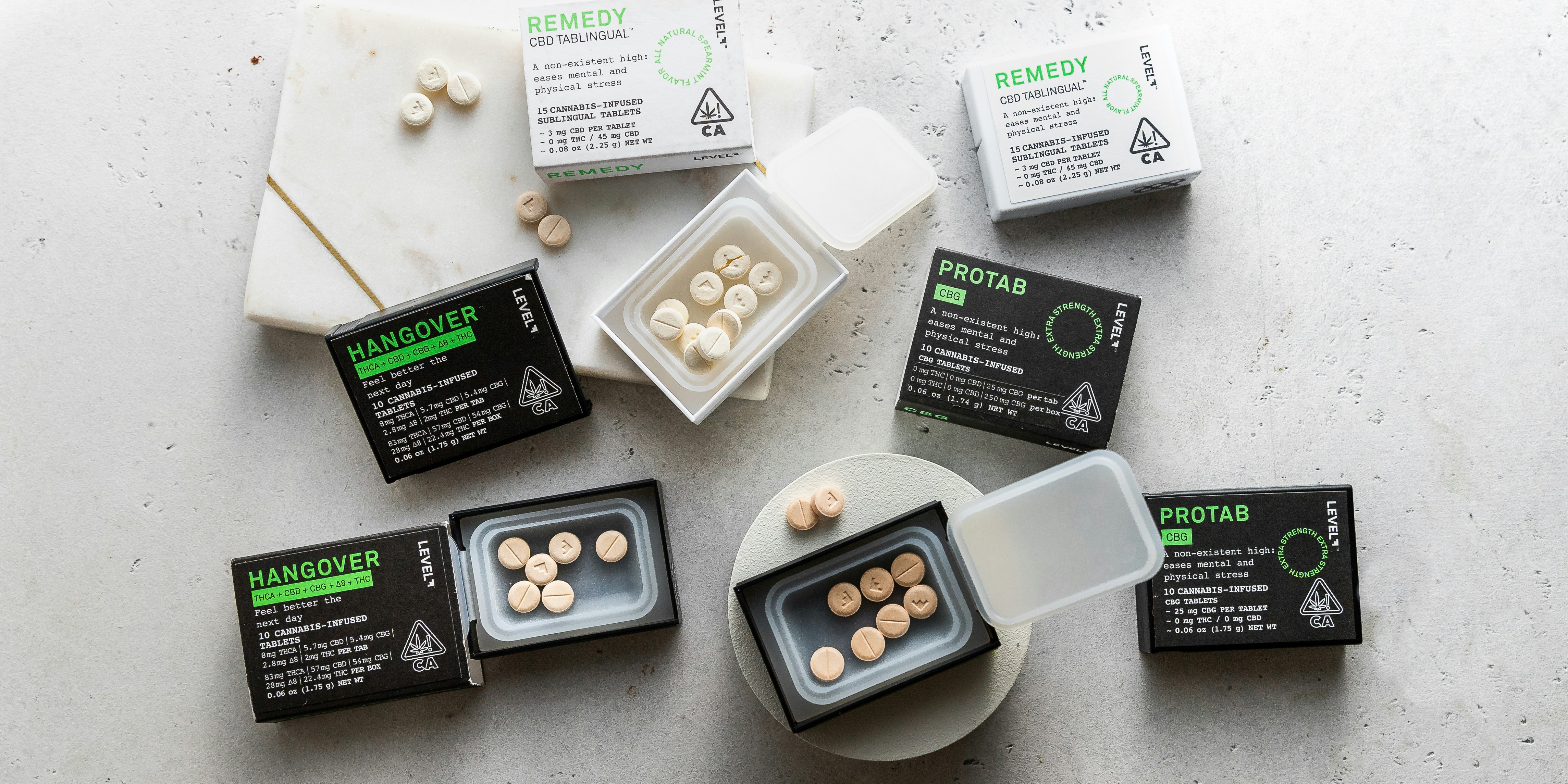
Meet THCA: A Plain-English Guide to the Non-Intoxicating Cannabinoid and How It Forms in the Plant
THCA is the raw, acidic cousin of the compound most people associate with cannabis. In plain terms,it’s a molecule the plant makes and stores while it’s still alive and unheated – and by itself it doesn’t produce the “high” linked to THC.Think of THCA as a sleepy chemical that needs a small change to wake up: it carries an extra carboxyl group (that’s the “-COOH” scientists mention), and as long as that group stays attached, the compound behaves differently in the body and in lab tests.
Inside the plant, THCA is made through a tidy biochemical route. The precursor molecule, CBGA, is shaped by enzymes into different acidic cannabinoids; one of those enzymes – THCA synthase – specifically turns CBGA into THCA. If you like a mini flowchart, it looks like this:
| Plant precursor | Enzyme | Product |
|---|---|---|
| CBGA | THCA synthase | THCA (acid) |
| THCA (heated or aged) | Decarboxylation (heat/light/age) | THC (neutral) |
When THCA loses that carboxyl group – a process called decarboxylation – it becomes THC and acquires intoxicating properties.Decarboxylation happens in everyday ways: smoking, vaping, baking, or even slow oven-drying. For people interested in non-intoxicating uses, the distinction matters. Raw extracts and cold-processed products keep THCA intact, while cooked or combusted forms convert most THCA into THC.
Practical points to keep in mind:
- Raw vs. heated: raw plant material tends to be THCA-rich; heated products tend to be THC-rich.
- Testing: labs differentiate THCA and THC as regulations and effects differ.
- Storage: light and heat slowly convert THCA to THC,so cool,dark storage preserves the acid form.
THCA’s presence explains why a freshly harvested bud behaves chemically different from the same bud after drying and curing – it’s the plant’s natural chemistry shifting form, not a mysterious outside influence.

Choosing and Reading Products: Lab Reports, Potency Labels, and a Practical Checklist for Beginners
Start by demanding a current Certificate of Analysis (COA) for any product. A trustworthy COA will show the testing lab’s name, a clear batch number, and the date tested. Look for the cannabinoid panel that lists both THCA and Δ9‑THC separately – many labels combine them, but the COA should show raw values so you can tell how much THCA is present before any heat converts it to THC. If the lab reports a “total potential THC” figure,that’s helpful; if not,you can estimate it using the conversion explained below.
Understanding potency labels is mostly about units and conversion. Percentages (e.g., 15% THCA) tell you the concentration by weight; milligrams per serving tell you the dose. remember that THCA converts to THC when heated – the chemical conversion factor is roughly 0.877, so multiply THCA mg by 0.877 to estimate potential THC after decarboxylation. also check the serving size
Contaminant screens are as important as potency. The COA should include tests for pesticides,heavy metals,microbials,and residual solvents where applicable. Terpene profiles are optional but useful if you care about flavor or entourage effects; they can also confirm authenticity. If anything is missing, dated, or from a lab you can’t verify, treat the product with caution. Rapid practical checklist: You’ve now met THCA: the raw, non-intoxicating cousin of THC with a chemistry-frist story and a research trail that’s still unfolding. For a newcomer, the key takeaways are simple – what THCA is, how it differs from THC, why people are curious about it, and why the legal and scientific picture remains mixed and evolving. If anything, THCA is a reminder that plant compounds rarely fit neat boxes. Thier effects, uses, and legal status change as chemistry, culture, and policy shift. Stay curious, read reputable sources, and treat headlines with healthy skepticism. If your exploring products or questions about health, check local laws, inspect lab testing and labels, and consult a qualified healthcare professional. Whether THCA becomes a footnote, a talking point, or a topic of deeper interest in your own journey, approaching it with clear eyes and a critical mind will serve you best.
Label field
Meaning
Tip
THCA (%)
Raw, non‑psychoactive cannabinoid
Multiply by 0.877 for potential THC
Δ9‑THC (mg)
Active, psychoactive THC present now
Check per serving, not just per package
Batch/COA
Traceable test record
Must match product lot
to sum up


