



In the search for safer, more targeted ways to ease chronic pain, attention is drifting from well-known cannabinoids to a subtler compound tucked inside the living plant: THCA, or tetrahydrocannabinolic acid. Found abundantly in raw medicinal hemp, THCA is the acidic precursor to THC that does not produce the familiar “high” when encountered in its natural form. Its growing presence in lab benches, clinical conversations, and patient stories suggests a new path worth mapping-one that promises therapeutic potential while sidestepping some of the psychoactive concerns that complicate cannabis-derived treatments.
This article traces that emerging path. We’ll look at what THCA is and how it differs from THC, summarize what preliminary laboratory and observational studies are revealing about its anti-inflammatory and pain-modulating possibilities, and outline the legal and safety questions that still shape its real-world use. Neutral in tone and grounded in current evidence, this introduction sets the stage for a careful exploration of whether THCA from medicinal hemp can offer meaningful relief, and what steps remain before it can be embraced as a mainstream pain-management option.
THCA Unveiled The Non Psychoactive cannabinoid Emerging from Medicinal Hemp
Harvested from specially cultivated medicinal hemp,THCA arrives as a quiet,unassuming molecule – the raw ancestor of THC that does not produce a high unless transformed by heat. In its natural state it clings to plant trichomes and offers a chemical profile rich in potential. Researchers and clinicians are increasingly intrigued by its capacity to target pain pathways without the intoxicating effects commonly associated with cannabis-derived therapies.
Laboratory and early clinical observations point to a spectrum of actions that make THCA attractive for symptom management. It appears to modulate inflammation, temper neuropathic signals, and influence cellular mechanisms tied to pain perception. For patients seeking alternatives to opioids and systemic anti-inflammatories, THCA presents a promising adjunct rather than a dramatic replacement.
- Anti‑inflammatory – may reduce cytokine activity linked to chronic pain
- Neuroprotective – potential to shield nerve cells from degenerative stress
- Non‑intoxicating – suitable for users who must avoid psychoactive effects
- Versatile delivery – usable in tinctures, raw extracts, or topical formats
| Characteristic | THCA | THC |
|---|---|---|
| Psychoactivity | Non‑psychoactive | Psychoactive |
| Source | Raw/uncarboxylated hemp | Decarboxylated/aged plant material |
| Activation | Converted by heat (decarboxylation) | Active without conversion |
As interest grows, so does the need for rigorous dosing studies and standardized products. Patients and practitioners are advised to favor lab‑tested formulations and to view THCA as part of a broader pain-management plan. When applied thoughtfully, this cannabinoid coudl open new routes to relief while keeping cognition clear and daily function intact.

Choosing the Right THCA Products Dosage Forms Sourcing and Quality Checks
Different delivery methods shape the experience of THCA more than most people expect. Consider tinctures for controlled microdosing, raw flower for minimal processing and entourage effects, capsules for consistent daily regimens, and topicals when targeting localized discomfort. Each format offers trade-offs in onset, duration, and bioavailability, so match the form to your lifestyle and symptom pattern rather than impulse. Below is a swift reference to help visualize those differences:
| Form | Onset | Best for |
|---|---|---|
| Tincture | 15-45 min | Flexible dosing, daytime control |
| Flower (raw) | Immediate-30 min | Full-spectrum use, ritualized dosing |
| Capsule | 45-90 min | Predictable, discreet |
| Topical | 10-30 min | Targeted relief, no systemic effects |
Quality begins at the seed and ends with an autonomous lab report. Seek suppliers that disclose hemp genetics, farming practices (preferably organic or regenerative), and extraction techniques-supercritical CO2 extraction is widely respected for purity. Always verify a current Certificate of Analysis (COA) showing cannabinoid potency, absence of heavy metals, pesticides, residual solvents and microbial contaminants. A trustworthy COA will list testing labs by name and include batch identifiers that match the product packaging.
When experimenting, use the mantra “start low, go slow, keep notes.” Practical tips:
- Begin with a fraction of a recommended dose and wait the full expected onset time before increasing.
- Track time of day, dose, delivery method and effects in a simple journal.
- Prefer products with clear sourcing and batch-specific COAs.
- If you have health conditions or take medications, consult a clinician familiar with cannabinoids.
Thoughtful selection and methodical self-monitoring turn promising THCA options from a menu of possibilities into a tailored tool for managing pain and well-being.
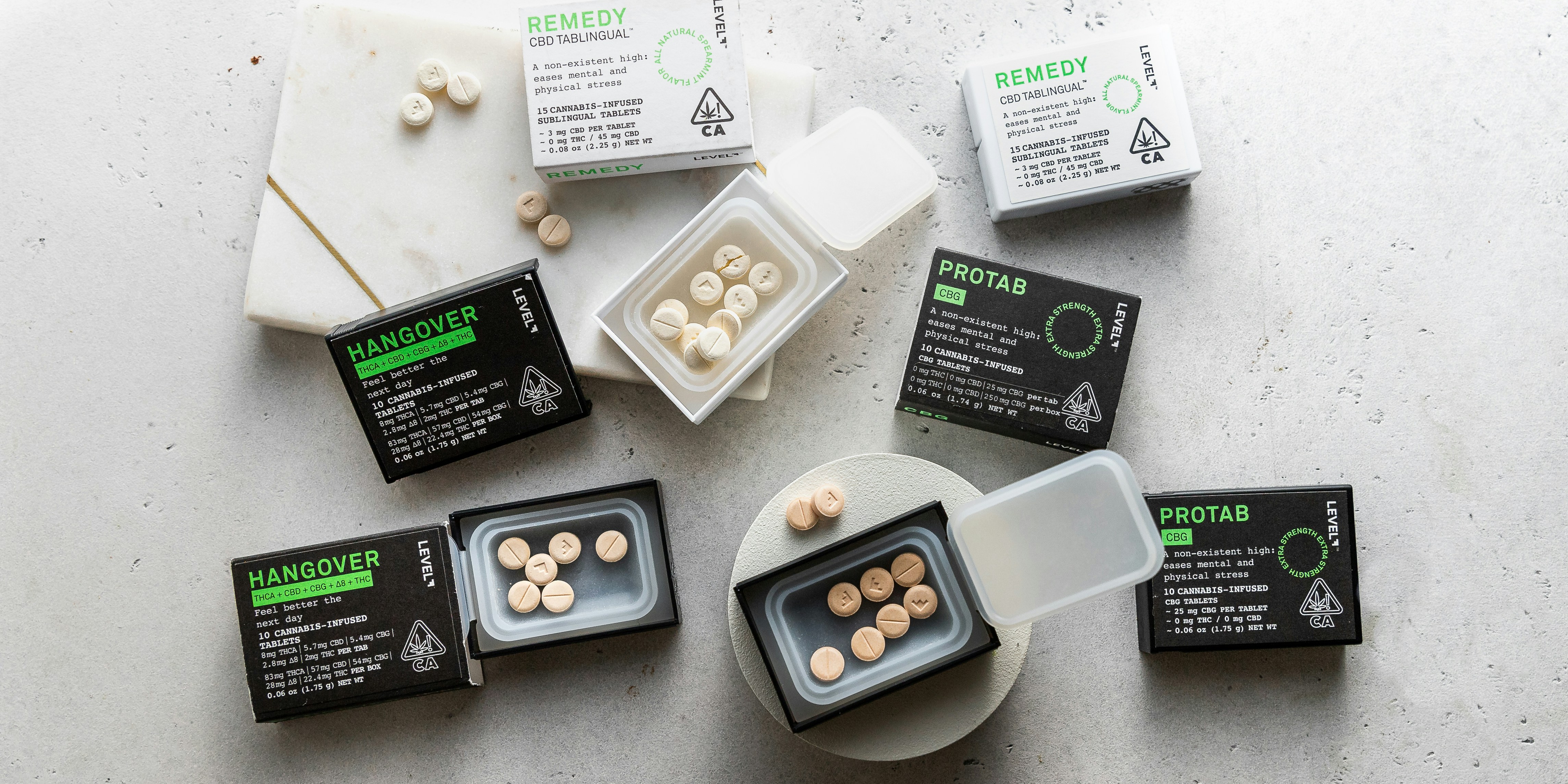
Integrating THCA into Care Plans Legal Considerations Drug Interactions and Patient Monitoring
Regulatory landscape for THCA is a patchwork: state rules, prescribing authority, and clinic policies all matter. Clinicians should ensure products come from licensed suppliers, retain chain-of-custody documentation, and obtain clear informed consent that outlines legal status and therapeutic intent. Keep copies of product certificates of analysis (COAs) in the medical record and confirm that the formulation matches what was discussed with the patient-this recordkeeping helps protect both patient safety and institutional compliance.
Potential drug interactions are an essential consideration. THCA and other cannabinoids may affect cytochrome P450 enzymes and alter levels of concurrently used medications. Watch especially for interactions that could increase bleeding risk or sedation. Common classes to monitor include:
- Anticoagulants and antiplatelets (e.g., warfarin)
- CNS depressants (benzodiazepines, opioids)
- Antiepileptics and certain antidepressants
When in doubt, consult a pharmacist or use interaction-checking software before initiating therapy.
Practical patient monitoring should be structured yet adaptable. Start with a baseline assessment of pain, function, mental health, and relevant labs, then schedule early follow-up to assess efficacy and adverse effects. Use validated scales (e.g., pain numeric rating, sleep, and mood screens) and document titration steps, side effects, and any dose modifications. The table below offers a simple monitoring cadence clinics can adapt:
| When | What to check | Purpose |
|---|---|---|
| Baseline | Pain scale, med list, COA, consent | Safety and suitability |
| 2 weeks | Adverse effects, sleep, sedation | early tolerability |
| 1 month | pain/function, med interactions | Effectiveness and safety |
| quarterly | Extensive review, labs if indicated | Long-term management |
Workflow and communication make integration feasible: incorporate THCA into care plans via interdisciplinary meetings, flag potential interactions in the EHR, and educate patients on signs that warrant immediate contact (excessive drowsiness, bleeding, sudden mood change). keep a simple checklist for staff-product COA,informed consent,interaction review,and scheduled follow-ups-to standardize care while preserving flexibility for individual patient needs.
In Retrospect
As research peels back the layers of the hemp plant,THCA is emerging less as a novelty and more as a cautious invitation – a compound with intriguing biology,a largely non‑intoxicating profile,and early signals that it might ease certain kinds of pain for some people. The early studies and patient reports sketch a picture of potential, but they are broad strokes rather than a finished portrait.
That promise comes wrapped in caveats: rigorous, large‑scale clinical trials are still needed; dosing, delivery methods, long‑term safety and interactions must be mapped; and clear regulatory and quality‑control standards are essential before THCA can move from experimental option to mainstream tool. Clinicians, patients and regulators will need to work together to translate preliminary findings into reliable, evidence‑based care.If THCA does find its place in pain management, it will likely do so quietly – not as a silver bullet but as one more option in a growing toolkit for personalized relief. For now, the path forward is intentional and data‑driven: curiosity tempered by caution, and optimism guided by science.

