



California’s cannabis market has always been a place where science, regulation and culture meet – and in 2025 one of the newest flashpoints is a molecule with an old story: THCA. Tetrahydrocannabinolic acid itself isn’t psychoactive until it transforms into THC, but that chemical flip, plus overlapping hemp and marijuana rules, evolving testing standards and shifting enforcement priorities, have made THCA a legal gray area for consumers, producers and regulators alike.
This guide decodes that complexity: it explains what THCA is, why regulators care about it, how California’s 2025 rules treat THCA compared with delta‑9 THC and hemp-derived cannabinoids, and what practical steps businesses and individuals should consider when buying, selling or transporting THCA-containing products. Rather than advocacy or legal advice, you’ll find clear, up-to-date explanations of the statutory landscape, common compliance pitfalls, and the scientific concepts that matter when law and chemistry collide.
Read on to get a concise, reliable map of THCA in california today - the terminology, the tests, the licensing and the limits – so you can move through this evolving terrain with confidence.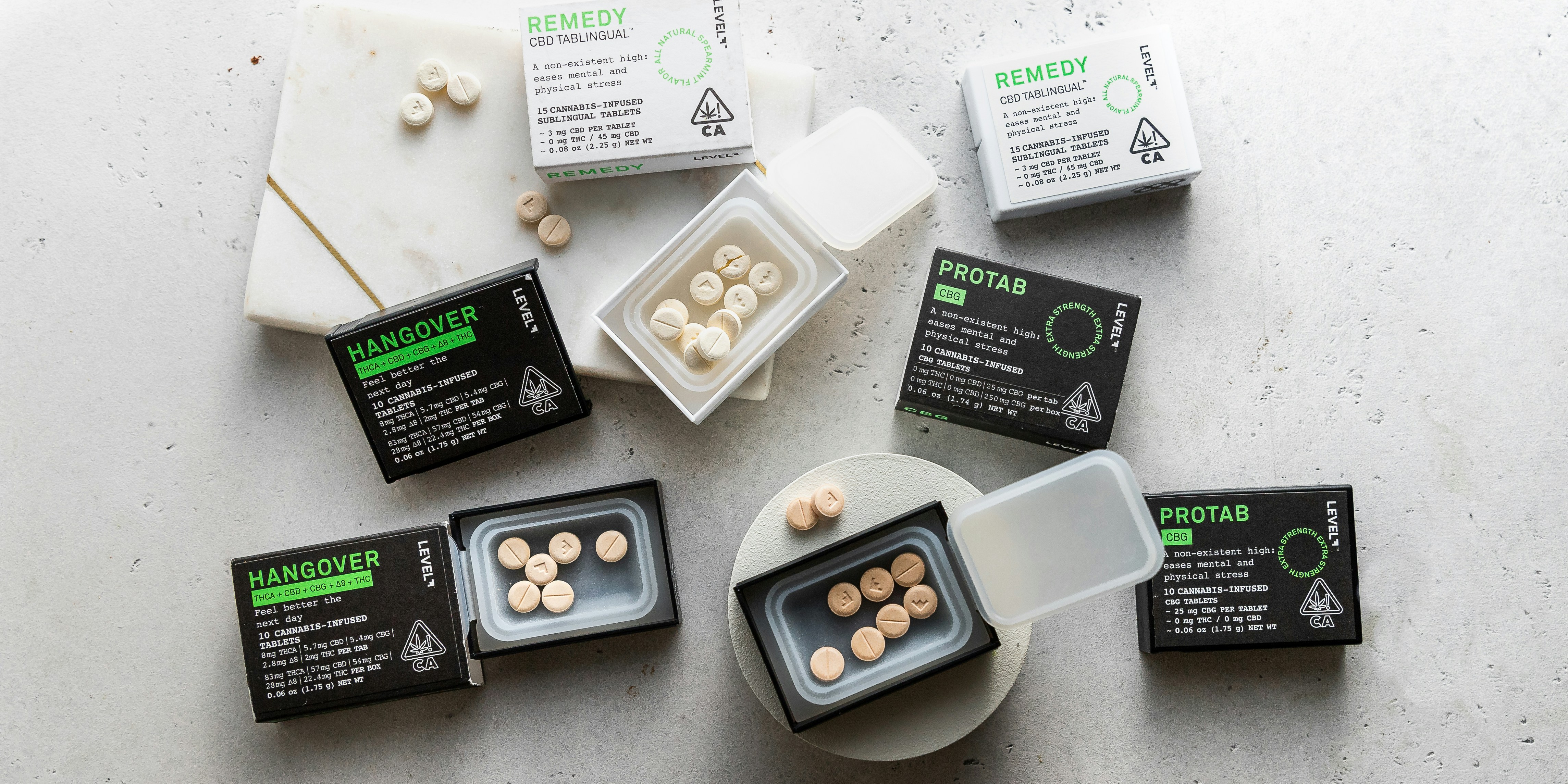
Navigating THCA under California law today
THCA is the raw, non‑intoxicating precursor to delta‑9 THC found in plant material and many extracts. In California’s cannabis framework in 2025 it is not treated as an island – regulators and labs typically evaluate products based on their potential to form delta‑9 THC after decarboxylation. For producers and retailers that usually means reporting a total THC value (commonly calculated as THC + THCA × 0.877) and ensuring that packaging, testing and sales align with adult‑use and medical cannabis rules rather than hemp exceptions.
Practical compliance focuses on documentation, testing and clear labeling. Key actions include:
- Work only with state‑licensed labs that report total THC and provide full certificates of analysis (COAs).
- Label accurately – list THCA and delta‑9 THC separately and show total potential THC so customers and enforcement can see the conversion.
- Follow packaging rules (child‑resistant, tamper‑evident, required warnings) and local retail licensing limits.
- Track seed‑to‑sale inventory and retain COAs to respond quickly in audits or inspections.
Enforcement and consumer safety remain priority areas: cities and counties may add restrictions beyond state law, and untested or mislabeled THCA products can trigger recalls or criminal exposure. The table below provides a quick checklist to verify before bringing a THCA product to market or to purchase as a consumer.
| What to check | why it matters |
|---|---|
| COA from licensed lab | Confirms potency and contaminant testing |
| Reported total THC | Shows potential psychoactive content after heating |
| Local retail license | Required for legal sale in most jurisdictions |
| Proper packaging & labeling | meets consumer safety and disclosure rules |

Legal definitions and enforcement focus points for THCA in California
THCA is treated in California law as the acidic, non-intoxicating precursor to delta‑9 THC - but regulators rarely view it in isolation. Enforcement and licensing frameworks routinely use a “total THC” concept that converts THCA into its potential delta‑9 equivalent (commonly calculated using a 0.877 factor) to judge whether a product crosses legal potency lines. That means a high-THCA raw material can make a finished product illegal once activated,so the legal definition that matters for most regulators is less about the molecule’s name and more about its converted intoxicant potential.
Inspectors and compliance officers are focused on a few consistent risk areas. Lab accuracy and consistent Certificates of Analysis (COAs) top the list – mismatches between label claims and tested results trigger recalls and sanctions. Labeling and marketing are scrutinized for implied effects (e.g., claiming non-psychoactive when activation is absolutely possible). Supply chain traceability and licensing status are also enforced: unlicensed distribution or blending of high‑THCA material into retail products draws immediate attention.
- Testing rigor: validated methods, chain-of-custody, and retention samples
- Potency math: total THC calculations and clear COAs
- Product labeling: activation warnings, net potency, and ingredient disclosure
- Contaminant controls: pesticides, solvents, heavy metals
Regulatory action comes from several directions – the California Department of Cannabis Control (DCC), the California Department of Public Health’s Manufactured Cannabis Safety branch, and local jurisdictions – and ranges from administrative fines to license suspension and product seizures. To stay on the right side of enforcement, prioritize documented testing, conservative labeling that warns about decarboxylation, and strict inventory controls so THCA-rich materials are only used where permitted.
| Compliance Check | Why It Matters | Quick Action |
|---|---|---|
| COA vs Label | prevents misbranding | Pull batch, update label |
| Total THC Calculation | Determines legality | Re-test with accredited lab |
| Activation Warning | Consumer safety & enforcement | Add clear instructions |

Practical compliance steps to prepare for upcoming regulatory shifts
Start with a compliance audit – map every SKU, supplier, and lab result to a single source of truth. Reconcile inventory records against sales and recalls, and flag any THCA products that might fall into newly regulated categories. Build a simple risk register that assigns owners for testing,labeling,and licensing tasks so you can act quickly when regulators publish updates.
Implement immediate operational controls:
- Testing: Lock in certified third‑party labs and establish retest triggers for potency and residual solvents.
- Labeling & Packaging: Standardize label templates that include batch IDs, THCA concentrations, and required warnings.
- Traceability: Integrate or upgrade a track‑and‑trace system that follows products from seed to sale.
- Training & SOPs: Create role-based SOPs and short training modules so staff know how to document compliance steps.
Plan for continuous adaptation by scheduling quarterly regulatory reviews and legal checkups. Invest in compliance software and retain counsel familiar with California cannabis law to interpret shifts quickly. The short table below gives a practical,bite‑sized timeline to operationalize these steps at scale.
| Action | Target |
|---|---|
| Compliance audit & risk register | 2-4 weeks |
| Lab contracts & testing protocols | 4-8 weeks |
| Labeling updates & staff training | 6-10 weeks |
| Track‑and‑trace implementation | 8-12 weeks |
In Retrospect
As California’s regulatory landscape continues to shift, consider this guide a compass rather than a final map. THCA’s place in 2025 law touches classification, testing and labeling rules, local licensing and zoning, possession and sale limits, and the ever-present tension between state and federal law – all areas to watch closely as rules evolve.
If you’re a consumer, cultivator, retailer, or regulator, staying current matters: monitor updates from the california Department of Cannabis Control and local ordinances, document compliance practices, and seek professional counsel for transactions or disputes. This article aimed to clarify the major threads so you can act with confidence, but it’s not a substitute for legal advice tailored to your situation.
Laws may change,but good facts and careful compliance are steady assets. Keep this guide handy, check back for updates, and let clear, cautious steps guide you through California’s THCA landscape in 2025.

