


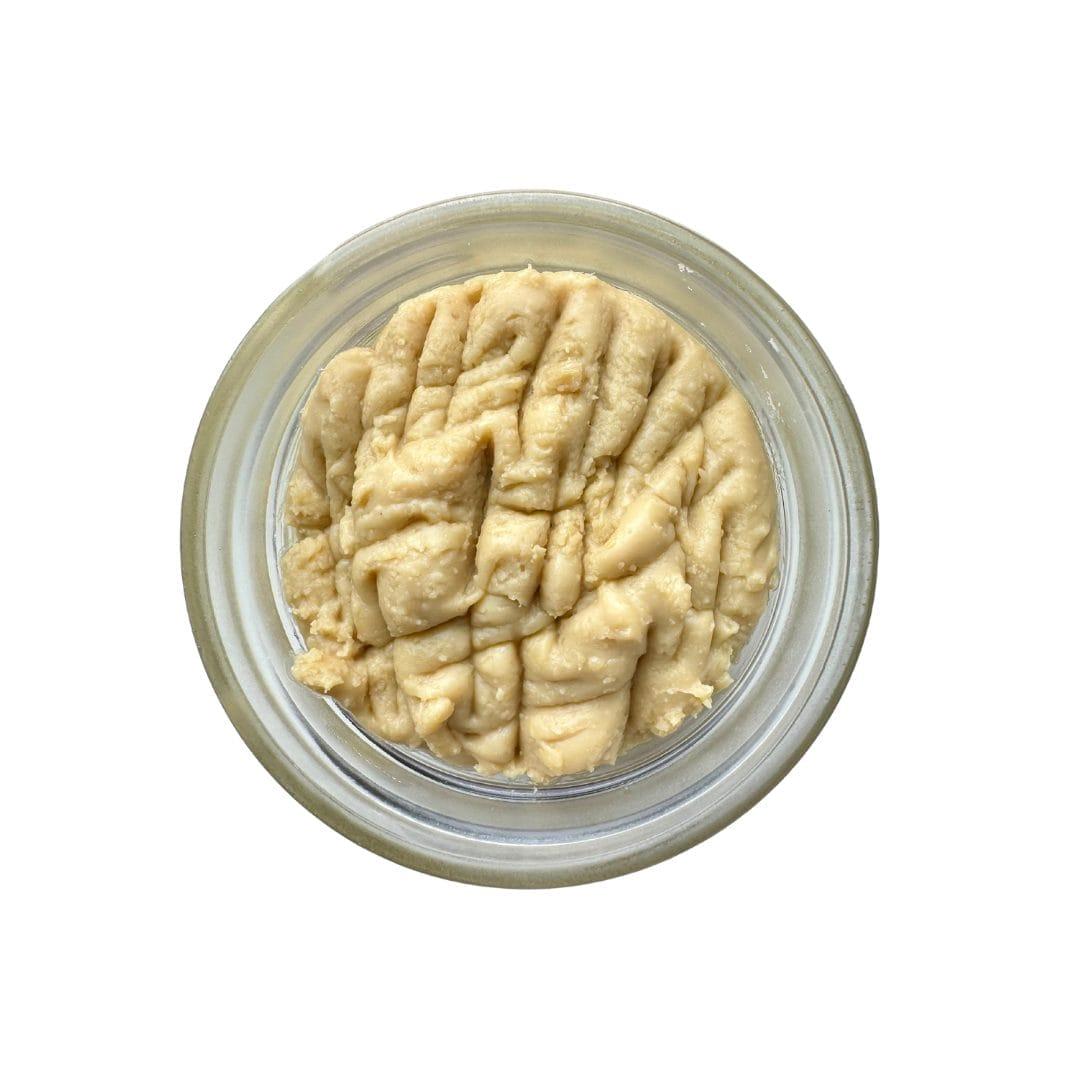
A molecule that started its life as a footnote in cannabinoid chemistry has moved steadily into the spotlight. THCA-tetrahydrocannabinolic acid-is at the intersection of evolving regulation,new product formats and shifting consumer curiosity,and 2024 may be the year it steps into clearer market view. This article gives a compact, data-driven snapshot of where the THCA market stands: size, sales performance and the headlines shaping its near-term path.
You’ll find concise sales figures and market-size estimates that put growth into context, alongside the regulatory and retail developments that are actually moving the needle. We’ll also flag the most consequential news items of the moment-policy shifts, company moves and technological advances in cultivation and extraction-so you can see not just how big the market is, but why it’s changing.
Neutral in tone and rigorous with numbers, this piece is designed for readers who want a rapid but substantive orientation to THCA in 2024-whether you’re tracking investments, following policy, or mapping product innovation. Read on for the data points and headlines that will define the next chapter of the THCA story.
Market Overview and Size Projections for the Coming Year
Market activity around THCA has shifted from experimental niche to measurable retail presence. Analysts estimate the market opened 2024 at roughly $380-$420 million in annualized sales, with a brisk expansion driven by consumer curiosity and new product formats.Retail penetration is uneven – pockets of high demand coexist with supply gaps – but the overall trajectory points to solid growth as brands and distributors refine formulations and compliance strategies.
Current forecasts put year‑end 2024 market value near $520 million,implying a strong single‑year rise. Quarterly pacing reflects seasonality and product launches, with a front‑loaded Q2 and a promotional Q4:
| Quarter | Projected revenue (USD) | Notes |
|---|---|---|
| Q1 | $95M | Baseline retail rollouts |
| Q2 | $120M | New product launches & distribution deals |
| Q3 | $150M | Summer demand spike |
| Q4 | $155M | Holiday promotions & regulatory clarity |
Key forces shaping the outlook include:
- Regulatory moves - incremental legal clarity in several states will unlock shelf space.
- Product innovation – concentrates, tinctures, and microdosing formats attract mainstream consumers.
- Distribution scale – larger CPG partners will accelerate national reach but may compress margins.
- Supply volatility - cultivation and extraction bottlenecks could create short-term pricing swings.
Taken together, these elements suggest a market that is expanding in both value and sophistication; stakeholders that monitor compliance trends and invest in consistent supply chains are positioned to capture the lion’s share of 2024 growth.
Actionable Recommendations for Investors Retailers and Manufacturers
Investors should treat the current THCA landscape like an early-stage tech market: fast-moving, regulation-sensitive, and ripe for niche winners. Prioritize companies with transparent supply chains, diversified revenue streams (retail + wholesale + white label), and demonstrable compliance frameworks. Maintain a tactical allocation-small core positions with dry powder for follow-on rounds when licensing approvals, favorable state guidance, or breakthrough distribution deals appear.
specific moves to consider include:
- Perform regulatory due diligence: map product approvals and pending bills across key states.
- Value drivers over hype: focus on margin-per-SKU, repeat-purchase rates, and GMP certifications.
- Partner-frist approach: prefer assets with existing retail partnerships or proprietary IP for extraction and formulation.
Retailers can convert curiosity into repeat business by standardizing education and simplifying choice architecture. Train staff to explain distinctions between THCA, THC, and CBD in plain language, and build merchandising that highlights consumption method, onset time, and potency. Invest in digital point-of-sale content and loyalty incentives for trial-to-repeat conversion; small experiential investments (sampler nights, QR-guided education) often outperform pure price promotions.
manufacturers must lock in quality and agility: optimize extraction to reduce residual solvents, secure scalable packaging that communicates lab results clearly, and design SKUs that fit both boutique dispensaries and mainstream wellness shelves. Short playbook:
- Quality-first: third-party testing,batch traceability,and shelf-life validation.
- SKU rationalization: fewer,high-margin SKUs with clear consumer benefits.
- co-marketing: align with retailers for shared promotional calendars and educational funding.
| Stakeholder | Immediate Priority | 90-Day Action |
|---|---|---|
| Investors | Regulatory mapping | Build watchlist + commit reserve capital |
| Retailers | Staff education | Launch in-store sampling & loyalty push |
| Manufacturers | Batch traceability | Reduce SKUs; secure co-markets |
To Conclude
as 2024 unfolds, the THCA market sits at a crossroads – shaped by shifting regulations, evolving consumer tastes, and rapid product innovation. Sales data and market-size estimates paint a picture of growing commercial interest, but the pace and direction of that growth will depend on policy decisions, testing standards, and how the industry balances novelty with safety and transparency.
For investors, producers, and curious consumers alike, the sensible stance is watchful optimism: capitalize on demonstrable trends, verify claims, and expect volatility as the market matures. Keep tracking quarterly sales, regulatory updates, and independent lab results to separate lasting developments from short-lived hype.
In short, THCA’s 2024 snapshot shows promise and complexity in equal measure. Stay informed, stay cautious, and let the data – not the headlines – guide your next move.
