


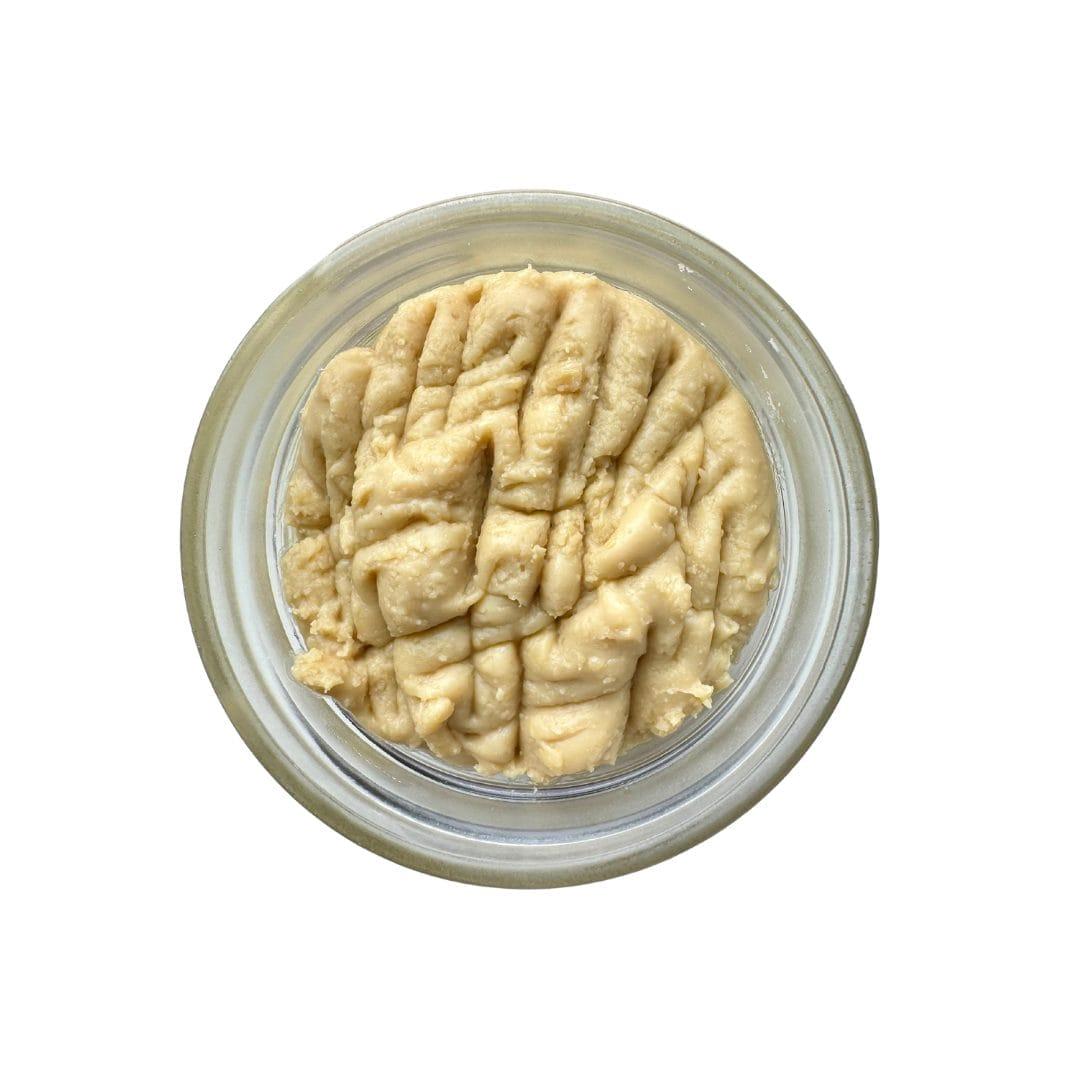
By 2024, THCa has shifted from a niche laboratory curiosity to a defining ingredient in teh evolving cannabinoid marketplace – but its presence looks very different depending on where you are. This article, “THCa Market 2024: State-by-State Brand breakdown,” maps that patchwork: the brands that have gained traction, the regulatory contours that shape availability, and the consumer and retail dynamics that push some products into the mainstream while others remain regional or experimental.
Expect a clear, side-by-side look at how state laws, manufacturing standards, and retail ecosystems influence brand strategies and product portfolios. We’ll identify patterns-where high compliance standards are driving consolidation, where looser regulations foster rapid innovation, and how consumer preferences for potency, format, and transparency are reshaping offerings. Rather than a single national story, the 2024 thca market reads as dozens of local stories, each with its own winners, pitfalls, and surprises.
Throughout this breakdown, the goal is practical clarity: to help readers understand not just which brands are visible in each state, but why they are succeeding or struggling there. Whether you’re a curious consumer, a retailer, or an industry observer, this state-by-state tour will illuminate the regulatory checkpoints, competitive moves, and market signals defining thca’s current landscape.
Pricing, Packaging and Marketing Compliance Recommendations to Minimize legal Exposure
Treat pricing as a compliance tool, not just a revenue lever. Design tiered SKUs that map to clear potency bands, and display THC/THCa values exactly as tested – misstatements invite enforcement. Consider a conservative MSRP, avoid “medical” price messaging, and build promotions around non-therapeutic lifestyle cues. For online listings, lock visible price and potency fields behind age verification and a verified COA link to reduce exposure to false advertising claims.
Packaging should prioritize legal defensibility: use opaque, child-resistant containers, concise mandated warnings, and batch-specific QR codes that resolve to third-party lab reports. Keep artwork minimal and avoid imagery or language that could be construed as targeting minors (no cartoons, no fictional characters). Ensure the ingredient and cannabinoid panels are legible at common retail distances and include a clear statement about leftover psychoactive potential when applicable.
- Label accuracy: batch number, COA link, net weight, tested potency
- Safety features: child-resistant cap, tamper-evident seal
- Design limits: no minors appeals, no health claims, neutral color palettes
- Retail handling: staff ID checks, discreet shelf placement
Marketing must be risk-aware: age-gate every digital channel, restrict geotargeting to compliant jurisdictions, and require written scripts or ad briefs that legal reviews before publishing. Maintain influencer and affiliate agreements that explicitly prohibit health or therapeutic claims and require proof of audience age gating. keep a simple compliance log - ad creative, approval timestamp, and COA links -to demonstrate good-faith controls during audits.
| Risk Area | Rapid Fix |
|---|---|
| Potency Overclaim | Only publish lab-verified values |
| Appeal to Minors | Remove playful art; require age gate |
| Unvetted influencers | Template contracts + pre-approved scripts |
Emerging State Markets and Forecasts with Actionable Entry and Growth Recommendations
Regional shifts in demand are creating pockets of accelerated adoption that will define winners in the next 18-24 months. States with recent regulatory clarity and expanding retail footprints are posting the strongest near-term growth: conservative projections place select markets at a 10-18% CAGR through 2026, while slower, regulatory-constrained states drift nearer to 3-6%. These differences are driven less by consumer taste and more by distribution access, labeling harmonization, and retailer education-areas where brands can influence market share quickly.
Below is a snapshot of three illustrative markets to watch, combining current market scale with practical runway for new entrants.
| State | 2024 Est. Market ($M) | 2024-26 projected CAGR | Why it matters |
|---|---|---|---|
| Oregon | $140 | 12% | Retail density + product diversity |
| Florida | $95 | 15% | Large population + regulatory momentum |
| Ohio | $60 | 9% | Fast-growing medical-to-adult transitions |
for immediate market entry, prioritize three tactical moves: partner with established distributors to accelerate shelf presence, invest in retailer-facing education to reduce friction, and optimize SKUs for regulatory simplicity (single-ingredient, clear labeling). Practical first steps include:
- Target a limited SKU set that aligns with dominant retail formats in-state.
- Secure co-op marketing or sampling programs with top regional chains.
- Build a compliance checklist and update labels prior to launch windows.
Longer-term growth depends on brand credibility and channel diversification. Lean into data-driven pricing in competitive metros, experiment with direct-to-consumer education platforms where allowed, and pursue local sourcing claims to build trust. Above all, maintain flexible playbooks-states will vary on testing, potency limits, and tax impacts, so a modular roll-out plan with contingency for regulatory changes is the most defensible path to scale.
Key Takeaways
As the thca market unfolds across 2024, what emerges is less a single national story than a mosaic of localized strategies, regulatory experiments, and brand personalities.Some states favor established labels leaning on consistency and compliance; others are incubators for niche startups pushing product innovation and marketing. Together they create a patchwork market where geography and law shape not only availability but also what “brand” even means.
For buyers, regulators, and industry watchers alike, the state-by-state breakdown isn’t a verdict so much as a map: useful for navigating differences, spotting trends, and anticipating where new opportunities or challenges may arise.With rules shifting and consumer preferences evolving, the most reliable approach is careful attention to local policy, transparent sourcing, and measured skepticism toward sweeping claims.
Keep this report as a reference point rather than a final word. The THCa landscape will continue to change through 2024-stay curious, verify local legality and product information, and watch how brands adapt to the next wave of market signals.
