


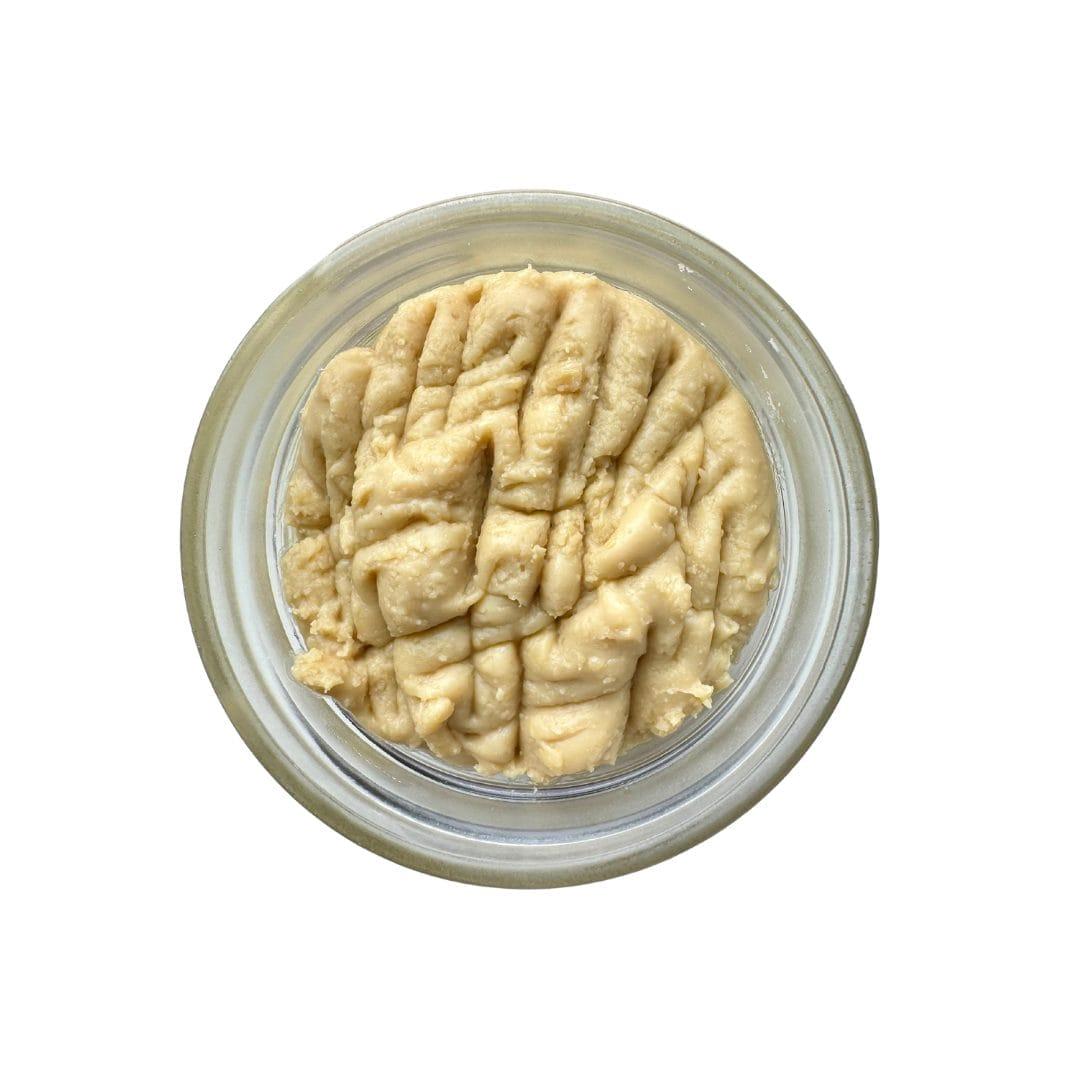
Like a new color emerging on an established spectrum, THCA has moved from niche curiosity to a market force that investors, cultivators and curious consumers can no longer ignore. in 2024 the THCA market is unfolding at the intersection of shifting regulations, advancing lab science and evolving consumer tastes-producing rapid changes in value, supply dynamics and product innovation. This introduction surveys that terrain without fanfare: identifying the currents that are driving price movements, the headlines reshaping market confidence, and the structural shifts behind the numbers.
Over the past year, headline-grabbing licensing decisions, cross-border trade developments and a steady stream of corporate activity have altered how THCA is produced, tested and sold. Meanwhile, improvements in extraction and testing technologies are tightening quality control and expanding product formats, which in turn affect wholesale and retail pricing. Investors and operators face a marketplace where short-term volatility coexists wiht longer-term repositioning as players adapt to regulatory clarity-or the lack of it-in different jurisdictions.
What follows is a neutral, data-informed look at THCA market value trends in 2024 and a roundup of the latest news shaping the sector. Expect analysis of pricing patterns, supply-chain influences, regulatory updates and the commercial moves that matter most to stakeholders navigating this fast-evolving space.
Regulatory and Legal Landscape Impacting THCA Prices with Practical Compliance Recommendations for Producers
A patchwork of federal rulings, state statutes and international import rules now underpins the pricing dynamics for THCA products. Enforcement swings and shifting thresholds for total THC create short-term supply shocks that ripple into spot and contract prices: when a jurisdiction tightens testing criteria or lowers permissible THC limits, producers face immediate downgrades or costly remediation, which tightens supply and lifts prices. Conversely, clarity-such as an explicit carve-out for hemp-derived THCA-tends to compress premiums as risk is priced out. Market participants who track rule changes in real time gain a measurable advantage in procurement and pricing strategies.
Practical compliance starts with simple, repeatable steps that anchor your operation against regulatory surprises. Implement a baseline of controls that regulators commonly expect and buyers reward:
- Robust traceability – seed-to-sale logs that are immutable and audit-ready.
- Autonomous lab testing – third-party certificates for every lot,with chain-of-custody records.
- clear labeling & packaging – dose, origin, and legal disclaimers aligned with the strictest market you serve.
- Licensing hygiene – continual monitoring of renewal dates, local ordinances, and zoning rules.
Small process changes can materially reduce price volatility exposure. The table below summarizes a few targeted actions and their typical impact on market risk and buyer confidence:
| Compliance Action | Effect on Price Volatility | Buyer Confidence |
|---|---|---|
| Regular third-party potency testing | Lowers short-term shocks | High |
| Cross-jurisdiction legal review | Reduces regulatory arbitrage risk | Medium |
| Contractual passthrough for compliance costs | Stabilizes margins | Medium-High |
Beyond operations, producers should adopt strategic behaviors: maintain a relationship with a specialized regulatory attorney, secure product recall and business interruption insurance, and negotiate contracts that include compliance-cost clauses and margin protections. Actively participating in industry associations and contributing to standardized testing protocols not only shapes policy but also reduces asymmetric enforcement that inflates risk premia. In short,diligence and clarity don’t just keep you legal-they are price-stabilizing assets in a volatile THCA marketplace.
Regional Performance and Emerging Hotspots Where Value Is Concentrating and Why Investors Should Pay Attention
Across the map, pockets of outsized value are forming where regulatory change, supply dynamics and consumer access intersect. In established coastal markets, margins are compressing but brand equity and licensed retail footprints keep valuations supported. By contrast,inland and Sun Belt corridors are showing early-stage gratitude: faster retail rollouts,lighter tax regimes and under‑penetrated medical markets create room for unit economics to improve quickly. Investors who parse local license economics and distribution choke points are finding opportunities that headline indexes miss.
Look for these repeatable traits in emerging hotspots:
- Regulatory tailwinds – recent or pending policy shifts that expand patient/consumer pools or lower barriers to entry.
- Supply-demand asymmetry - regions where retail demand outpaces licensed production, supporting price uplifts.
- Cost arbitrage – low land and labor costs plus favorable tax treatment that improve cultivation margins.
- Distribution leverage - proximity to large consumption markets or major retail chains that accelerate shelf presence.
| Region | Performance Signal | Why Value Is Concentrating | investor Action |
|---|---|---|---|
| West Coast (mature) | Stabilized sales, premium pricing | Brand strength, dense retail networks | Consolidation & brand acquisitions |
| Mid-South / Oklahoma | High production, lower prices | Low-cost cultivation hubs | Processing and export-oriented plays |
| Sun Belt | Rapid retail expansion | Regulatory easing + population growth | Retail roll-up and distribution |
| Mountain West | High growth, supply-constrained | Tourism-driven demand, limited licenses | Land, cultivation licenses & tourism brands |
For disciplined capital allocation, focus less on headline volume and more on the microeconomics: license scarcity, effective tax rate, logistics costs and local retail density. Partnerships with incumbent operators, targeted M&A in processing capacity and nimble inventory arbitrage can unlock outsized returns as these hotspots mature. Ultimately, the best bets combine local regulatory insight with operational levers that scale quickly as markets shift.
to sum up
As 2024 unfolds, the THCA market remains a landscape of shifting contours – price swings, evolving regulation, and fresh product innovation continue to redraw the map. Consumer interest and investment attention are pushing the market toward greater sophistication, while supply dynamics and scientific developments keep the picture unpredictable. Together these forces are shaping value trends that reward close attention rather than casual assumptions.
Looking ahead, the clearest constants will be change and uncertainty. Regulatory decisions, clinical findings, and supply-chain adjustments are likely to exert the greatest influence on prices and availability. For investors, producers, and consumers alike, the sensible approach is to track reliable data, monitor policy movements, and treat short-term volatility as part of a longer-term maturation process.
In a market that feels part science lab,part open sea,staying informed is the safest compass. Keep an eye on reputable news sources, independent research, and regulatory updates – and remember that insight comes from careful observation as much as from bold predictions.
