


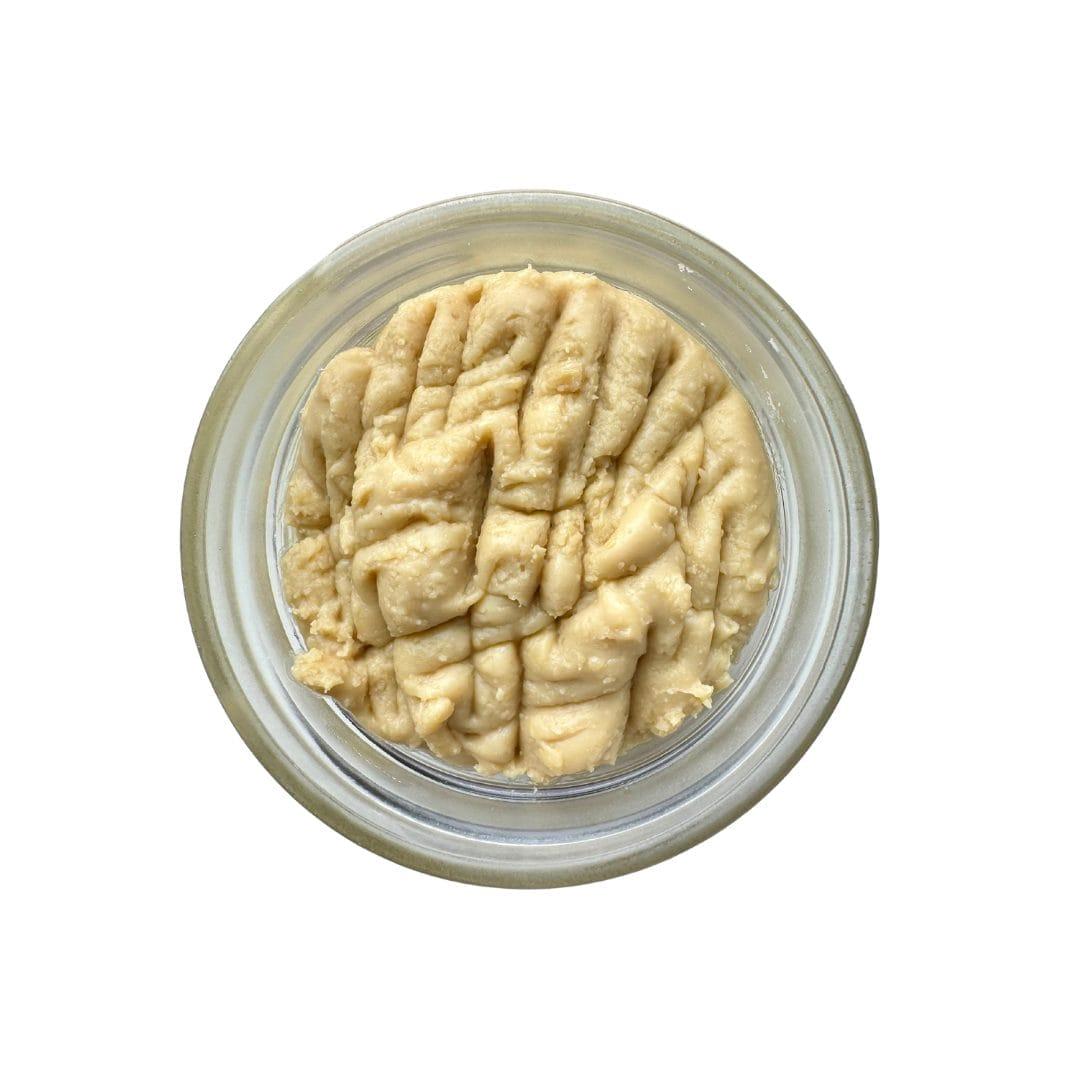
Like a prism splitting sunlight into a spectrum, the THCA market in 2024 refracts into a range of product types – each catching the consumer eye in a different hue. Once a niche curiosity in labs and boutique dispensaries,tetrahydrocannabinolic acid (THCA) has moved toward the mainstream,spawning flower,concentrates,edibles,tinctures,topicals,and vapor products that aim to deliver distinct experiences,use cases,and regulatory challenges.
this article maps that spectrum. Rather than declare winners or losers, it traces how shifting regulations, research interest, manufacturing advances, and evolving consumer preferences are reshaping demand across product categories. we’ll compare adoption curves, distribution channels, price dynamics, and the practical tradeoffs-potency, shelf life, dosing precision, and convenience-that influence which formats gain traction in different markets.
expect a data-informed, product-by-product look at where growth is accelerating, where it’s plateauing, and why. Whether you follow THCA for medical potential,novelty,or commercial prospect,this comparison will provide a clear view of how 2024 is changing the ways the compound reaches users and how producers are responding to a market in motion.
Extraction Technology and Purity Standards That Shape Product Differentiation
The craft behind a final THCA product begins long before packaging. operators choose between methods like supercritical CO2, ethanol, hydrocarbon solvents, or solventless heat-and-press techniques-each leaving a distinct fingerprint on potency, terpene profile, and residual chemistry. Downstream processes such as short-path distillation and flash chromatography further refine concentrates: some remove minor cannabinoids and terpenes to chase ultra-high purity,while others preserve a broader entourage for aroma and mouthfeel.The trade-offs are purposeful design choices that manufacturers use to position cartridges,tinctures,and crystalline products in different market segments.
Beyond extraction, laboratory benchmarks determine whether a product earns consumer trust. Modern compliance relies on quantitative assays like HPLC for THCA potency, GC-MS for solvent residues, and ICP-MS for metal contaminants. Certificates of Analysis (COAs) become marketing artifacts as much as safety records-brands that publish obvious panels stand out. Common test panels include:
- Potency (THCA,THC,total cannabinoids)
- Residual solvents and volatile contaminants
- Heavy metals and elemental impurities
- Pesticides and microbial screening
Those technical choices drive visible product differentiation: a rosin-derived live resin may command a premium for aroma and perceived naturalness,while solvent-based distillates are engineered for consistency and dosing. Below is a simple snapshot of common approaches and their market outcomes.
| Extraction Method | Typical Purity | Flavor/Terpene Retention |
|---|---|---|
| Supercritical CO2 | 75-92% | Moderate |
| Ethanol (winterized) | 85-95% | Good |
| Hydrocarbon + Distillation | 90-99%+ | Variable (can be low after polishing) |
| Solventless Rosin | 60-85% | high |
To Conclude
As the dust settles on a year of shifting shelves and new formulations, the THCA market in 2024 reads like a mosaic – each product type a distinct tile reflecting different consumer priorities, technological advances, and regulatory pressures. Flower, concentrates, edibles and topicals have each carved out niches, and their relative growth tells a story about where demand, innovation and distribution are converging.
Looking ahead, the market’s trajectory will be shaped less by any single product and more by how businesses, regulators and consumers adapt to shifting preferences and rules.For observers and participants alike, the next chapters will reward a steady eye: watch product diversification, supply-chain resilience and policy developments as the best indicators of what comes next.the THCA sector’s 2024 performance is both a snapshot and a signpost – useful for what it reveals today and instructive for the choices it frames tomorrow.
