


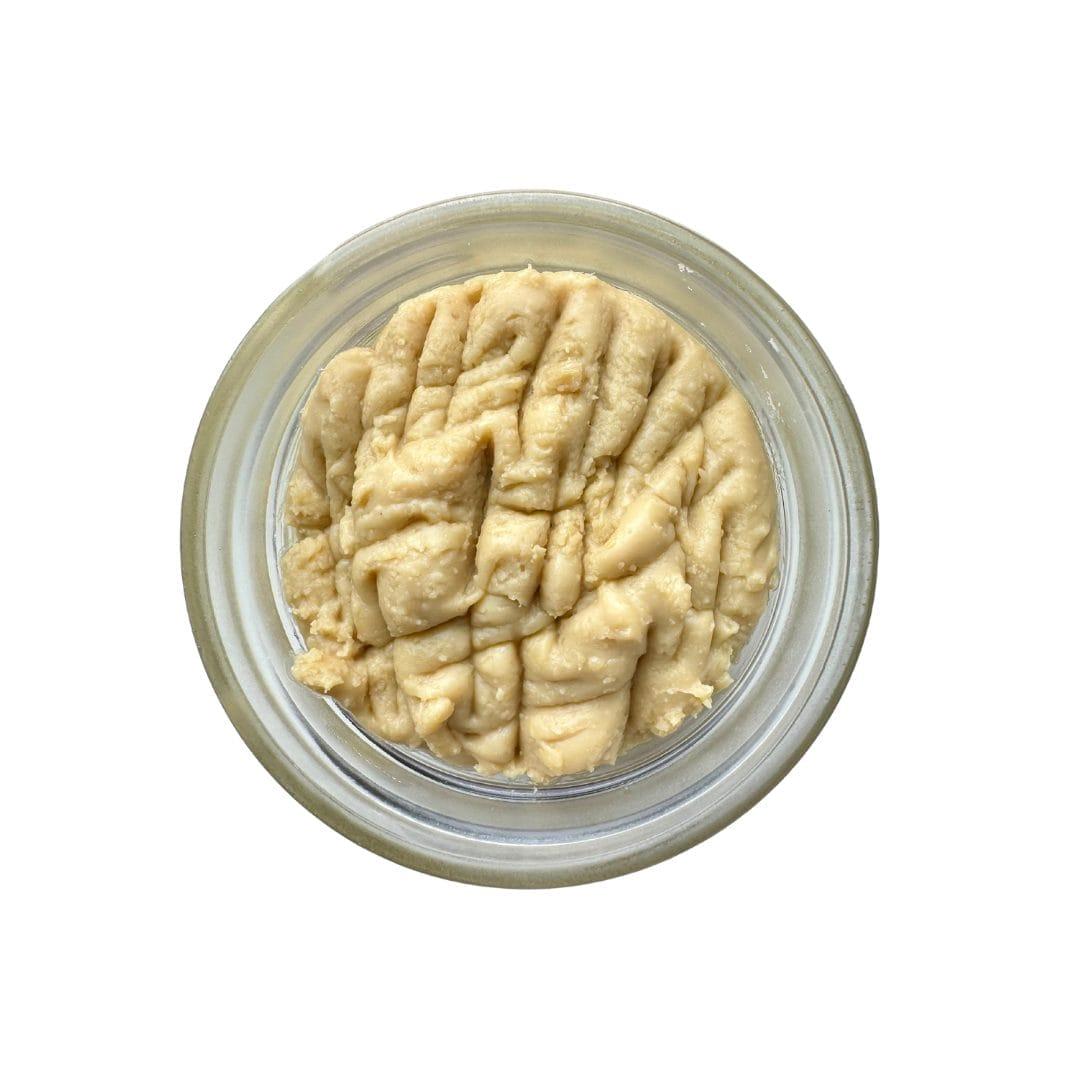
Like a slow tide lifting a shoreline of commodities, THCA has moved from niche curiosity to a visible presence in dispensary cases and wholesale ledgers.Once primarily the subject of lab notebooks and the raw-cannabinoid crowd, THCA now sits at the intersection of changing regulations, evolving consumer tastes, and advances in cultivation and extraction – forces that together are reshaping both product offerings and price dynamics.
this article traces that arc: we’ll sketch THCA’s recent history, map the product trends that have carried it into flower, concentrates, pre-rolls and beyond, and examine why the market’s once-steep prices are easing. Along the way we’ll consider the supply-side innovations,shifting demand profiles,and regulatory currents that explain not only growth,but also commoditization and consolidation. The aim is not to celebrate or condemn, but to provide a clear-eyed view of a market in motion – useful context for policymakers, producers, retailers and curious consumers alike.
Evolving Product Trends in THCA formulations and Delivery Methods with Best Practices for Manufacturers
product innovation in THCA has shifted from hobbyist concentrates to carefully engineered formulations that prioritize dose control, stability and sensory experience. Crystalline THCA, microdosed softgels, bespoke tinctures and full-spectrum blends are emerging in tandem - driven by consumer demand for predictable effects and legal positioning. Manufacturers are increasingly pairing THCA with tailored terpene profiles and botanical excipients to recreate entourage-like experiences while keeping formulations analytically consistent.
Delivery methods are diversifying beyond conventional smoking and basic edibles: precision vaporizers, water-soluble nanoemulsions for beverages, sublingual sprays, transdermal patches and measured oral dissolvables all compete for shelf space. Each format introduces technical trade-offs – for exmaple, nanoemulsions increase bioavailability but require strict particle-size control, while crystalline suspensions offer long shelf stability but need inert packaging to prevent decarboxylation. Accomplished products balance consumer convenience with robust control of temperature, oxygen and light exposure throughout manufacturing and distribution.
Manufacturers should embed quality-first practices into every stage:
- Analytical testing – routine COAs for potency, residual solvents and contaminants.
- Controlled environments – low-oxygen, temperature-stable processing to prevent THCA → THC conversion.
- Formulation validation – stability and bioavailability studies for chosen delivery systems.
- Accurate labeling - clear dosing,batch codes and storage instructions to protect consumers and brands.
- GMP & traceability – batch records, supplier qualification and third-party audits to meet regulatory scrutiny.
| Formulation | Key Benefit | Primary Challenge |
|---|---|---|
| Crystalline THCA | High potency, precise dosing | Requires inert packaging |
| Nanoemulsion | Fast onset, drinkable | Particle stability over time |
| Sublingual tincture | Discrete, controllable dosing | Flavor masking and shelf life |
| Transdermal patch | Long-duration delivery | Formulation penetration mechanics |
As the category matures, the brands that thrive will be those that pair innovation with reproducible manufacturing controls: pilot batches to prove scale-up, thorough shelf-life testing, and consumer-focused packaging that protects chemistry and communicates trust. Striking that balance – creativity with rigorous process control – is the fastest route to stable growth in a rapidly evolving THCA marketplace.
Price Drop Analysis and Timing: Root Causes, Market Signals and Risk Mitigation tactics for Retailers
Shifts in wholesale costs for THCA products rarely come from a single source. frequently enough the root causes are structural: improved extraction efficiencies and larger-scale greenhouse operations drive down unit costs, while regulatory clarifications (testing standards, labeling rules) can suddenly reclassify inventories and force rapid repricing. Seasonal harvest cycles introduce predictable gluts, but sudden overproduction or a surge in low-cost imports can accelerate a drop. Combine that with changing consumer taste-towards dilute,cheaper formats or away from high-potency isolates-and you have a multi-layered pressure on retail prices.Understanding which layer is dominant (supply tech vs.demand shift vs. policy) is essential for timing a strategic response.
Retailers can track a set of clear market signals that precede a price slide. Watch for:
- inventory Inbound Spikes – unusually large or frequent shipments from existing suppliers.
- Promotional Contagion – widespread discounting across competitors, not isolated markdowns.
- Wholesale Spread Compression – narrowing price differences between tiers and private labels.
- COA & QC Delays - faster releases or lower testing failures that indicate cheaper production.
these cues give advance notice – sometimes weeks – to rebalance assortment or adjust margins before a full-blown price decline hits point-of-sale.
| signal | Typical Lead Time | Retail Action |
|---|---|---|
| Inbound shipment surge | 1-4 weeks | Tighten reorders; increase promotions on slow SKUs |
| Competitor-wide discounts | Days-2 weeks | Deploy targeted price-matching or value bundles |
| Lower wholesale spreads | 2-6 weeks | Negotiate supply contracts; rationalize SKUs |
Practical mitigation blends proactive buying with agile retail tactics. Use tiered contracts and short-window hedges to lock favorable costs without overcommitting inventory; introduce temporary bundles to preserve margin while clearing stock; and apply dynamic pricing rules tied to inventory age and supplier lead-time. Equally significant is a set of trigger thresholds – such as, automatic markdowns when margin falls below a set point or when projected sell-through slips under target – coupled with A/B testing to learn which promotions maintain lifetime value. In volatile windows, prioritize cash flow and category profitability over unit-share wins.
Regulatory History and Policy Shifts Shaping THCA Adoption with a Practical Compliance checklist
Markets rarely move in a straight line,and THCA’s path from niche lab curiosity to shelf-ready format is a tapestry of legal gray and sudden clarifications. early regulatory framing treated THCA as a derivative of cannabis that moved awkwardly between hemp and marijuana law, prompting cautious retailers and laboratories to adopt conservative testing and labeling practices. Over time, state-level clarifications and selective enforcement guidance eased some barriers, but the absence of a single federal directive has meant that manufacturers often write compliance playbooks tailored to each market they enter.
Policy shifts have tended to follow two patterns: clarification and segmentation. Clarification comes through lab testing standards and potency thresholds that define whether a product is hemp-derived; segmentation appears when states create their own rules for sale, marketing and age limits. These moves shape not just distribution but product formulation-pushing some brands toward lower-potency blends, clearer cannabinoid disclosure and robust chain-of-custody documentation. The net effect: faster adoption in jurisdictions with lucid rules, slower uptake where ambiguity persists.
Practical compliance checklist – a swift, actionable set of steps every THCA producer or retailer should follow:
- Licensing & registration: confirm business and product-level permits in every state of sale.
- Testing protocol: autonomous lab results for THCA/THC conversion, residual solvents, pesticides and microbiology.
- Labeling & claims: list THCA content, include warning language, and avoid unverified health claims.
- Age verification: digital and point-of-sale checks to meet state-specific minimums.
- Interstate compliance: maintain certificates of analysis and origin for transport across state lines.
- Recordkeeping & recall plan: lot tracking for 2+ years and a tested recall workflow.
Keep these items as living processes: update SOPs when a state issues new guidance or when ISO/ASTM standards evolve.
Below is a compact timeline-style snapshot to orient strategy teams and compliance officers quickly:
| Era | Policy shift | Practical effect |
|---|---|---|
| 2018-2019 | Farm Bill + early ambiguity | Conservative testing; limited interstate sales |
| 2020-2022 | State carve-outs & testing standards | Local compliance regimes; accelerated product specs |
| 2023-present | enforcement memos & clearer thresholds | Broader retail rollout where guided; tighter labeling |
To Wrap It Up
As the dust settles on a year of rapid change, the THCA market looks less like a single story and more like a living map: layered with a long history, dotted with new product experiments, and streaked by the recent pattern of falling prices. What began as niche curiosity has opened into broader commercial interest, but the shape of that future will be decided by regulation, research, and consumer preferences as much as by supply-and-demand graphs.For entrepreneurs and consumers alike, the key takeaways are familiar and practical: watch for quality and transparency, pay attention to legal and scientific developments, and be ready for product innovation to shift the landscape again. Price corrections may invite more participants, but they also sharpen the need for standards that protect health and preserve trust.
If the past taught the market anything, it’s that momentum can turn into maturation when stakeholders pay attention to evidence, ethics, and long-term value. The THCA sector’s next chapter will be written by those who balance curiosity with caution and prospect with duty – and by readers who keep asking the right questions.
