


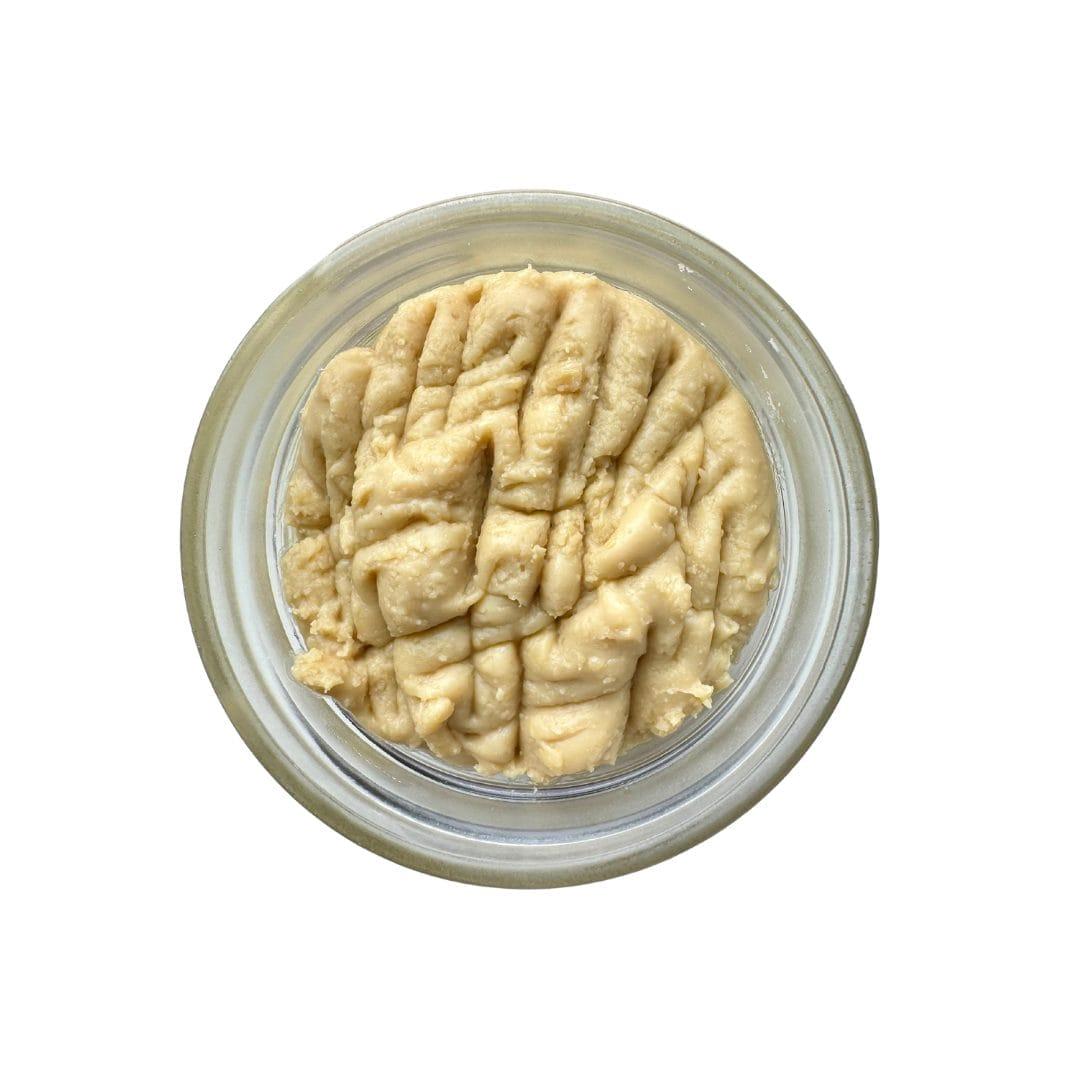
Like a coastline after a storm, the THCA market is revealing new contours as national prices retreat. What once looked like steady growth-sprouting from a patchwork of regional laws, laboratory innovations and investor appetite-has given way to a quieter landscape: fewer buyers, thinner margins and inventory that is testing the patience of producers and processors alike.
This article traces that shift, unpacking how falling national average prices are reshaping supply chains, business strategies and regional dynamics across the country. We’ll examine the market forces and regulatory currents contributing to the pullback, survey reactions from growers, retailers and analysts, and map out where pockets of resilience and risk still remain.
Understanding these changes matters beyond balance sheets. the contraction in THCA commerce touches licensing decisions, investment flows and the day-to-day calculus of operators who must decide whether to pivot, consolidate or hold steady. What follows is a measured look at why the market has tightened and what that could mean for the next chapter of an industry in flux.
Unpacking the Decline: Key Drivers Behind the Shrinking THCA Market
the recent contraction in market size isn’t a single-event story but a slow bleed driven by shifting economics and shifting tastes. As the national average price for THCA has dropped, producers are seeing margin compression that forces smaller operations to pause production or exit altogether. At the same time, larger firms are consolidating holdings, prioritizing scale and cost-efficiency over experimentation – a structural change that reduces both the diversity of products on shelves and the overall transaction volume across channels.
- Oversupply: A wave of cultivation expansion created more raw material then demand could absorb, pushing prices downward.
- Regulatory tightening: New labeling, testing, and licensing requirements have increased compliance costs and narrowed distribution.
- Product competition: Alternative cannabinoids and engineered derivatives are drawing curious consumers away from classic THCA offerings.
- Retail markdowning: To move inventory, retailers are slashing prices, amplifying the national average decline.
| Driver | Immediate impact | Outlook |
|---|---|---|
| Oversupply | High | Stabilizing as capacity is reduced |
| Regulation | Moderate | Continues to raise costs |
| Competition | High | Innovation-driven |
These forces together create an habitat where price is the visible symptom of deeper market realignment. Moving forward, expect winners to be those who can cut unit costs without sacrificing quality, navigate compliance efficiently, and offer differentiated experiences that justify premium pricing.Absent that, the market will likely tilt further toward consolidation and lower overall valuations.
Regulatory Pressure, Compliance Costs and Supply Chain Bottlenecks
Across jurisdictions, tougher rules and more exacting enforcement have quietly reshaped the THCA marketplace. What once was a patchwork of permissive regimes is increasingly a maze of testing mandates, labeling standards and licensing renewals. The cumulative effect is not just administrative headache – it is a market that rewards scale and punishes agility, accelerating consolidation even as the national average price slides downward.
for manny producers and processors, the math of staying compliant is stark. Smaller operators face a cascade of recurring expenses that erode margins and limit their ability to compete on price.
- laboratory testing: expensive, mandatory, and frequently enough backed up for weeks;
- Licensing & permit fees: upfront and renewal costs that scale with operations;
- Packaging & labeling upgrades: child-resistant, batch-traceable and costly to redesign;
- security & traceability systems: investment in hardware and software to meet regulators’ expectations.
Logistical chokepoints compound the pain. Backlogs at autonomous labs delay product releases, limited extraction and conversion capacity creates production queues, and regional transport restrictions raise delivery times and costs. The table below sketches common bottlenecks and their immediate market consequences.
| Bottleneck | Immediate Effect |
|---|---|
| Testing delays | Inventory pile-up, cashflow strain |
| Extraction capacity limits | Product shortages, price volatility |
| Transport restrictions | Regional price divergence |
when compliance expenses and supply chain friction meet falling retail prices, the result is predictable: marginal firms fold, buyers consolidate purchasing, and average prices are pushed down further by excess capacity and surplus inventory. Unless there is targeted regulatory alignment or fresh investment in testing and logistics, these pressures will continue shaping a leaner – and more centralized – THCA sector. Short-term relief is unlikely; medium-term change will depend on policy and infrastructure adjustments.
Tactical Responses for Growers and retailers to Protect Margins
As prices compress and demand narrows,the immediate imperative is to defend cash flow without eroding brand equity. Focus on trimming variable costs first – energy, labor scheduling, and feedstock inputs – while pausing non-essential capital projects. A tight grip on batch-level costing lets you spot underperforming skus quickly and avoid markdown cascades that damage perceived value.
practical levers to deploy now include:
- SKU rationalization: Consolidate similar offerings to reduce overhead and concentrate sales on higher-turn items.
- Dynamic pricing: Implement time- and channel-based pricing to capture pockets of higher willingness to pay.
- Yield optimization: Short-term agronomy tweaks-lighting schedules, nutrient timing, harvest windows-can raise usable product percentages.
- Inventory segmentation: Prioritize fresher, higher-potency lots for premium channels and reblend lower-potency material into compliant value SKUs.
Beyond operational cuts, invest a sliver of margin into differentiation. Co-pack partnerships and private-label deals with retailers shift some risk off the grower while preserving volume. Strengthen lab-to-shelf traceability and consumer-facing potency clarity so products can command a premium despite a contracting category.Where feasible, pivot a fraction of production toward value-added forms – tinctures, pre-filled cartridges, or curated bundles – that open new retail margins.
| Tactic | Expected Impact |
|---|---|
| SKU consolidation | Lower overhead,improved turns |
| Channel-specific pricing | Higher net realized price |
| Reblending strategy | Reduced waste,more salable volume |
Wrapping up
like a tide that pulls back to reveal the shape of the shoreline,the recent slide in national THCA prices has exposed a market in the middle of a quiet rebalancing.Some businesses will scale down or consolidate, others may chase differentiation through branding, product innovation, or new channels, while regulators, supply costs and shifting consumer preferences will help determine wich strategies stick. For observers, the contraction is less a dramatic collapse than a clearing away of excesses that could herald either a leaner industry or a longer-term realignment. In the weeks ahead, watch for changes in production patterns, distribution partnerships and policy signals – thay will offer the clearest clues about whether this is a short correction or the start of a new market normal.
