


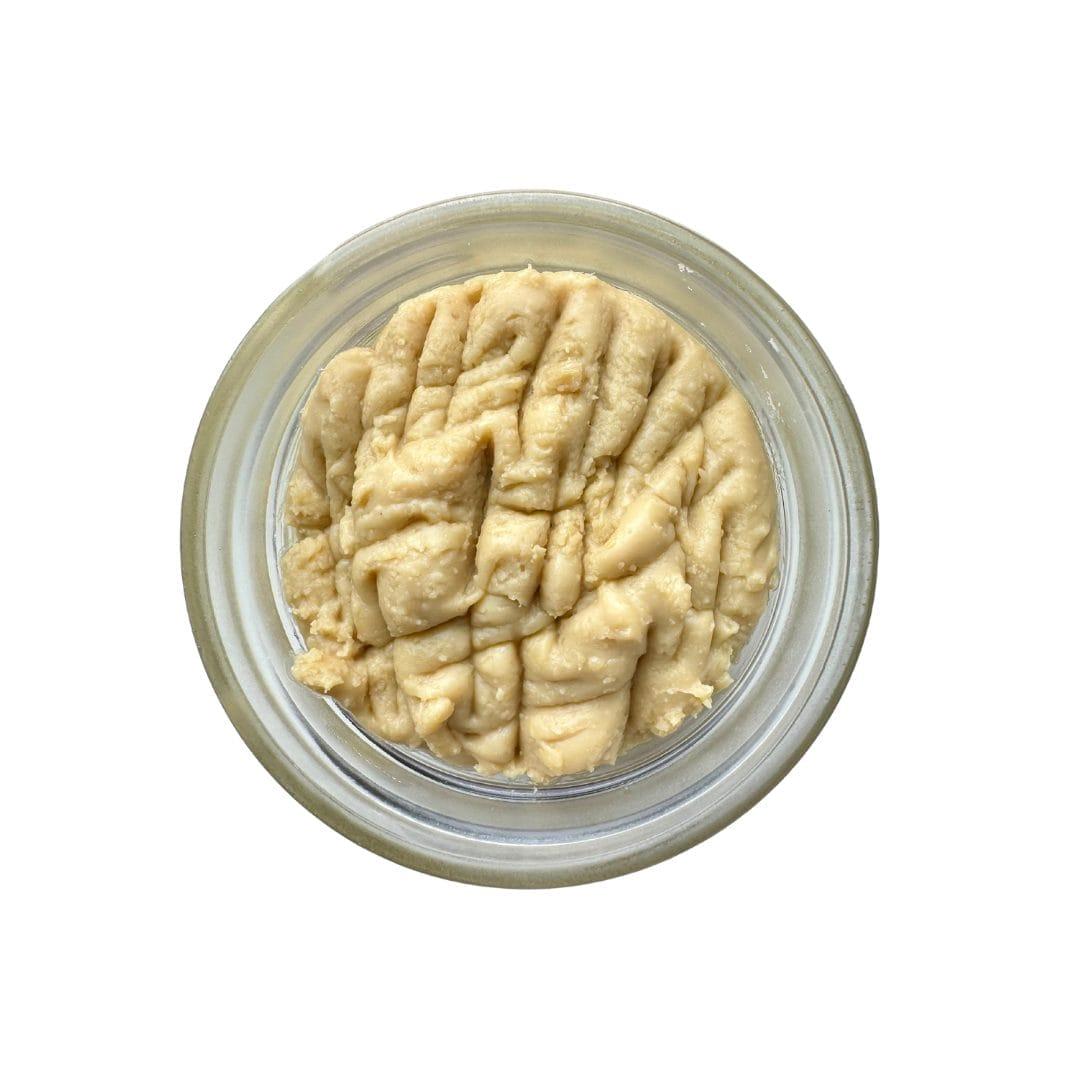
Like a molecule waiting for the right spark, THCA has moved from footnote to focal point in conversations about modern cannabinoids. Once chiefly of interest to chemists and cultivators, tetrahydrocannabinolic acid (THCA) is now surfacing in product labels, storefront displays, and consumer surveys – prompting questions about who is buying it, why, and how big the market might become.This analysis begins by unpacking what THCA is and how it differs from better-known cannabinoids, then shifts to the commercial realities shaping its adoption. We look at market size not as a single headline figure but as the intersection of sales data,product innovation,retail channels,and regulatory context. Consumer trends are examined through the lens of motivations (wellness, curiosity, performance), demographics, purchasing patterns, and the information gaps that still influence behavior.
Across jurisdictions, THCA’s trajectory is driven by a mix of scientific interest, entrepreneurial experimentation, and regulatory uncertainty – forces that together create opportunities and constraints for brands, retailers, and consumers. This article synthesizes available data, survey insights, and industry reporting to map the current landscape and identify the inflection points likely to determine future growth.The goal is practical clarity: to provide a measured, evidence-based view of the THCA market and the consumer dynamics behind it, so readers can better understand where the category stands today and what trends to watch tommorow.
Product Innovation Use Cases R&D Opportunities and differentiation Strategies
THCA can be positioned across multiple product formats, turning a niche cannabinoid into a multi-channel portfolio. Think beyond raw flower: precision microdosing formats, dissolvable strips, transdermal patches, and effervescent beverages each unlock different consumption occasions and consumer needs. These formats play to THCA’s strengths-non-psychoactive profiles at room temperature and potential for targeted functional benefits-while creating shelf differentiation in crowded cannabis aisles.
R&D shoudl focus on the technical hurdles that determine commercial success. Key laboratory and formulation opportunities include:
- Stability engineering to prevent unwanted decarboxylation during processing and storage.
- Targeted delivery systems (nanoemulsions, liposomes, transdermal matrices) to improve bioavailability and onset control.
- Analytical fingerprinting that pairs THCA with terpene and flavonoid profiles to create reproducible effects.
Brands can differentiate through obvious science and sensory design rather than price wars. Consider a three-pronged go-to-market play: clinical-backed claims for efficacy, aesthetic-led packaging that communicates lab-grade precision, and lasting traceability that ties each batch back to cultivation and cold-chain handling. A simple comparison table highlights strategic levers and the benefits they deliver to consumers and retail partners:
| Strategic Lever | Customer Benefit |
|---|---|
| Clinical validation | Trust and premium pricing |
| Cold-chain traceability | Freshness assurance and reduced degradation |
| Sensory-forward formulas | Repeat purchase through better experience |
Operationally, rapid prototyping and iterative in-market experiments will be decisive. Pilot with limited SKUs, measure KPIs such as onset time, perceived benefit, and shelf stability, and iterate. simple tactical moves-clear dosing guides, visible COAs, and co-branded clinical trials-can convert curious early adopters into loyal customers and create defensible market positions.
Final Thoughts
Like any emerging market, the THCA landscape is a map still being drawn - lines shifting as science, regulation and consumer tastes redraw the borders. What began as a niche conversation about a precursor molecule has widened into a marketplace shaped by product innovation, demographic nuance and an uneven patchwork of legal frameworks. The numbers tell a story of growth and opportunity; the trends reveal where that growth is headed – but neither tells the whole story on its own.
for businesses, policymakers and researchers, the task is one of careful navigation: align product progress with rigorous evidence, track evolving consumer preferences, and build compliance and transparency into the supply chain. For consumers, the prudent path is informed curiosity – seeking reliable information, understanding labeling and effects, and watching how legislation and research progress.
Ultimately, the THCA market’s future will be written by the interplay of data, discovery and regulation. As this analysis has shown,momentum exists,but so do unanswered questions.Keeping a steady watch on new studies, market indicators and policy shifts will be essential for anyone who wants to move from observation to meaningful participation in this unfolding chapter of the cannabinoid economy.
