


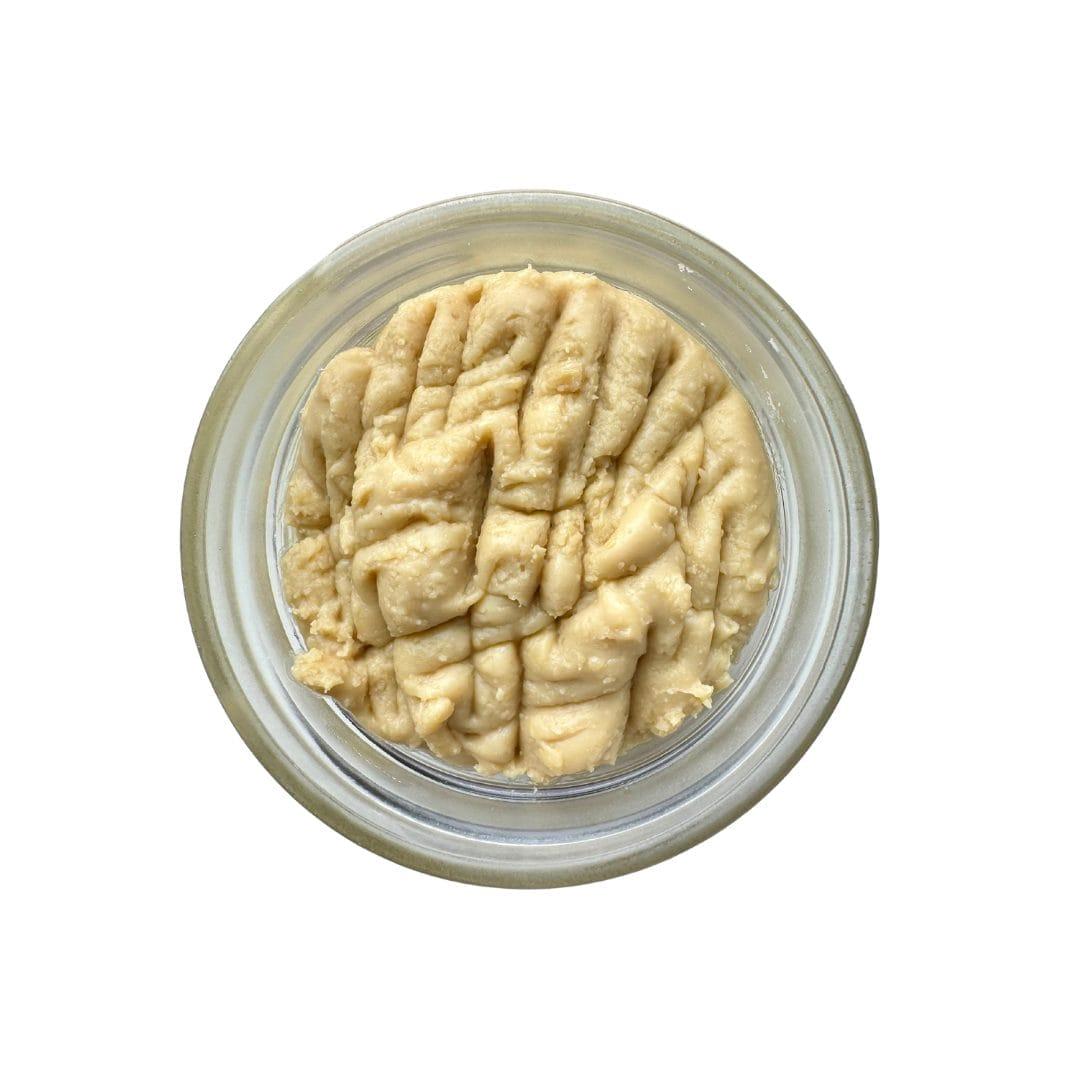
Like a faint tracer on a market map, THCA is emerging from the margins into view – an intriguing molecule at the intersection of chemistry, consumer curiosity, and a shifting regulatory landscape. Once mostly a footnote in botanical chemistry, tetrahydrocannabinolic acid (THCA) is now prompting companies, regulators, and buyers to reassess how cannabis-derived compounds are produced, marketed, and consumed across the United States.
This article takes a measured look at THCA market size by connecting hard numbers to human behavior: who is buying, why they’re buying, and how regional differences in laws, retail infrastructure, and cultural attitudes shape demand. We’ll examine the structural drivers behind growth - from product innovation and retail expansion to compliance frameworks – and unpack the demographic and consumption trends that distinguish coastal hubs from heartland and Southern markets.
Neutral and data-minded, the piece maps current estimates and trajectories while highlighting the risks and uncertainties that could alter the market’s course. Whether you’re an investor, policymaker, researcher, or industry participant, this overview will situate THCA within the broader U.S. cannabis ecosystem and point to the regional dynamics most likely to define its next chapter.
state Level Regulatory Landscape and Regional Demand Hotspots
Across the United States the regulatory picture looks less like a map and more like a collage: each jurisdiction layers different rules on cultivation, testing and retail that shape how THCA products are produced, labeled and sold. Some states treat THCA with the same scrutiny as delta-9 THC, others focus on total THC-equivalents, and a few leave gaps that create uncertainty for manufacturers and retailers. The result is uneven consumer access,variable pricing and a patchwork of compliance burdens that shift fast as states update rules.
Where demand concentrates often reflects more than legality – it mirrors culture, tourism flows and local retail sophistication. These pockets of consumer interest are predictable but dynamic:
- California: Innovation hub for novel THCA formulations and high-end concentrates.
- Colorado: Mature retail ecosystem with steady demand for both flower and extracts.
- Northeast (NY, MA): Rapidly expanding market focused on premium, regulated products.
- Sun Belt (FL, AZ): Strong wellness-driven demand, with growth constrained by regulatory ambiguity.
- Midwest: Stable, price-sensitive consumers and growing interest in compliant edibles.
| State | Regulatory Stance | THCA Clarity | Demand Signal |
|---|---|---|---|
| California | Progressive | Moderate | High |
| Colorado | Established | clear | High |
| New York | Evolving | Emerging | Growing |
| Florida | Conservative (med-heavy) | Unclear | Moderate |
for brands and distributors the takeaway is practical: anticipate regional nuance and build adaptability into your go-to-market playbook. Prioritize robust lab partnerships and state-specific labeling expertise, invest in market-level consumer insights, and keep an agile SKU strategy. Above all, make compliance a competitive asset – track rule changes, localize product assortments and test early and often to convert regulatory complexity into market advantage.
Product Formats Pricing Strategies and Distribution Paths Shaping Market Size
Product variety in the THCA market reads like a small-appliance catalog for modern consumption: vape pens, tinctures, raw flower, crystalline isolates, edibles and topicals each carry distinct sensory promises and regulatory footprints. Consumers chase different experiences-rapid onset from inhalables, measured dosing from tinctures, or therapeutic routines from topicals-so manufacturers are tailoring formulations and packaging to match those preferences. This format diversity expands addressable markets by converting casual curiosity into repeat usage across multiple consumption occasions.
pricing strategies act as the lubricants for market movement. Brands experiment with premium positioning, value skus, subscription discounts and bundle offers to nudge trial and loyalty.Common tactics include:
- Tiered pricing (budget, core, premium) to capture multiple segments
- Promotional cycles tied to holidays and product launches
- Subscription models that stabilize revenue and increase lifetime value
Distribution channels determine how quickly and widely those formats and prices translate into sales.Licensed dispensaries remain the primary gateway in most states,but D2C ecommerce,delivery services and retail collaborations (where legal) accelerate reach and convenience. Each path imposes different cost structures-compliance, testing and logistics-and thus shapes retail price points and margin strategies, influencing which products scale and which remain niche.
| Format | Typical Price Range | Common Channel |
|---|---|---|
| Vape Cartridge | $30-$60 | Dispensary / D2C |
| Tincture | $25-$80 | Online / Dispensary |
| raw Flower | $10-$25 per g | Dispensary |
| Edible | $5-$20 | Retail / Dispensary |
When formats, prices and distribution are aligned-simple dosing options at accessible prices through convenient channels-the market expands rapidly. Conversely, mismatches (premium pricing without education, or limited channel access for popular SKUs) create friction and cap growth. In practise, regional regulatory clarity, supply-chain efficiency and marketing sophistication determine whether these levers multiply market size or merely redistribute existing demand.
Wrapping Up
As the contours of the U.S. THCA market continue to take shape, the map is one of shifting hotspots, evolving consumer tastes and a regulatory horizon that will keep analysts on their toes. What began as niche curiosity is now a market defined by regional nuance - from early-adopter corridors to slowly warming mainstream pockets – each contributing to the overall size and trajectory in different ways. For anyone watching this space, the story will be written in data: sales, demographics, and policy moves that together will determine whether current momentum holds or redirects. Ultimately, the THCA market’s next chapter will reward steady observation over quick conclusions – a landscape best read with both numbers in hand and a readiness to adapt.
