


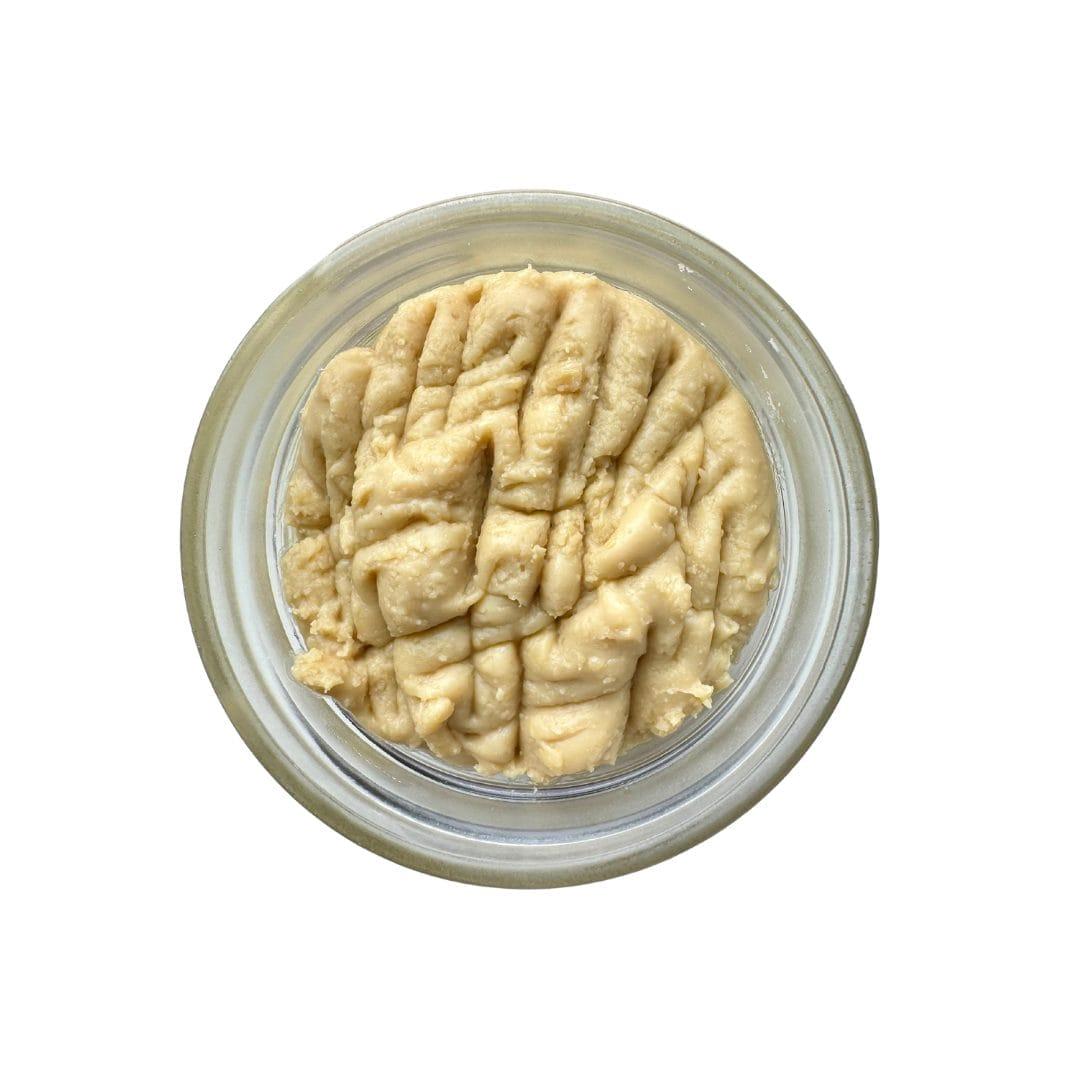
Like the first clear ring of a tree, 2024’s THCA market carries layers of recent growth, shifting regulation, and evolving consumer interest. Tetrahydrocannabinolic acid (THCA)-the non-intoxicating precursor to THC-has moved from a niche laboratory curiosity into a commodity tracked by investors, product developers, and policymakers.This article, “THCA Market Size & Value 2024: A Balanced Analysis,” maps that terrain with measured attention to both prospect and uncertainty.
We will examine the numbers behind the headlines-current market size and estimated value, near-term projections, and the forces pushing them: changing laws, retail innovation, clinical and wellness interest, and supply-chain dynamics. Simultaneously occurring,the analysis avoids hype,outlining key risks such as regulatory flux,testing and quality challenges,price pressure,and competition from other cannabinoids and substitutes.
Readers can expect a synthesis of quantitative data and qualitative context: what the market looks like today, how it might evolve through 2024, and which stakeholders stand to gain or lose. The goal is a clear, evidence‑rooted perspective-neither celebratory nor alarmist-so professionals and curious readers alike can make informed sense of the THCA market’s next chapter.
THCA Market Foundations and Precise Definitions for a Reliable Baseline
The market analysis begins with a crisp chemical and commercial definition: THCA (tetrahydrocannabinolic acid) is the acidic precursor to THC commonly found in raw cannabis and hemp biomass. It is non-intoxicating until decarboxylated, but its concentration drives both product classification and downstream yield expectations. For a stable baseline we separate product categories distinctly – raw biomass, high‑THCA flower, concentrates (crude and refined), laboratory‑grade isolates, and finished consumer goods – because each segment carries unique extraction efficiencies, price points, and regulatory pathways.
To produce a reliable size and value estimate we rely on standardized metrics and units. Key measures include production volume (kg THCA), retail value (USD), average price per gram, and effective THCA concentration (%) in sold products. Defining these precisely prevents double counting (for example, counting both crude extract weight and its refined isolate equivalent).Equally notable are temporal definitions: whether the market snapshot is calendar year, rolling 12‑month, or forecasted CAGR. Consistency here is what makes comparative studies meaningful.
- Assumptions to state upfront: lab recovery rates, typical THCA % in biomass, regional legal status.
- Primary data sources: licensed producer reports, lab test aggregates, import/export customs data, and retail scanner data.
- Quality controls: remove duplicate reporting, normalize units to pure THCA weight, and adjust for known waste/loss factors.
| Metric | Unit | Typical Range |
|---|---|---|
| Biomass THCA concentration | % w/w | 5-25% |
| Extraction yield (to crude) | % of THCA | 60-85% |
| Retail price (concentrate) | USD/g | $5-$20 |
When constructing a baseline, apply sensitivity bands around each input rather than a single point estimate. That creates a defensible range reflecting supply chain variability, regulatory risk, and testing discrepancies. By declaring each definition and assumption in the methodology, the baseline becomes a reusable benchmark: other analysts can replicate results, swap in updated inputs, and observe how estimates shift - a practice that converts raw numbers into actionable market intelligence.
Regional Regulatory Landscapes Risk Factors and Their Effect on Market Value
The global patchwork of laws governing THCA creates a market where value is as much a legal calculus as a commercial one. In regions where regulators have issued clear licensing pathways and testing standards, companies can scale with predictable margins and investors apply lower discount rates. Conversely,jurisdictions with ambiguous rules or aggressive enforcement produce compressed valuations as firms carry higher compliance overhead and the specter of sudden market exclusion. The result is a mosaic market: pockets of premium valuation surrounded by zones of deep risk and price volatility.
Key risk vectors emerge consistently across territories, shaping capital allocation and deal structures:
- Legal uncertainty: shifting statutes and retroactive rulings that erode revenue forecasts.
- Enforcement variability: uneven application of rules between local and national authorities.
- Market access barriers: restrictions on banking, advertising, and cross-border trade.
- Compliance burden: testing, labeling and tax regimes that inflate operating costs.
These factors act like invisible taxes on enterprise value-raising required returns and shortening investment horizons.
| Region | Dominant Regulatory Risk | Typical Valuation Impact |
|---|---|---|
| North america | Patchwork state rules; banking access issues | Moderate compression |
| European Union | Strict product standards; cross-border compliance | Mixed – selective premiums |
| Latin america | Emerging frameworks; enforcement inconsistency | High uncertainty |
| Asia-Pacific | Prohibitive regimes in many markets | Significant downside risk |
Investors and operators respond with a toolkit of mitigations that directly influence market value: strategic licensing,vertically integrated supply chains,robust legal monitoring,and insurance where available. Prioritizing jurisdictions with clear regulation and scalable compliance regimes can unlock premium valuations, while treating high-risk territories as opportunistic plays-or avoiding them altogether-keeps downside contained. In short, regulatory geography is one of the clearest determinants of THCA market worth; reading the map accurately changes how value is built and preserved.
In Summary
As the dust settles on the charts and forecasts, the 2024 picture of the THCA market reads like a map with both clear roads and uncharted terrain. Numbers point to meaningful expansion and rising interest, but regulatory shifts, evolving science, and supply-chain variables keep several routes uncertain. That duality – opportunity paired with caution – is the defining feature of this moment.
For producers, investors, and policy makers alike, the sensible posture is neither blind optimism nor reflexive retreat. Success will favor those who pair curiosity with rigor: tracking data, testing assumptions, and building flexible strategies that can adapt as rules, research, and consumer preferences change. Collaboration across the value chain and transparent reporting will sharpen signals and reduce the fog that currently surrounds the market.
Ultimately, the THCA market in 2024 resembles a coastline at dawn – familiar contours illuminated, but tides still shifting. Watch the currents, respect the unpredictability, and let measured analysis, not wishful thinking, chart the next moves.
