


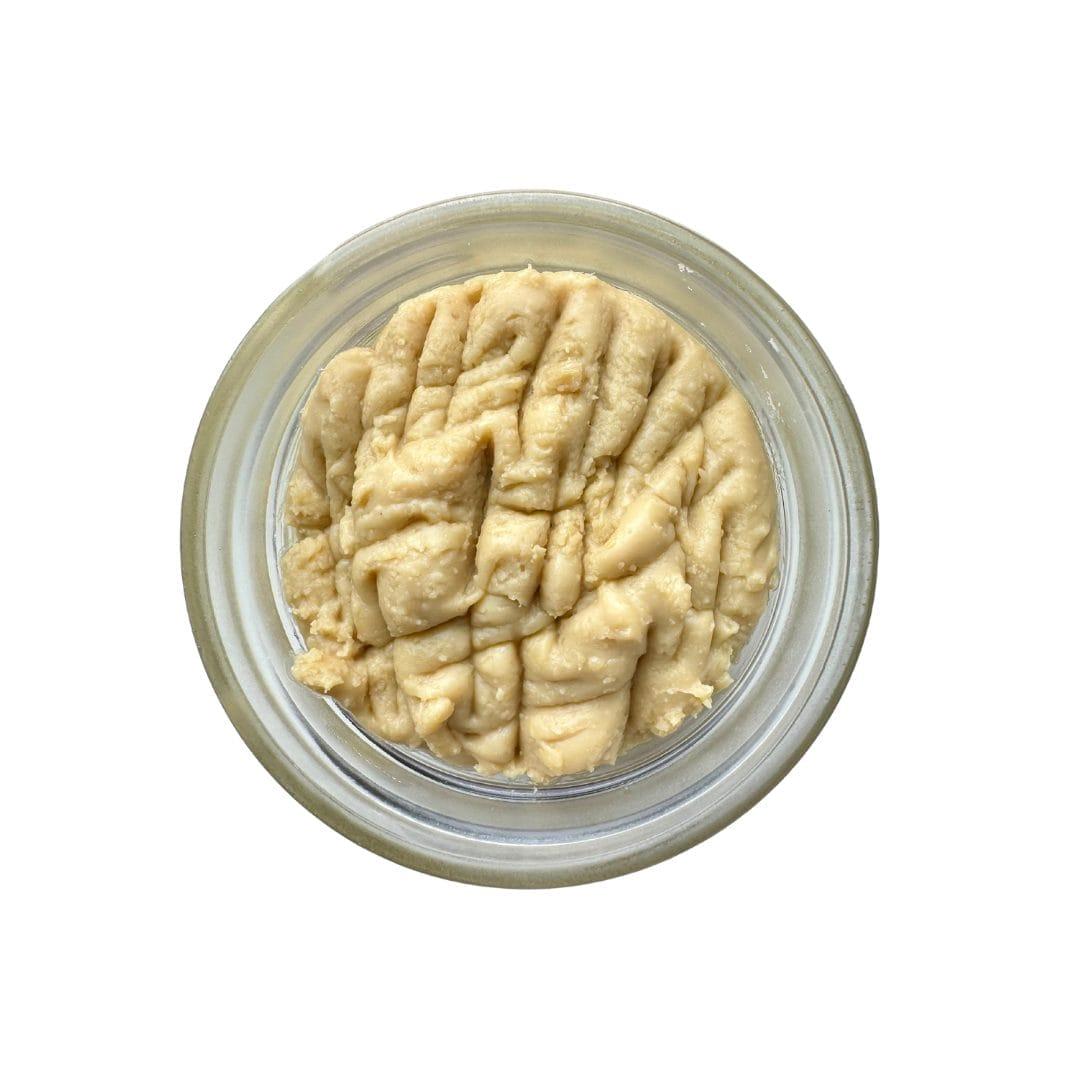
A hush has fallen over a market that until recently hummed with brisk activity: THCA, the non-intoxicating precursor to THC that has driven a new wave of cannabis products, is showing its own weather change. Prices that once climbed alongside consumer curiosity are now tracing a downward arc, and the effect isn’t uniform-some shelves feel the chill more than others.
This article follows those shifting contours by product type. From raw flower and cured biomass to concentrates, vape cartridges, and infused edibles, each category tells a different story of supply, demand, regulation and retail strategy. By mapping where the steepest drops occur and where resilience remains, we aim to give a clear-eyed view of how the THCA market is rebalancing-and what that means for producers, retailers and buyers navigating the new landscape.
Compliance Quality and Testing The Hidden Costs Reshaping Consumer Demand
As price curves tighten across THCA product lines,the unseen ledger of regulatory compliance and lab verification has become a decisive factor in market dynamics. Manufacturers who once competed solely on flavor or formulation now face line-item expenses-chain-of-custody tracking, third-party potency assays, and quarantine storage-that quietly squeeze margins and force retail markdowns. The result is a cascade: higher unit costs for producers, slimmer net prices for consumers, and an overall downward pressure on list prices as sellers try to remain competitive.
Hidden cost drivers commonly include:
- Repeated testing for potency and contaminants after borderline results
- Recall logistics and disposal fees for failed batches
- Extended lab turnaround leading to inventory aging and markdowns
- Recordkeeping & compliance audits required by state regulators
Each of these elements chips away at the apparent retail price,meaning a seemingly modest drop in shelf price can reflect significant upstream financial stress.
| Product Type | Avg.Compliance Cost / Unit | Typical Price Impact |
|---|---|---|
| Flower | $0.40 | -5% to -10% |
| Cartridges | $0.75 | -8% to -15% |
| Tinctures | $0.60 | -6% to -12% |
| Edibles | $0.90 | -10% to -18% |
Consumers respond in predictable and surprising ways: some migrate toward lower-cost formats, others prioritize products stamped with robust lab certificates, and a growing cohort opts for brands that transparently disclose testing workflows. Retailers, simultaneously occurring, are caught between promoting affordability and championing quality assurance. In practice this fosters consolidation-larger operators absorb compliance overhead more efficiently, while smaller artisans face hard choices between price competition and maintaining rigorous standards. The market’s current slide in nominal prices masks a deeper re-pricing of risk and trust.
Actionable Strategies for Growers Retailers and Investors tactical Steps to Stabilize Revenue and Prepare for Recovery
Stabilize cash flow now – prioritize actions that convert stock to cash and minimize burn. For growers, accelerate drying and processing of high-turn cultivars and offer bundled discounts to move excess trim and flower. retailers should run targeted promotions by price tier, tighten inventory turns, and renegotiate vendor terms. Investors can preserve capital by pausing new large commitments, shifting to staged funding, and insisting on performance milestones for portfolio operators.
- Growers: shorten harvest-to-sale cycles, lock micro-contracts with local processors, and offer farm-direct bundles to retailers.
- retailers: create time-limited “value windows” for slow-moving SKUs, simplify assortments, and increase cross-merchandising with accessories and edibles.
- Investors: require weekly cash reports, support revenue-based financing for proven operators, and prioritize working-capital loans over equity at depressed valuations.
Inventory and pricing require surgical attention. Use dynamic pricing on volatile SKUs, move to smaller pack sizes to preserve margin per unit, and clearly tier product quality. The short table below gives a quick playbook for typical product categories and suggested near-term price actions:
| Product Type | Near-Term Price Action | Time Window |
|---|---|---|
| Flower (Premium) | Modest discount, preserve brand narrative | 4-8 weeks |
| Extracts / THCA concentrates | Promote as value packs; incremental cross-sell | 6-12 weeks |
| Edibles / Pre-rolls | Bundle with accessories; flash promos | 2-6 weeks |
Prepare for recovery while defending today’s margins: streamline operations, lock flexible logistics contracts, and invest in data systems that track real-time demand and margin by SKU. Maintain disciplined communications with customers and regulators – openness reduces friction when markets normalize. Above all, balance short-term survival with optionality: keep a small reserve to re-invest quickly when prices stabilize, and use this downturn to secure better terms, talent, and market share for the rebound.
Insights and Conclusions
As the charts flatten and the numbers shift, the THCA market is reminding stakeholders that not all products move in lockstep. Concentrates, flower, and edibles each tell a different part of the same story – driven by supply cycles, consumer preferences, regulatory nudges and the relentless search for margin.Those differences matter: what looks like a softening in one category can coexist with resilience or even growth in another.
For producers, retailers and observers alike, the current slide is less a single event than a prompt to read the fine print behind the averages. Watch inventory levels, cost structures, and where innovation is creating new demand. for consumers, it’s a reminder that price signals reflect a complex marketplace that’s still finding its equilibrium.
In the months ahead, expect more recalibration as data accumulates and policies evolve. Keep an eye on product-level trends rather than headline moves – the next shift in the THCA landscape will likely come from a specific corner, not the market at large.
