


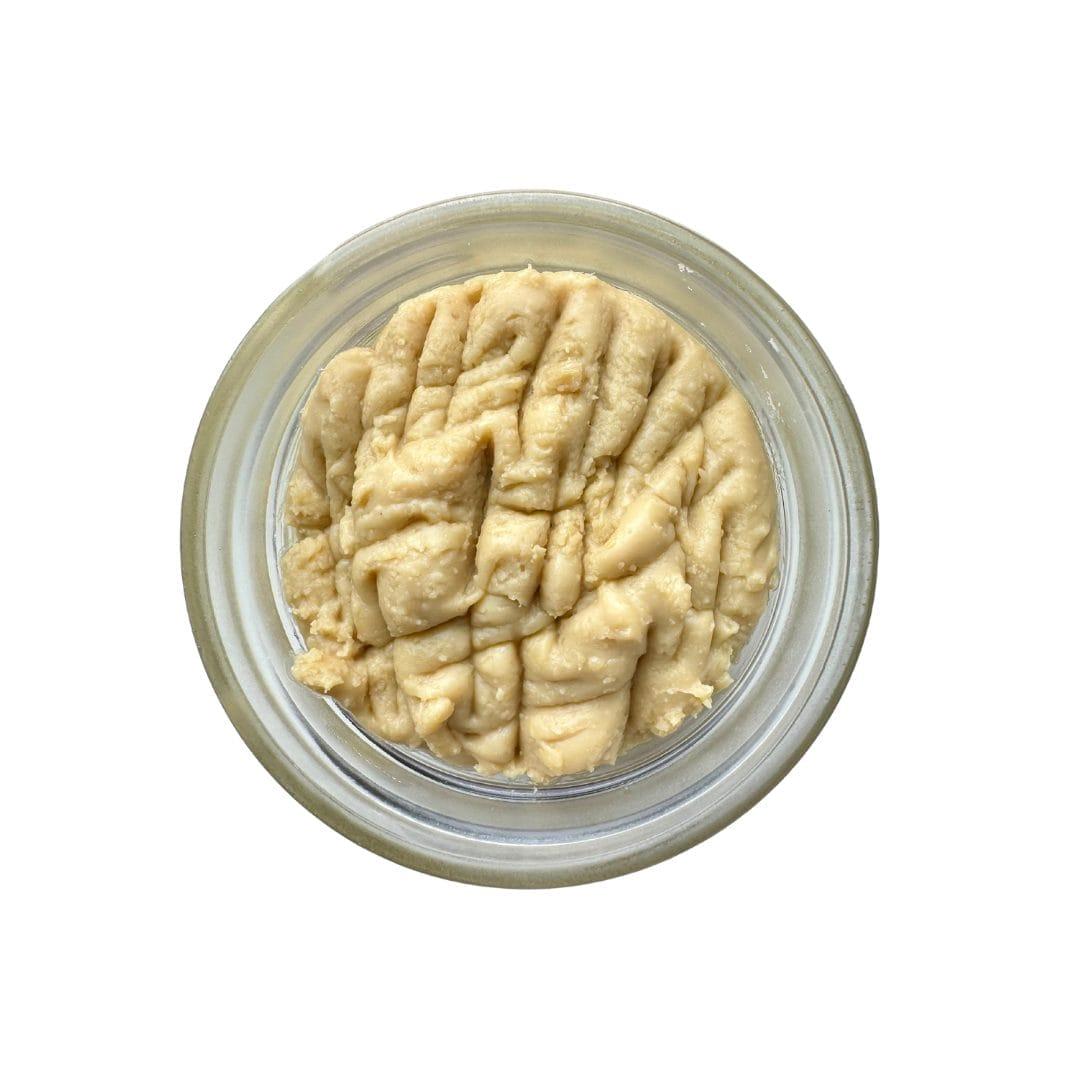
A market is like a coastline – constantly reshaped by tides of law,supply,and consumer taste. In 2024, the coastline of the U.S.THCA market is being redrawn again: shifting state regulations,evolving retail formats,and changing supply-chain dynamics are altering where and how value is realized. This article takes a clear-eyed look at those movements to explain what’s driving prices across the country and what to expect next.THCA, the non-intoxicating precursor to THC found in raw cannabis plant material and concentrates, has moved from niche curiosity to a distinct commercial segment. Its market now spans whole flower, fresh-frozen biomass, and specialized extracts, traded at both retail and wholesale levels. That diversity – coupled with uneven state policies, varying tax regimes, and advances in cultivation and extraction – produces a patchwork of prices that can puzzle buyers and investors alike.
Here, we map the drivers behind 2024 pricing trends: regional legal frameworks, supply imbalances, production costs, product form and potency, and retail-channel strategies. We’ll show where prices are rising, where they’re stabilizing, and wich indicators to watch if you’re tracking investment opportunities, managing cultivation operations, or simply trying to understand why a gram in one state costs markedly more than in another. The goal is to turn market noise into a useful, neutral guide to the current value landscape of THCA in the United States.
Risk Factors Compliance Costs and Tax Considerations That compress THCA Profitability
Margins in the THCA supply chain are under constant pressure from a mix of operational, legal, and fiscal headwinds. Regulatory ambiguity-federal,state and local-creates a premium on cash reserves and slows rollouts,while banking restrictions force many operators into higher-cost cash handling. Add in product testing failures,recalls and liability exposure,and what looks like a healthy sticker price can quickly erode into a razor-thin profit. Price volatility and patchwork regulation make forecasting yield and revenue a guessing game for producers and retailers alike.
Compliance isn’t just a line item; it’s a structural cost that scales with growth. Typical expense buckets include:
- labor-intensive testing and QC: routine third‑party assays, lot traceability and batch documentation.
- Licensing and local fees: application renewals, municipal permits and zoning compliance.
- Packaging & labeling: child-resistant packaging, labelling accuracy and country/state-specific warnings.
- Security & insurance: surveillance, transport safeguards and product liability premiums.
Taxes are another compressing force. Beyond headline tax rates, operators face complex rules around deductibility, excise structures and multi-jurisdiction filings. In some scenarios, businesses risk being treated under stricter tax regimes if product classifications change, which can remove common business deductions and inflate effective tax rates. Maintaining robust accounting and legal compliance teams is non-negotiable-audits and retroactive adjustments can wipe out months of profits.
| Cost Driver | Estimated Annual Impact |
|---|---|
| Testing & QA | $20K-$80K |
| Licensing & Fees | $5K-$50K |
| security & Insurance | $10K-$60K |
| Tax & compliance Overhead | 2-10% of revenue |
Future Outlook
As 2024 unfolds, THCA’s price story reads less like a single headline and more like a patchwork map – pockets of premium value, corridors of compression, and a few wildcards driven by policy and product innovation. The year’s trends underscore that pricing is not dictated by any one force but by the interplay of regulation, supply chains, consumer preferences, and testing/quality assurance that together shape what buyers ultimately pay.
For market participants and observers,the key signals to watch remain consistent: shifts in state-level legalization and taxation,production capacity and conversion technologies,the maturation of retail channels,and how quality and openness are communicated to consumers. Each of these factors can nudge prices up or down, and small changes can ripple quickly across regional markets.In short,THCA pricing in 2024 will reward close attention rather than broad assumptions. Read the data, track the policy moves, and expect the landscape to keep evolving – not in straight lines, but in patterns worth mapping.
