
Selling THCA online can feel like setting out on a voyage through fog: the market possibility is real and growing, but the map keeps changing. THCA (tetrahydrocannabinolic acid) sits at the intersection of hemp and cannabis law, analytical chemistry, platform policies and payment rules – a tangle of definitions and thresholds that determine whether a product is permitted, restricted or outright illegal in a given place. For e-commerce operators, the challenge is less about product demand and more about staying on the right side of a patchwork of statutes, shipping rules, and marketplace terms.
This guide walks that coastline wiht a practical, legally minded compass. You’ll find clear explanations of the legal landscape (federal and state distinctions, key lab-testing issues, and how decarboxylation can change a product’s legal status), plus the e-commerce-specific hurdles – platform compliance, age verification, payment processing, labeling, shipping restrictions and cross-border risks. It won’t replace counsel, but it will equip you to recognize red flags, structure sensible policies, and ask the right questions of regulators, labs and service providers.
Whether you’re launching a new storefront, vetting a product line, or updating your compliance playbook, this article aims to turn uncertainty into a manageable checklist so you can make informed decisions while navigating a rapidly evolving legal terrain.

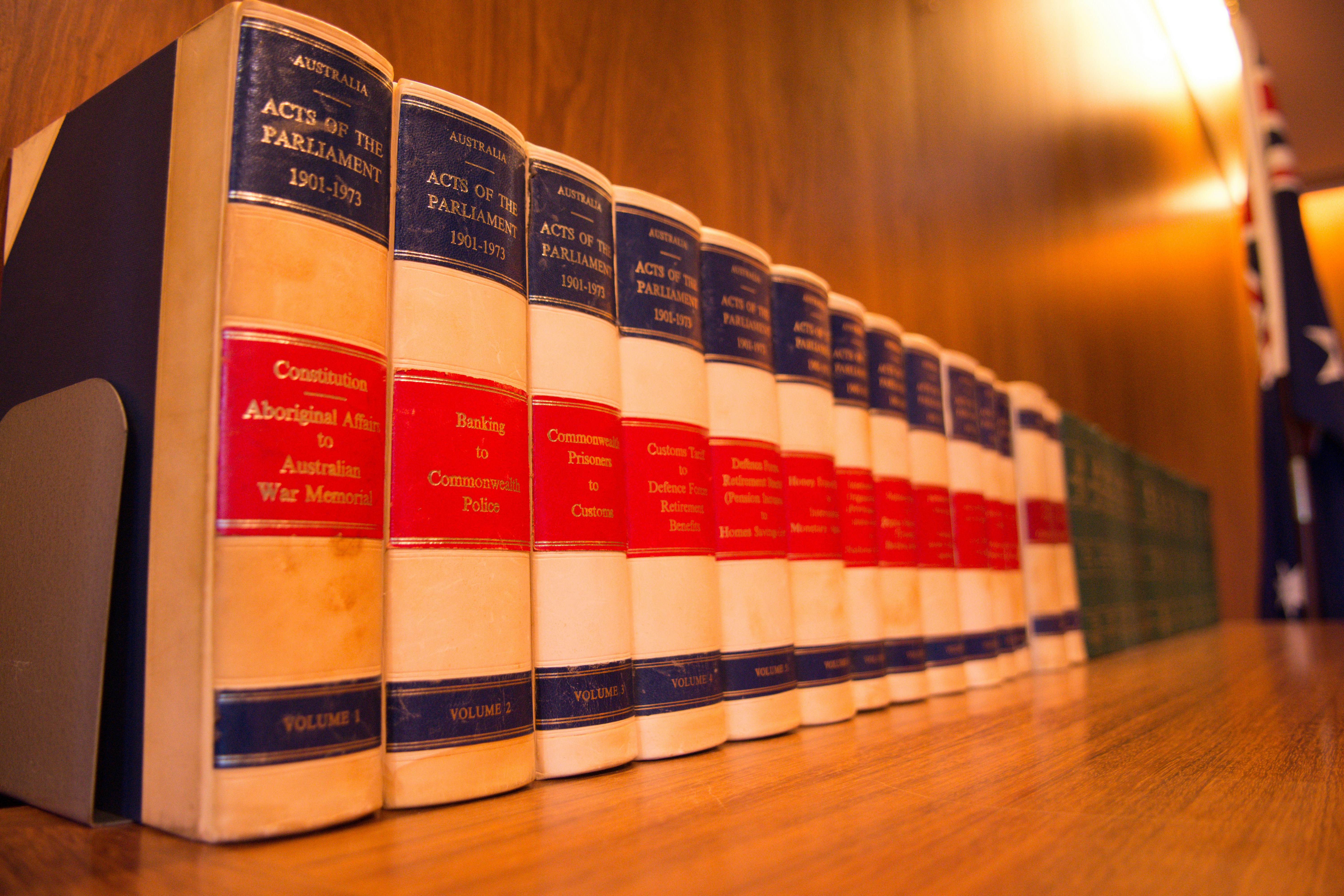
Understanding the Federal and State THCA Legal Landscape and Required Compliance Actions
At the federal level, the picture remains intentionally blurry: regulation is driven by how a product tests for delta-9 THC, not by THCA alone. The 2018 Farm Bill carved out hemp with less than 0.3% delta-9 THC (dry weight), but THCA’s ability to decarboxylate into delta-9 during heating, storage, or processing creates a legal fault line. Agencies such as the DEA, FDA and USDA have offered fragmented guidance over time, so online retailers must prioritize robust laboratory testing and conservative product formulation to avoid producing a federally illicit product.
State frameworks are even more diverse – some jurisdictions treat THCA as a controlled cannabinoid, others regulate it like hemp-derived CBD, and many sit somewhere in between. Common regulatory touchpoints to watch include product registration, advertising rules, and consumer safety laws. Typical state requirements you’ll encounter include:
- Third-party laboratory testing and a verifiable Certificate of Analysis (COA)
- Clear labeling with potency, ingredients, and origin
- Licensing or registration for manufacturers and retailers
- Age restrictions and marketing limitations
For e-commerce operators, compliance is as much operational as it is legal. Build systems that enforce a consistent compliance spine: automated age verification, IP and shipping geoblocking, explicit carrier approvals, and a centralized COA repository linked to every SKU.Prioritize these actions: documented chain-of-custody, routine stability testing to monitor decarboxylation risk, and explicit return/refund policies that reflect regulatory constraints. Also verify platform and payment processor policies – many will have stricter rules than state law.
| Regulatory Risk | Recommended Action | Priority |
|---|---|---|
| Low (compliant COA & <0.3% Δ9) | Maintain COA, batch tracking, and conservative shelf-life | High |
| Moderate (state restrictions unclear) | Geoblock sales, consult counsel, secure state permits | High |
| High (Δ9 over 0.3% or illicit classification) | Pull product, notify counsel, remediate inventory | Critical |
compliance is dynamic – maintain an internal audit cadence, subscribe to regulatory updates, and consider regular legal reviews. When in doubt, label conservatively and document every compliance step; this recordkeeping is ofen the difference between a defensible position and costly enforcement.Consulting regulatory counsel is strongly advised for tailored strategies that match your specific products and sales territories.


Building an Operational Compliance program: Recordkeeping, Policies, Training and How to Respond to Enforcement
Running a compliant THCA storefront starts with a single truth: meticulous documentation protects you. Build a central, searchable record system that ties every SKU to a batch number, certificate of analysis (COA), supplier invoice and customer transaction. Make these items the pillars of your archive: purchase records, coas, shipment logs, customer complaints and lab results. Keep an immutable audit trail (timestamped, access-controlled) so you can reconstruct any sale or recall in minutes rather than days.
Policies should be living,short and practical-think SOPs that staff actually read. Draft clear role-based responsibilities, a returns and recall protocol, and a privacy/data-retention policy aligned with applicable law. Train employees frequently with scenario-driven sessions: how to verify COAs, spot suspect inventory, handle customer inquiries about potency, and escalate potential violations. Essential training topics include:
- Product verification and COA interpretation
- Customer-facing compliance scripts
- Internal reporting and escalation pathways
Rotate managers through refresher drills every quarter and log attendance and assessment results.
Prepare for regulatory action with a compact playbook so responses are calm, fast and factual. Have pre-drafted communication templates (inspectors,customers,suppliers),an outside counsel relationship,and a remediation checklist. Use self-audits to catch issues early and document fixes. A simple table below helps set expectations for record retention and initial response windows:
| Record | retention | Initial Response |
|---|---|---|
| Sales & invoices | 5 years | 48 hours |
| Certificates of Analysis | 3 years | 24-48 hours |
| Customer complaints | 2 years | 24 hours |
When regulators show up, be factual, cooperative and concise-provide the documented trail, not explanations or excuses.Document every interaction, follow your remediation checklist, and use lessons learned to tighten policies and training. A compliance program that combines strong recordkeeping, clear policies and regular staff practice transforms regulatory risk from a constant threat into a predictable operational task.
Final Thoughts
As e-commerce merchants and entrepreneurs look to the THCA market, the path forward is less a straight road than a shifting coastline – attractive, promising, and subject to tides that change with new laws, rulings, and marketplace rules. The practical steps covered in this guide – clear labeling and testing, careful product descriptions, age and venue controls, compliant payment and shipping practices, and jurisdiction-aware policies – form the map and instruments that help you navigate those changes.
Compliance isn’t a one-time checklist but an ongoing practice: monitor regulatory updates, maintain obvious supply-chain documentation, and build relationships with counsel and trusted labs. Equally vital is treating customers with clarity and care – accurate claims and safety-minded practices protect both buyers and your business reputation.
If you combine diligence with adaptability, you can pursue the commercial opportunities THCA presents while managing legal and operational risk. Keep learning, document everything, and let compliance be the steady compass for growth in this evolving marketplace.