


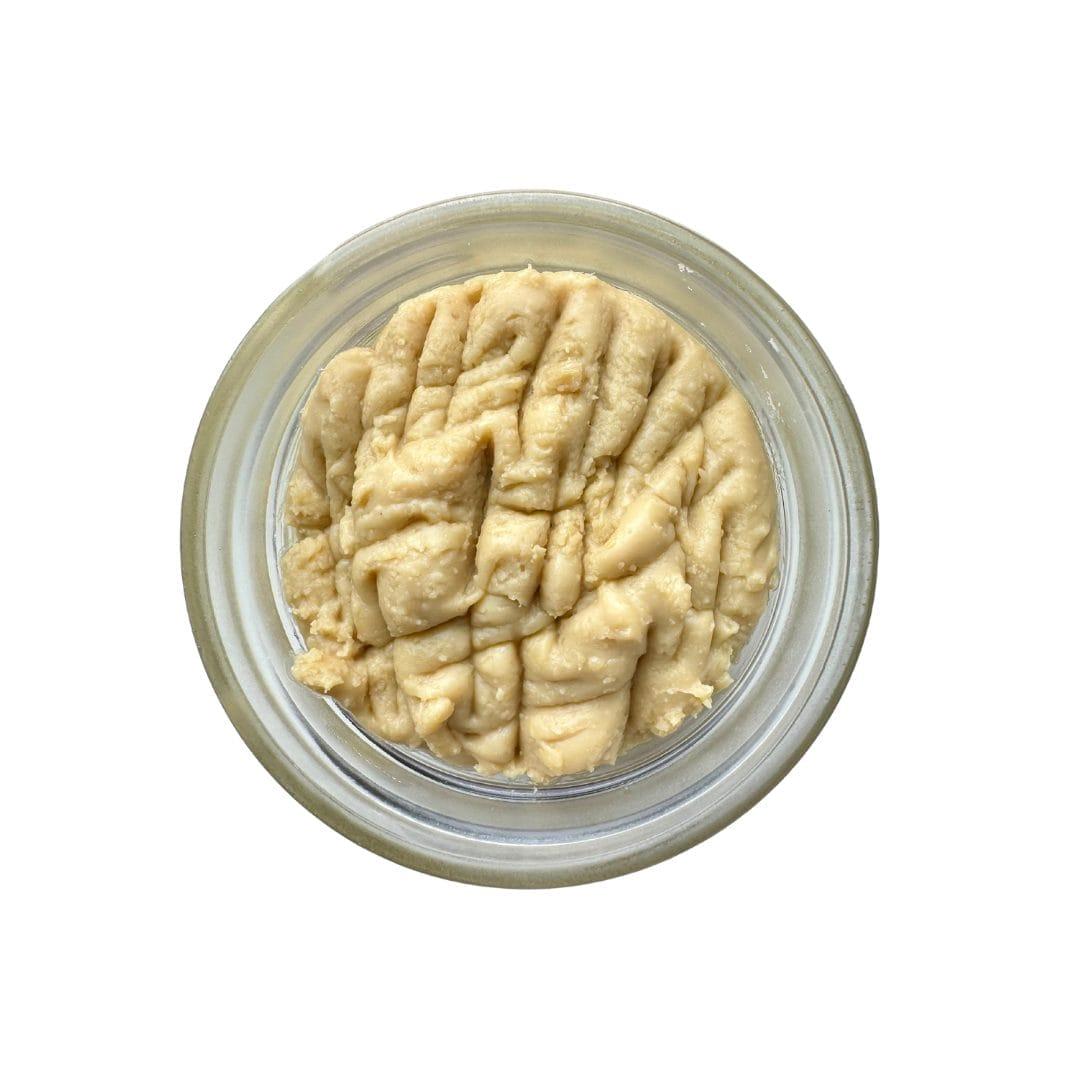
A single gram can tell the story of an entire market. In the evolving cannabis landscape, THCA - the non-intoxicating precursor to THC found in raw plant material and certain concentrates – has emerged as a distinct product category with its own pricing dynamics. Tracking per-gram prices offers a practical lens through which buyers, sellers, and analysts can read shifts in supply, demand, and regulation.
This article brings together recent sales data and market comparisons to map where THCA stands today: which product formats command premiums, how prices vary by region and retail channel, and what broader trends are reshaping value. By blending charts, comparative snapshots, and sales-velocity indicators, we aim to move beyond headline figures and reveal the forces that push per-gram prices up or down.Whether you’re a cultivator pricing a harvest, a retailer setting shelf tags, or a curious observer of the cannabis economy, this piece will give you the context and data signals needed to understand THCA’s market position – neutrally, clearly, and with an eye for the patterns that matter.
Actionable Pricing Playbook for Sellers with Compliance and Growth Recommendations
Build a repeatable pricing blueprint that treats THCA potency as a product attribute – not just a label. Start by calculating your cost floor (raw material, extraction, testing, packaging, and overhead), then layer on a potency-adjusted premium for higher-THCA lots. Don’t forget mandatory compliance expenses: state testing, tracking fees, and compliant packaging all shrink margin and must be baked into per-gram sticker prices rather than treated as an afterthought.
- Audit costs monthly – capture fixed vs.variable shifts and update your floor price.
- Benchmark competitively – monitor nearby markets and online listings for per-gram parity and opportunity gaps.
- Enforce compliance - require batch COAs, track lot IDs, and verify labels before public pricing.
- Cap promotions – use limited-time or quantity-bound discounts to protect long-term margin.
- Monitor velocity – re-price slow SKUs and create bundles to accelerate inventory without violating price integrity.
| Potency Band | Suggested /g | Target Margin | Inventory Turnover |
|---|---|---|---|
| Low (<20% THCA) | $6-$8 | 35%+ | 30-45 days |
| Mid (20-25% THCA) | $9-$12 | 40%+ | 20-35 days |
| High (>25% THCA) | $13-$18 | 45%+ | 10-25 days |
For enduring growth,pair pricing discipline with a compliance-first expansion plan: document chain-of-custody for every lot,partner with certified labs for expedited COAs,and deploy automated alerts for regulatory changes that affect allowable labels or advertising. Use tiered loyalty pricing and curated bundles to increase per-transaction value without eroding your base price, and set quarterly reviews to recalibrate prices to market swings and testing cost trends.
Future Outlook
As the numbers settle and charts quiet, the story of THCA per‑gram prices reads less like a single headline and more like a shifting landscape - hills of demand, valleys of regulation, and the steady rivers of supply that carve new paths each season. Sales data and market comparisons give us a map,but not a final destination: they reveal patterns and pressure points,while leaving room for sudden turns brought on by policy,innovation or changing consumer taste.
For growers, retailers and analysts alike, the practical takeaway is familiar and simple: price is never an island. Quality,legal status,taxation,distribution costs and local competition all weave together to determine what a gram will fetch today – and what it might tomorrow. Staying informed,comparing across markets,and treating data as an ongoing conversation rather than a one‑time verdict will be the clearest way to navigate uncertainty.
If the THCA market continues to evolve as quickly as it has, the numbers we track now will be the reference points for tomorrow’s decisions. Keep watching the sales data, question the assumptions behind every average, and let the comparisons guide cautious, data‑driven choices. In a fast‑moving market,curiosity and context remain the best tools for anyone trying to make sense of per‑gram prices.
