


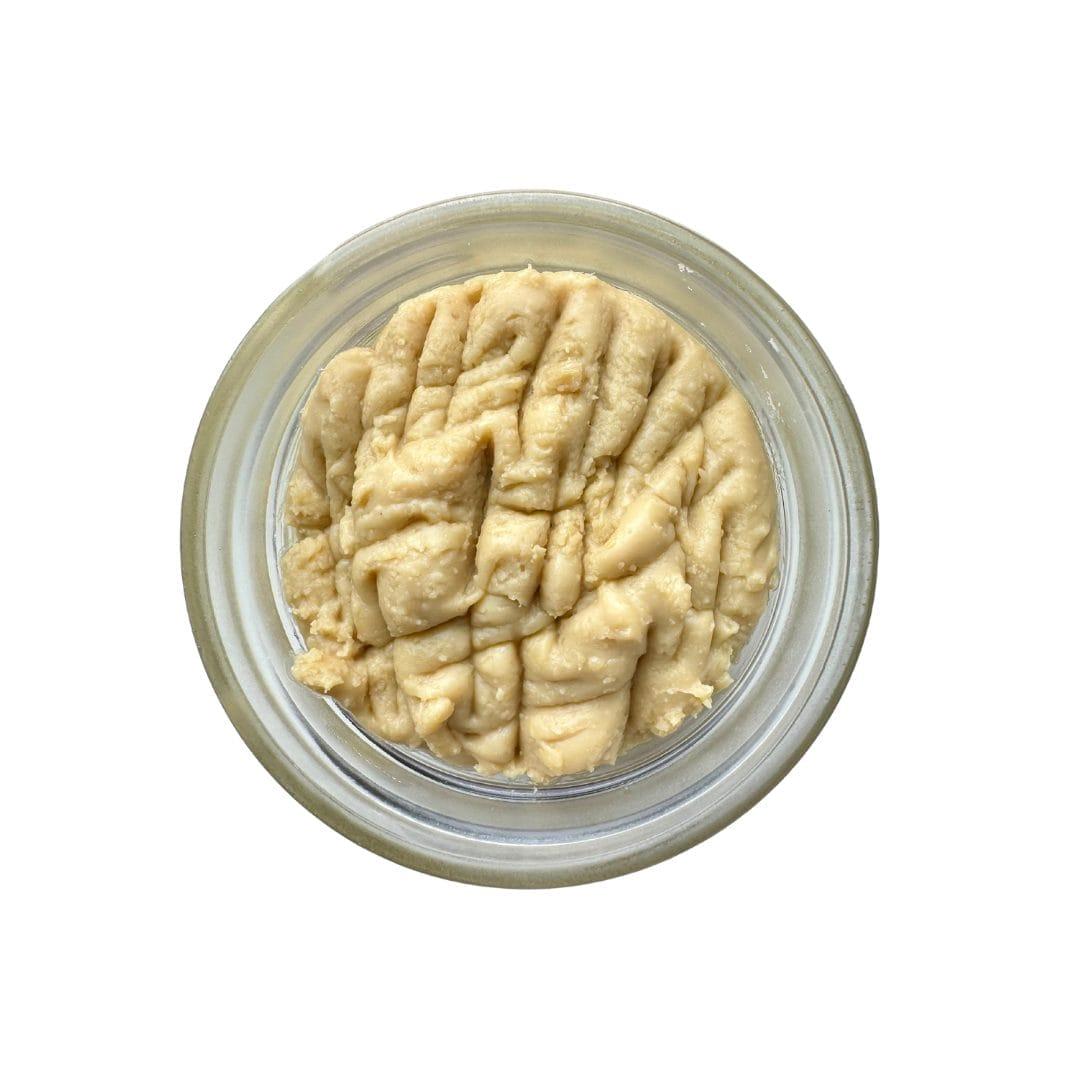
Think of the THCA market as a coastline constantly reshaped by tides of regulation, consumer taste and harvest cycles - each ebb and flow leaving a new price line in the sand. In 2024, that shoreline is being redrawn again: legalization momentum in some markets, supply adjustments after recent crop years, and evolving product preferences are all conspiring to move the per-gram value of THCA up or down depending on where you stand.
This article brings you the latest update on THCA price per gram in 2024 and a measured forecast of what may come next. We synthesize recent wholesale and retail price data, regional market differences, and the key drivers behind those numbers – from cultivation and processing costs to regulatory shifts and consumer demand for raw, high-potency or boutique offerings.
Expect clear ranges for current prices, an explanation of the variables that create volatility, and a cautiously framed outlook grounded in observable trends rather than hype. Whether you follow the market as a grower, buyer, investor or curious observer, this piece aims to give you a solid sense of where THCA stands today and the realistic scenarios that could shape prices through the rest of the year.
Market pulse for THCA per gram this year and regional price contrasts
The market is showing a steady, if uneven, heartbeat: gram-level THCA pricing has tightened in some corridors while softening in others as inventories, lab backlog and extraction yields re-balance. Premium craft offerings continue to command a markup, but commodity-grade THCA is increasingly price-competitive as larger processors scale. expect buyers to shop by quality band more than by raw cannabinoid numbers – packaging, certificates and supply reliability now carry tangible price weight.
| Region | Avg $/g | YTD Trend | Notes |
|---|---|---|---|
| west Coast | $7.20 | ↘︎ 4% | Strong supply; premium craft demand |
| Northeast | $8.50 | ↗︎ 6% | Higher compliance costs, limited local processing |
| Midwest | $6.10 | ↘︎ 2% | Growing manufacturing capacity |
| South | $9.00 | ↗︎ 8% | Regulatory constraints push prices up |
| Mountain | $5.80 | Stable | Small-batch producers, lower operating costs |
Several practical drivers explain these contrasts.Supply chain friction (licenses, lab turnarounds) raises regional premiums; economies of scale benefit states with large extraction hubs; and quality segmentation splits the market into discount and premium tiers. Buyers and resellers should watch three leading signals closely:
- Inventory days on hand – longer inventories usually presage price drops.
- Spot vs contract spreads – widening spreads indicate short-term volatility.
- Regulatory updates – new testing or transport rules can reprice whole regions.
Near-term outlook favors modest consolidation: prices in oversupplied regions will drift lower by single digits while constrained markets could see spikes if any compliance bottlenecks re-emerge. Strategically, blending regional procurement with targeted quality premiums offers the best cushion against swings – think dynamic sourcing rather than fixed single-region buys.
Pricing playbook for growers and retailers to optimize margins ensure compliance and attract buyers
Calibrating THCA pricing in 2024 means treating price-setting like both a science and a sales craft. Start by mapping your true cost per gram - from cultivation inputs to third‑party lab fees and compliant packaging – then build tiered margins that reflect SKU quality and buyer intent. when you layer in local regulatory costs and testing turnarounds, you get a durable floor price that protects profitability without surprising buyers at checkout.
Put practical levers into play so margins aren’t left to chance. Focus on operational fixes, customer-facing signals, and compliance-proofing:
- Baseline costing: allocate overhead to gram-level cost and update monthly.
- SKU tiering: create value, standard, and premium THCA lines with distinct pricing bands.
- Obvious testing: include lab results with every batch to reduce buyer friction.
- Compliance buffer: price in regulatory and packaging costs as a discrete line item.
- Volume & subscription discounts: encourage recurring orders while protecting unit margins.
Below is a simple forecasting snapshot to help align grower costs, suggested retail, and target margin by quarter. Use it as a template – plug in your actual input costs and local fees to generate realistic SRPs.
| Quarter | Avg THCA $/g (forecast) | Suggested Retail $/g | Target Margin |
|---|---|---|---|
| Q1 2024 | $4.50 | $6.50 | 35% |
| Q2 2024 | $4.20 | $6.20 | 34% |
| Q3 2024 | $4.80 | $7.00 | 32% |
| Q4 2024 | $5.10 | $7.40 | 31% |
make pricing dynamic, not static: automate alerts when input costs or lab fees shift, run periodic compliance audits, and lean into transparency-buyers reward clear, verifiable value. Partnerships between growers and retailers on shared inventory forecasting and lab scheduling will cut waste, stabilize supply, and preserve margins while keeping brand trust front and centre.
Wrapping Up
As 2024 unfolds, the story of THCA price per gram remains less a single headline than a shifting landscape - a map redrawn by regulators, growers, and consumers alike. Expect short-term ripples from policy moves and harvest cycles,and broader currents set by technology,investment and changing demand. Whatever direction prices take, the clearest strategy is steady attention: track reliable market data, note regional differences, and factor in risk rather than hope for certainty.
This update aimed to illuminate the forces at work and outline plausible paths forward, not to predict a single outcome. Revisit these numbers regularly – the snapshots will change, but understanding the drivers helps you read the signs.If you’d like,check back for our next update where we’ll parse fresh data and refine the forecast.
